




After Taking Care of School Buses for 46 Years, Mechanic to Retire
David Welborn learned maintenance skills growing up on a farm. He drove a school bus in high school and then went to work in the shop at Winston-Salem/Forsyth County Schools in North Carolina.
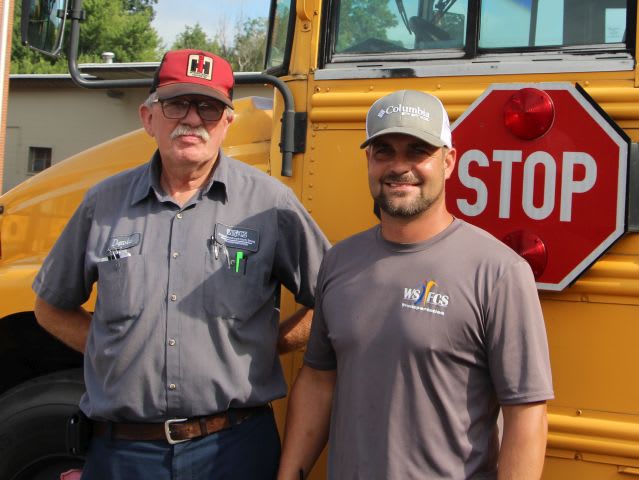
David Welborn (left) is retiring after nearly half a century with Winston-Salem/Forsyth County Schools in North Carolina. He is seen here with Anthony Avant, fleet maintenance supervisor.
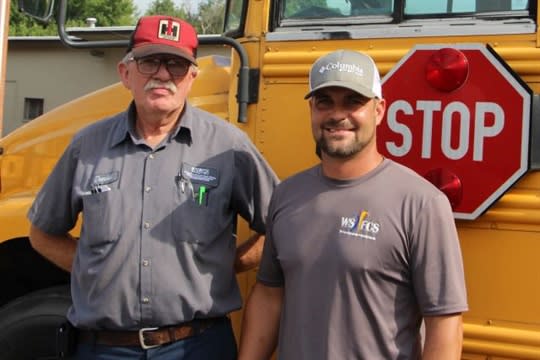
David Welborn (left) is retiring after nearly half a century with Winston-Salem/Forsyth County Schools in North Carolina. He is seen here with Anthony Avant, fleet maintenance supervisor.
WINSTON-SALEM, N.C. — After 46 years of working in maintenance for Winston-Salem/Forsyth County Schools, David Welborn knows school buses.
“When I first arrived here, mechanics told me that David could just walk by a bus and tell you what was wrong with it,” said Darrell Taylor, the school system’s executive director of transportation.
Welborn could have retired 16 years ago with 30 years of experience. Why did he choose to stick around?
“I like the people — I like the work,” he said. “It keeps me out of trouble.”
His wife, Linda, retired this spring. At the end of August, he plans to join her in retirement. He might even sleep in a bit.
Early riser
Welborn is a senior mechanic for Winston-Salem/Forsyth County Schools. During the regular school year, he oversees the school system’s Carver School Road shop in the morning. That means getting up at 3:15 a.m. so he can be in the shop by 4:30. Once he retires, he imagines getting up at 6 a.m. — no later, because he wants to poke around a bit on the family farm while the day is still mild.
Anthony Avant, fleet maintenance supervisor, said that Welborn is irreplaceable not only because he knows so much, but also because of who he is.
“I have never met anybody that cares more about his family and his work family,” Avant said, adding that Welborn is as dependable as they come. “If I ask him to do something, it’s as good as done.”
Farm skills
Welborn came by his skills as a mechanic naturally. Growing up on a farm in southeastern Forsyth County, he learned to work on tractors, hay balers, and other equipment.
“I picked it up,” he said.
Welborn was born with a double cleft palate — a double split in the roof of the mouth. He had his first operation when he was 6 weeks old. By the time he was in his early 20s, he had had eight operations. Recovery time from operations kept him out of school for some periods, and it took Welborn a couple of extra years to graduate from high school.
Student driver
Welborn went to high school in the days when North Carolina students could drive a school bus, and he did that for two years.
During summers, he worked finishing drywall at first. Then he was invited to work in the Winston-Salem/Forsyth County Schools garage in the summer before his senior year.
After he graduated from high school in 1971, he went back to work for the school system that summer. Outside of work, it was a rough summer. His grandmother died. One of his uncles died. His best friend was killed in a car accident.
That was also the summer that a court ordered Winston-Salem/Forsyth County Schools to achieve a higher degree of integration, which the school system did by rearranging districts and doing significantly more busing.
As Welborn remembers it, the school system went from 200 or so buses to 400 buses. With all the extra work that entailed, he was invited to stick around when the next school year started.
Fueling up
Welborn spent the next couple of years driving a fuel truck to fill the tanks of schools buses. He also changed tires and did anything else that needed doing.
After driving the fuel truck for two-and-a-half years, Welborn was promoted to mechanic. In the years that followed, he was sometimes based in one of the school system’s shops. He would work on transmissions, brakes, clutches — whatever needed attention.
During some periods, he would serve as a road mechanic, going out to work on school buses that had broken down.
Whatever Welborn was asked to do, he would do it, Avant said.
Added complexity
Through the years, Welborn has seen all sorts of changes in school buses. In the early days, you could tell right away what the problem was and could fix it with a wrench and other basic tools, he said.
Over time, everything became increasingly sophisticated. Although buses are definitely safer than they once were, Welborn said, there is much more that can break, and, without hooking the bus up to a computer, it may not be clear what the problem is.
Trying to figure it all out sometimes means laughing to keep from cussing, he added.
Taylor, the executive director of transportation, said that the department will be sorry to see Welborn go.
“The garage will never be the same with David gone,” Taylor said. “I wish David the very best on his retirement.”
Kim Underwood is communications specialist for Winston-Salem/Forsyth County Schools.
More Maintenance
The Essential Guide to School Bus Maintenance and Student Safety
Your district's buses carry students to school every day. This guide shows how predictive maintenance powered by fleet data helps keep buses reliable, drivers accountable and students safer from the first bell to the last stop.
Read More →
Kerry Brothers Grows Michigan School Bus Repair Network
The acquisition of Downriver Truck and Bus expands Kerry Brothers’ school bus maintenance footprint across southeast Michigan, adding repair capacity, diagnostic resources, and state inspection support.
Read More →
Noregon Introduces CAN Bus Diagnostic Tool, Expands JPRO Features
CAN Mentor and the latest JPRO update aim to simplify vehicle network diagnostics and improve repair efficiency for technicians of all experience levels.
Read More →
Cummins on Smarter, Simpler Engine Innovation
Cummins discusses its first-ever gasoline engine for school buses, EPA 2027, and why bus fleets still want durable, simpler internal combustion options.
Read More →
Report: 72% of Diesel School Buses Now Use Advanced Low-Emission Engines
New data shows advanced low-emission diesel technology continues expanding across school bus fleets, even as electric bus adoption gains momentum.
Read More →
Vampire Tools' CAIMAN 7.5-Inch Multi-Purpose Screw Extractor Long-Nose Pliers with Crimper
Vampire Tools introduced the VAMPLIERS Caiman 7.5-inch multi-purpose pliers, combining screw extraction, cutting, crimping, and gripping functions into a single tool designed for fleet maintenance professionals.
Read More →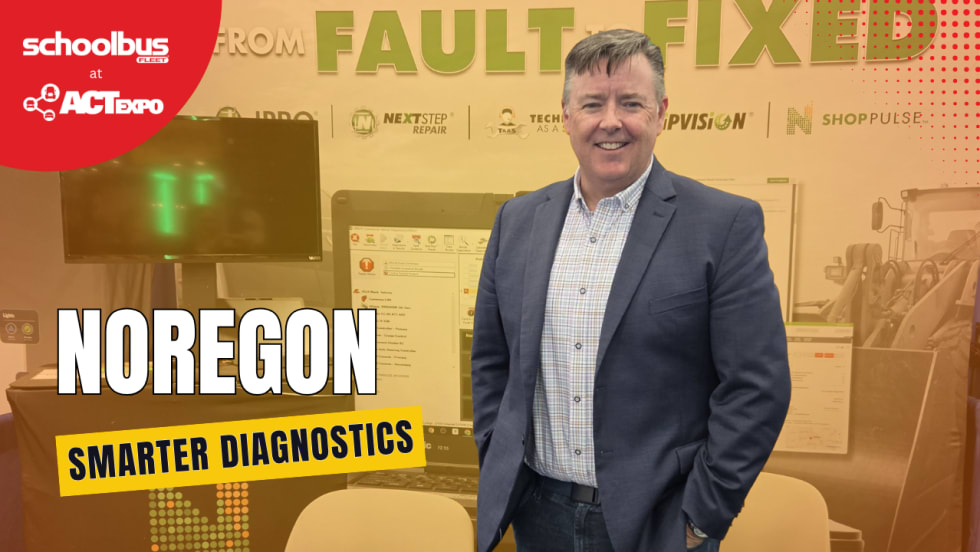
How Advanced Diagnostics Helps Bus Fleets Stay Ahead of Repairs
Chat with Noregon’s Kevin Smallhorn at ACT Expo about bus diagnostic tools, telematics integration, CNG maintenance support, and strategies to help reduce downtime and improve uptime.
Read More →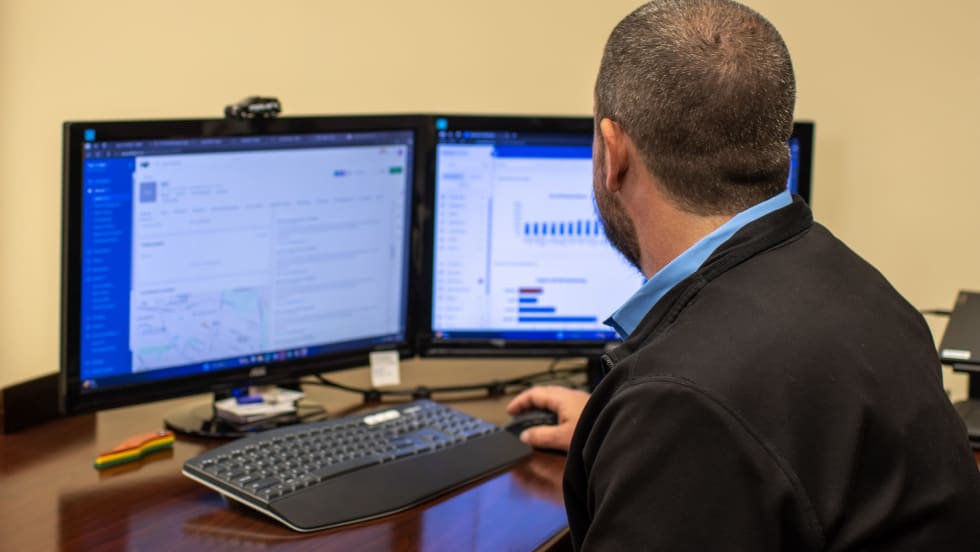
How School Bus Fleets are Getting Ahead of Breakdowns
Don’t let bus downtime wear you down. Here’s how bus operators are shifting from manual processes to AI-powered, data-driven maintenance systems for improved reliability and safety.
Read More →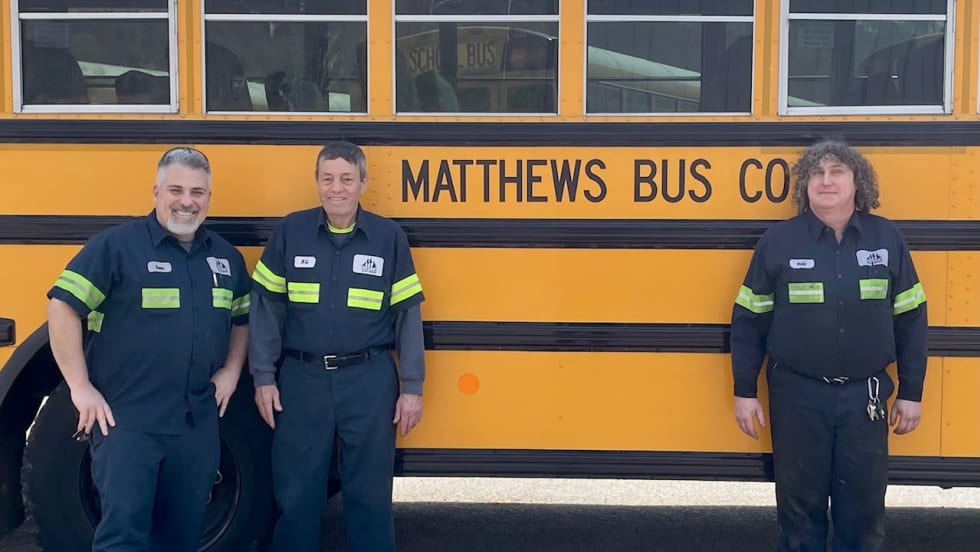
Pennsylvania School Bus Maintenance Team Praised for Dedication to Safety
Matthews Bus Company’s West Jefferson received a letter of commendation from the Pennsylvania State Police for their fleet inspections.
Read More →
From Chaos to Clarity: How School Districts Are Running Leaner Transportation Operations
Covering 38 routes on a Friday afternoon. Buses idling while routes overlap. Parents calling nonstop about late arrivals. Sound familiar? This whitepaper explores how district transportation leaders solved these exact problems — and what measurable results followed.
Read More →