





Related: 8 Tips for Cleaning School Buses in the Age of Coronavirus
New Zonar Inspection Reporting Feature Aims to Aid in School Bus Cleaning
The supplier’s EVIR solution has a new electronically verifiable configuration designed to help ensure that each step in the cleaning and disinfecting process takes place before and after every trip.
May 14, 2020
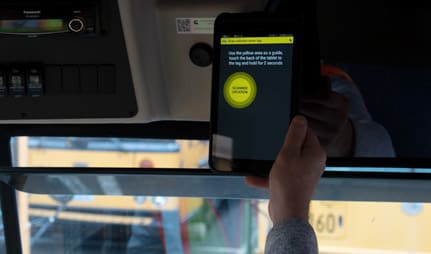
Zonar's EVIR solution has a new electronically verifiable configuration designed to help ensure that each step in the school bus cleaning and disinfecting process takes place before and after every trip. Photo courtesy Zonar
2 min to read
Zonar's EVIR solution has a new electronically verifiable configuration designed to help ensure that each step in the school bus cleaning and disinfecting process takes place before and after every trip. Photo courtesy Zonar
SEATTLE — Smart fleet technology supplier Zonar is introducing a new feature in its inspection reporting solution that will help ensure school bus sanitization.
The supplier’s Electronic Verified Inspection Reporting (EVIR) solution has a new electronically verifiable configuration that can help school transportation staff members ensure that each step of the cleaning and disinfecting of each school bus in a fleet takes place before and after every trip, according to a news release from Zonar.
The sanitization configuration is an extension of EVIR, which is already widely used for verifying the Federal Motor Carrier Safety Administration's mandated pre- and post-trip inspections have taken place, according to the supplier.
The new configuration for sanitization leverages EVIR, a verified, visual inspection system. With EVIR, drivers and cleaning crews can verify that key steps in the bus sanitization process have taken place by scanning an RFID or NFC tag at designated zones. Fleet managers can log in to the online portal to monitor completed, incomplete, or missing sanitization checks. They can also view the timestamped zones to see if any part of the cleaning was rushed or performed improperly.
"Parents know that children can get messy throughout the day but right now we are even more focused on ensuring cleanliness and good hygiene practices with our kids,” said H. Kevin Mest, senior vice president of passenger services at Zonar. “Our EVIR solution helps schools easily ensure and document the proper sanitization of school buses, adding an extra layer of protection to anyone who sets foot on the vehicle."
The EVIR configuration for sanitizing school buses can also help transportation directors and fleet managers:
• Streamline their bus sanitization process for improved productivity while prioritizing cleanliness of operations.
• Digitize the records of cleanings while eliminating a lengthy paper trail and make a major task easier to manage.
• Increase productivity by identifying the exact areas and sanitization requirements of each zone.
• Set and monitor expectations of how to sanitize areas and the duration of each task.
Additionally, Zonar is offering compliance and regulatory assistance and advice on COVID-19 via its COVID-19 resource page, as well as free webinars hosted by the company's Safety and Compliance team. This resource includes on-demand replays, Q & A sessions, and one-on-one advice for drivers, operators, transportation directors and managers, and businesses around compliance and regulations through an easy-to-use form.
More Safety

How to Build a Better School Bus Driver Training Program
Is it time to strengthen your driver training? Here’s how to pick the right talent and improve recruitment, retention, and safety. This video is brought to you by IC Bus.
Read More →
Recent School Bus Accidents Leave 2 Dead, 2 Injured
Four school bus crashes in Florida, Illinois, and Georgia highlight risks in transportation lots, at bus stops, and during student loading and unloading.
Read More →
Sponsored•September 8, 2026
When Every Second Matters, Clarity Keeps Routes Moving
From routine delays to urgent incidents, strong communication practices help drivers, dispatchers, schools, and families respond with confidence.
Read More →

What Happens When a School Bus Catches Fire — and What Can Help
School bus fires are rare but can be devastating. Learn how advances in fire suppression and asset protection help fleets detect fires earlier, reduce damage, and improve safety.
Read More →
Geotab Launches Tool to Help Fleets Investigate Road Incidents
Geotab Investigations combines telematics data, video, documents, and other evidence to help fleets reconstruct incidents, resolve claims, and determine what happened.
Read More →
Texas Sixth Grader Wins 2026 National School Bus Safety Poster Contest
Sai Darshana Yekolu of Moseley Middle School in Prosper, Texas, was named the newest winner for her artwork, bringing the theme of “Safe Rides, Everyday Heroes” to life.
Read More →
Sponsored•August 27, 2026
Doing More With Less: How Transportation Directors Can Prioritize Safety Amid Budget Uncertainty
With diesel prices soaring and nearly one-third of transportation directors expecting budget cuts, maintaining student safety has never been more challenging. Download this guide to learn how leading districts are prioritizing risk, funding critical safety technology, and building stronger budget cases with data.
Read More →
Walton County Schools Adds Gatekeeper Stop-Arm Enforcement System
The Florida district will deploy Gatekeeper’s updated Student Protector technology, which now incorporates AI to improve video evidence.
Read More →
How To Build a More Secure School Bus Yard During and After Hours
As thefts and overnight security threats continue, school transportation leaders are combining stronger operational practices with AI-enabled surveillance to better protect buses, facilities, and staff.
Read More →
FMCSA Names New Chief Safety Officer: What School Bus Operators Should Know
Steve Dowling is set to lead the federal agency's efforts to advance commercial motor vehicle safety and reduce crashes, fatalities, and injuries on the nation's roadways.
Read More →