




School Districts Take Precautions Against Coronavirus
From school closures to disinfecting school buses and buildings, districts are working to protect their students and staff against COVID-19. State departments of education have also shared guidance on prevention and response.
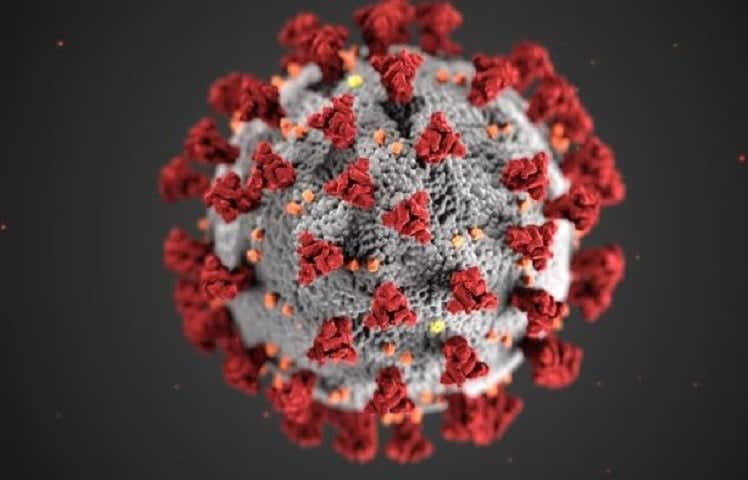
From school closures to disinfecting school buses and buildings, districts are working to protect their students and staff against COVID-19. Photo courtesy Centers for Disease Control and Prevention

Across the U.S., school districts are taking precautionary measures, including closing schools and disinfecting school buses, to protect their students and staff against the Coronavirus, also known as COVID-19.
In Washington state, where the first U.S. case of Coronavirus was reported, Northshore School District 34 in Bothell announced on Wednesday that it would be transitioning to online classes for students following district-wide school closures, according a statement from Michelle Reid, the district’s superintendent. The closures, which could last up to 14 days, were instituted after several school sites reported direct and indirect exposure to COVID-19, Reid added.
During the online instruction period, Northshore School District 34 will reportedly use some of its school buses to deliver meals to students, who rely on free or reduced lunch, at 22 different school sites, according to King 5 News.
Elk Grove (Calif.) Unified School District (USD) also announced that it was closing its schools after learning that one of the district’s families tested positive for the Coronavirus, according to a news release from the district. As of Saturday, Elk Grove USD said that none of its students or staff members have contracted the virus, but schools will remain closed until March 13.
Meanwhile, school districts in Colorado, Florida, and Texas are working to disinfect their school buses and buildings to ensure the safety of students.
Colorado Springs School District 11 recently switched to a new cleaning disinfectant to combat both Norovirus and Coronavirus, according to a statement from Dr. Michael J. Thomas, the district’s superintendent. Crews are also working to deploy an ozone disinfectant and the transportation department is wiping down school buses twice per week, he added.
In Tampa, Fla., Hillsborough County Public Schools is installing hand sanitizer dispensers on all of its school buses, according to the district’s website. The district is also arranging plans for vendors to deep clean classrooms or entire schools if necessary.
At East Central Independent School District (ISD) in Texas, a local company called GermBlast is spraying down the district’s buildings and buses, KSAT reports. The company’s CEO, Rodney Madsen, told the news source that GermBlast uses a hydroperoxide chemical or an isopropyl, which is an alcohol-type chemical, to clean buildings and buses, depending on the environment.
East Central ISD plans to increase its cleaning visits over the next few months, according to KSAT.
Neighboring district Austin Independent School District has also implemented a plan to fog, spray, and mist an anti-microbial cleaner on its entire bus fleet, KXAN reports. The district sent a memo to its transportation staff on March 3 informing them about the new cleaning procedure and the department’s goal to “make our working environment as clean as possible,” according to the news source. The disinfection process is expected to begin this week.
Additionally, state departments of education and public instruction have shared information with school districts about the latest developments with the Coronavirus, and recommended prevention measures, and guidance for schools that have Coronavirus identified in their community. The departments have also distributed talking points and FAQs from state departments of health, senior services, and family services as well as the Centers for Disease Control and Prevention (CDC).
Key prevention tips for the general public include copious handwashing, avoid touching your face, cough or sneeze into the crook of your arm or into a tissue, stay home if you are sick, cleaning frequently-touched surfaces, and avoiding shaking hands and close contact with people who are sick.
In addition, for schools that do not have identified cases of Coronavirus in their community, the CDC recommends these measures on their website:
• Updating emergency operations plans to include the previously mentioned strategies and develop information-sharing systems with partners.
• Alerting local health officials about significant increases in student and staff absenteeism, particularly if absences appear due to respiratory illnesses.
• Identifying critical job functions and positions, and plan for alternative coverage by cross-training staff.
• Establishing procedures to ensure students and staff who become sick at school or come to school sick are sent home as soon as possible.
• Keeping sick students and staff separate from well students and staff until they can leave.
• Creating communication plans for use in the school community and include strategies for sharing information with staff, students, and their families.
For schools with identified cases of Coronavirus in their community, the CDC also advises:
• Determining if, when, and for how long schools may need to be dismissed and coordinating with local health officials to make dismissal and large event cancellation decisions.
• Working with local health officials to communicate a student or staff member’s possible exposure to COVID-19 and seeking guidance from those officials on potential temporary school dismissals and additional steps the school community needs to take.
• Ensuring continuity of education and other school services by implementing e-learning plans, devising safe strategies for distributing food to students, and coming up with alternatives for providing necessary services for children with special health care needs.
More Safety
School Bus Laws to Watch: New York Delays EV Mandate
Plus, federal lawmakers seek new funding for school bus safety as states weigh stop-arm enforcement, disability protections, and education spending.
Read More →
The Essential Handbook for Safe Alternative Student Transportation
Your district's "exception riders" — students with IEPs, those experiencing homelessness, foster care youth — deserve more than a middleman solution. This handbook breaks down exactly what to look for in a supplemental transportation partner: from driver vetting and regulatory compliance to proactive safety technology. Because getting a ride isn't the same as getting a safe one.
Read More →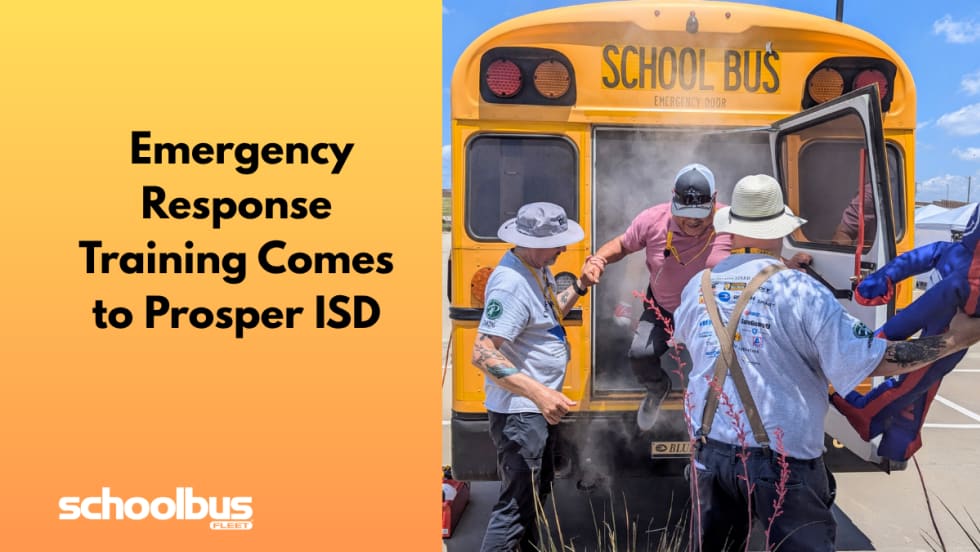
Operation STEER Brings Emergency Response Training to North Texas
Prosper ISD hosted the third annual training for transportation professionals across 67 districts to learn how to respond to emergencies, such as rollovers and evacuations, and proper use of safety equipment.
Read More →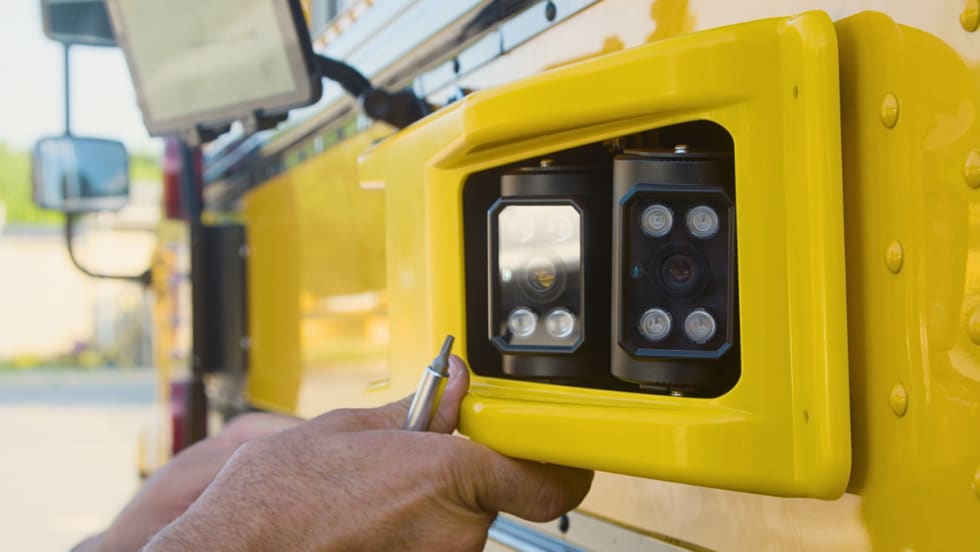
Florida District Relaunches BusPatrol School Bus Camera Program With New Safeguards
After being suspended over due process concerns, Miami-Dade schools and law enforcement are restarting the AI-powered stop-arm camera program with new oversight.
Read More →
School Bus Laws To Watch: Seat Belt Bills, Funding Fights & EV Changes
From national bills on seat belts and driver oversight to driver awareness campaigns referencing “Finn’s Rule” and ongoing transportation funding debates in Alaska, here’s the latest in school bus legislation across the U.S.
Read More →
9-Year-Old Boy Killed by School Bus at Busy Brooklyn Intersection
A Williamsburg community is mourning after a child was fatally struck by a private yeshiva bus, prompting calls for urgent safety improvements at the high-traffic crossing.
Read More →
Does Reliable School Transportation Boost Attendance? EverDriven’s Data Says Yes
The new data shows 99.99% incident-free trips and strong on-time performance, reinforcing how dependable transportation, especially for vulnerable student populations, can help districts combat chronic absenteeism.
Read More →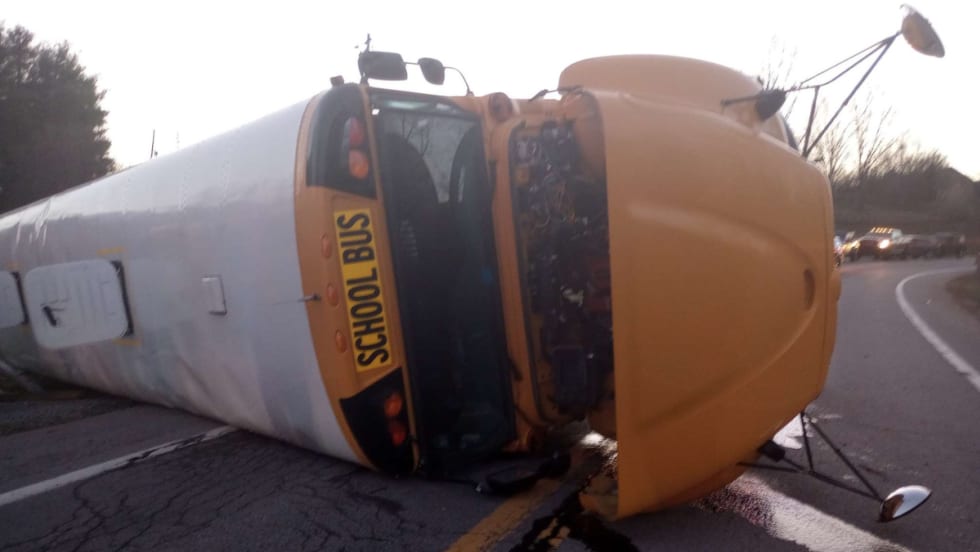
NTSB Calls for Alcohol Impairment Systems, Seat Belts After W.V. Crash Investigation
The federal agency's report asks NHTSA to require all new school buses to be equipped with vehicle-integrated alcohol detection systems and passenger lap-shoulder belts.
Read More →
2026 State of Student Transportation Report
Student transportation teams are being asked to do more with less, facing driver shortages, rising costs, and increasing safety expectations. This report uncovers how fleets are adapting, where technology is making the biggest impact, and why student ridership tracking is emerging as a top priority. Download the report to explore the key trends shaping 2026 and what they mean for your operation.
Read More →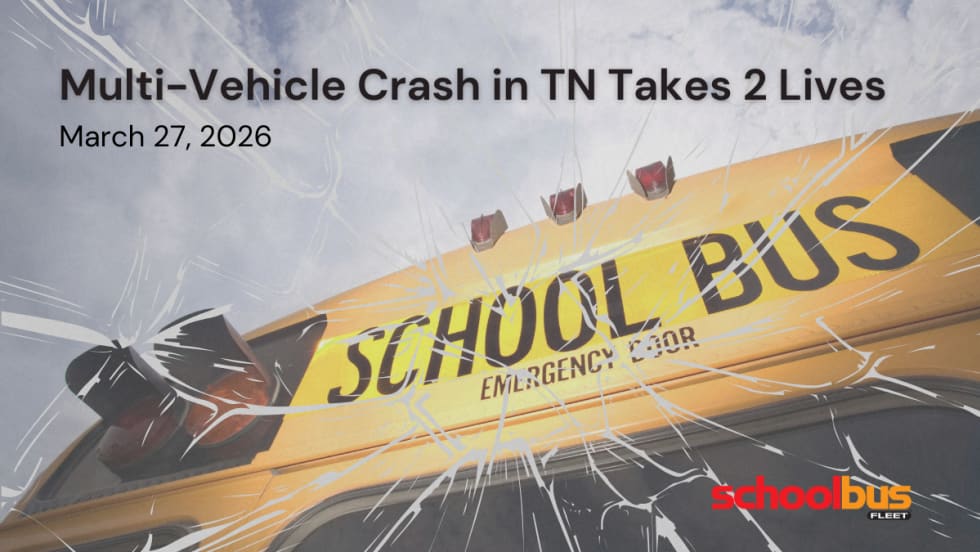
2 Students Die in Tennessee School Bus Crash with Dump Truck
A Carroll County accident claimed the lives of two students and injured over a dozen others on a March 27 field trip for eighth graders at Clarksville-Montgomery County. A preliminary report adds new information to the story.
Read More →