


Tennessee Launches School Bus Seat Belt Funding Program
A state budget amendment provides $3 million in nonrecurring funds to school districts to pay the extra costs associated with buying buses equipped with lap-shoulder seat belts.

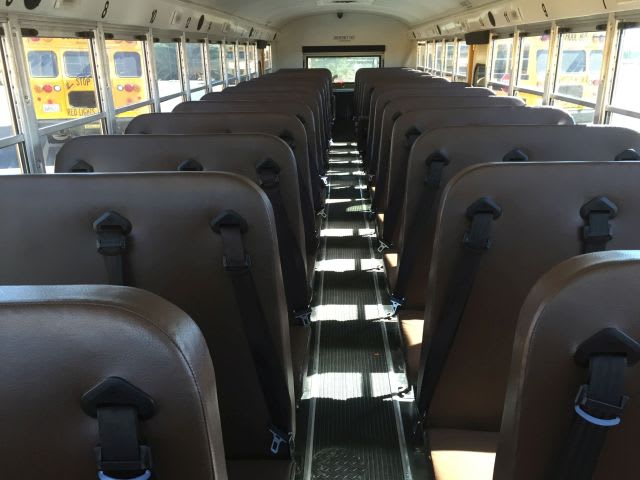
A state budget amendment provides $3 million to pay the extra costs associated with buying buses equipped with lap-shoulder seat belts. File photo courtesy Elk Grove (Calif.) Unified School District
A state budget amendment provides $3 million to pay the extra costs associated with buying buses equipped with lap-shoulder seat belts. File photo courtesy Elk Grove (Calif.) Unified School District
NASHVILLE, Tenn. — Tennessee has made funding available to help school transportation providers pay for the additional costs of seat belts on buses.
Gov. Bill Haslam proposed $30 million to improve school safety statewide in an amendment in the fiscal year 2018-19 budget in March, according to a press release from the governor’s office. The funding includes $3 million in nonrecurring funds for grants to school districts to address the extra costs associated with purchasing buses equipped with lap-shoulder seat belts.
The School Bus Seat Restraint Grant Program will be overseen by the Tennessee Department of Education’s student transportation office. The program will reimburse a school district or school bus contractor that purchases approved seat restraints.
As of the June 29 application deadline, 20 school districts and three charter schools applied for funding from the program, said Larry Riggsbee, executive director for the Tennessee Association of Pupil Transportation.
In March, Gov. Haslam also appointed a school safety working group to review school safety in Tennessee and provide recommendations to enhance student safety. The group was charged with submitting options for consideration that will serve as a basis for state action and approved school safety measures, according to the governor’s office.
“Our children deserve to learn in a safe and secure environment and I’ve asked the working group to make specific recommendations on school safety measures,” Haslam said. “These additional school safety funds, which include doubling the current amount of recurring funding we have through our school safety grants, will provide our schools with additional resources to meet their specific needs.”
The seat belt funding is one of a handful of responses to the deadly Chattanooga crash in 2016, which killed six students and injured more than 30 passengers. The state also passed a law in 2017 requiring school bus drivers to be at least 25 years old (Johnthony Walker, the driver in the Chattanooga crash, was 24 at the time), and requiring standards for driver and transportation manager training.
A story that includes more insights on the seat belt grant program and its potential impact will appear in SBF’s September issue.
More Safety
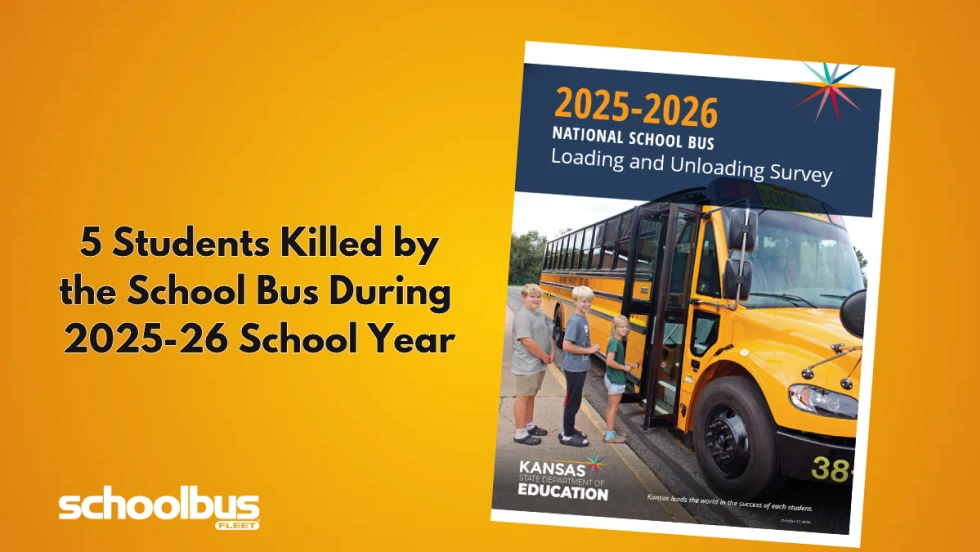
Five Students Died from School Bus Loading/Unloading in 2025-26
Fatalities are down by just one this year across the U.S. as four states reported five children struck and killed while getting on or off their school bus.
How a Texas District Built an Award-Winning Safety Culture
Rockwall ISD's Jennifer Gardella joins The Route to share lessons learned on accident prevention, driver training, coaching, technology, and team culture.
How Rockwall ISD Built an Award-Winning Safety Culture
How did one Texas transportation team strengthen bus and traffic safety? Jennifer Gardella shares lessons on driver training, coaching, technology, and team culture. The Route is brought to you by IC Bus.
North Carolina Student Killed While Boarding School Bus, Two Die in Utah Bus Crash
A Southern Nash High School student died after being struck by a pickup truck while approaching her school bus. In a separate incident, two people were killed after crashing into a school bus in Utah.
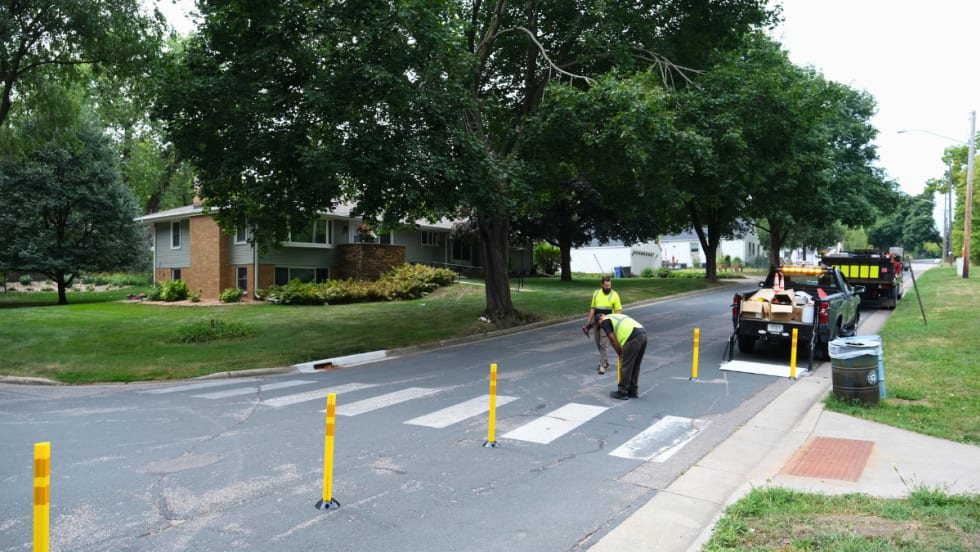
Minneapolis School Zone Pilot Cuts Speeding 41% with Low-Cost Street Design Changes
In a pilot project in Minnesota, two school-area intersections had low-cost, temporary road and traffic flow improvements made to measure the impact on roadway and student safety. Here's what they found.
Sitestream, Safety Vision Partner with Connecticut City to Launch School Bus Stop-Arm Camera Program
The new enforcement initiative combines camera technology and violation management software to document illegal school bus passing, encourage driver compliance, and enhance student safety.
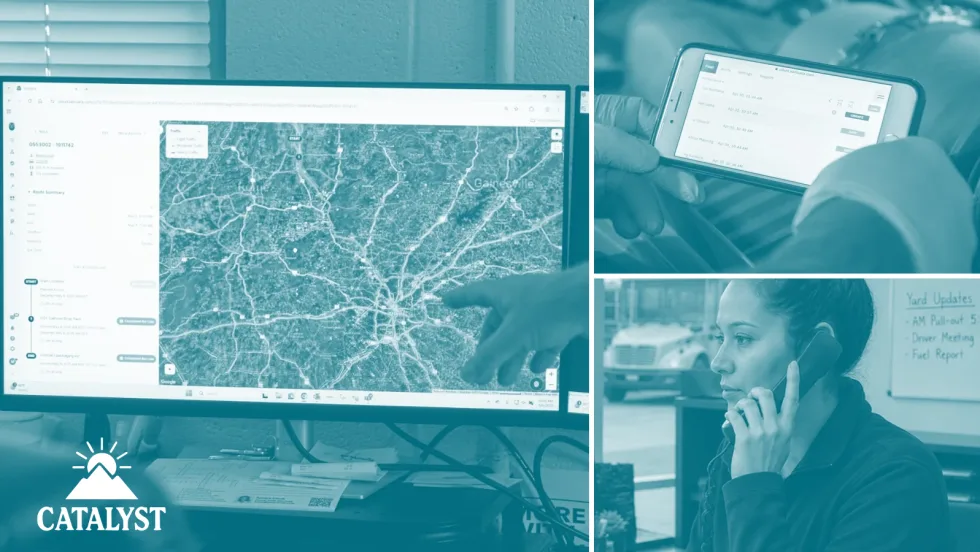
From Reactive to Proactive: Making Every Ride Visible
Smart technology only delivers its full value when it works together. See how Catalyst connects proven industry platforms to move student transportation from reactive to proactive.
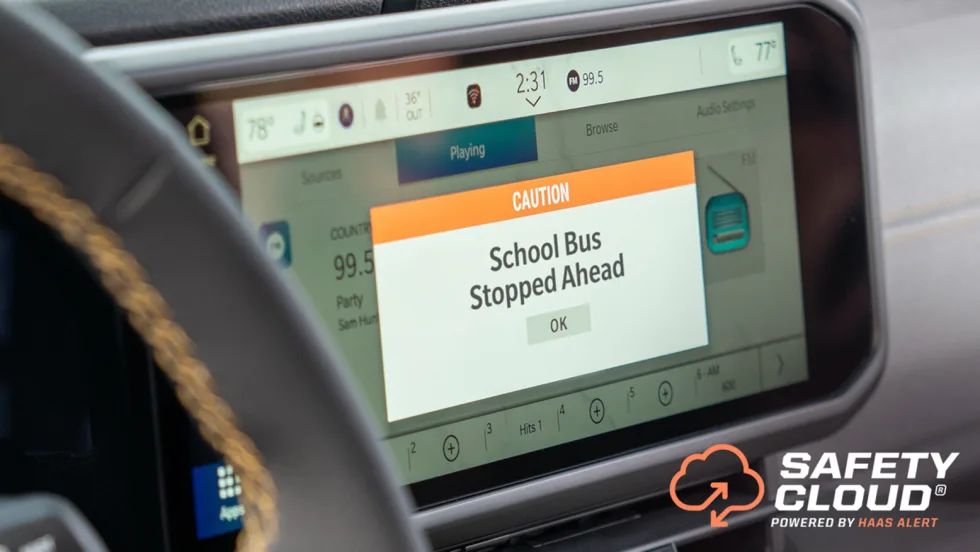
HAAS Alert’s Safety Cloud Warns Motorists of Stopped School Buses
Through a transponder or Samsara connection, the product lets school bus fleets send advance warnings to approaching drivers through in-vehicle alerts.
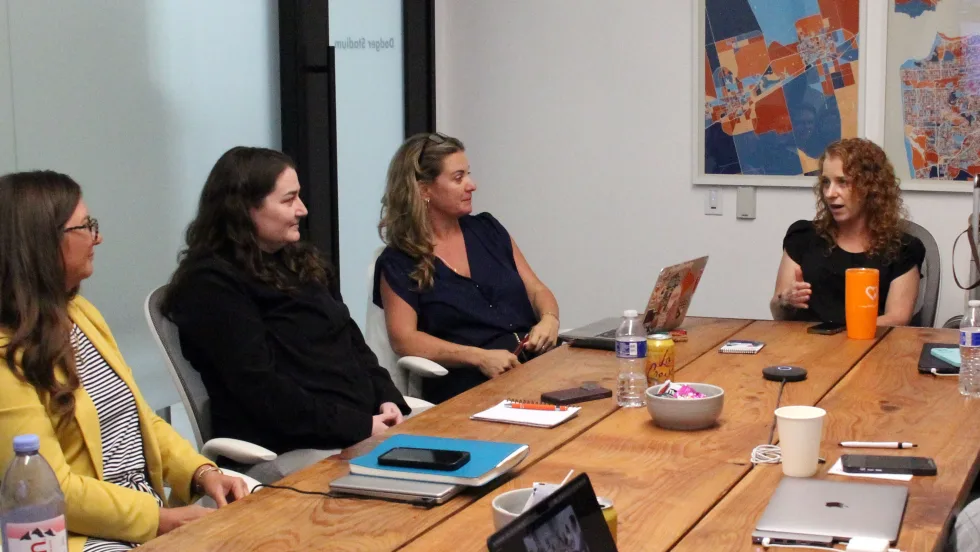
HopSkipDrive Reports Progress on Safety Advisory Council
More than a year after forming the council, independent safety experts have helped shape new rider-safety features and policy progress, with a new goal to address rider behavior.
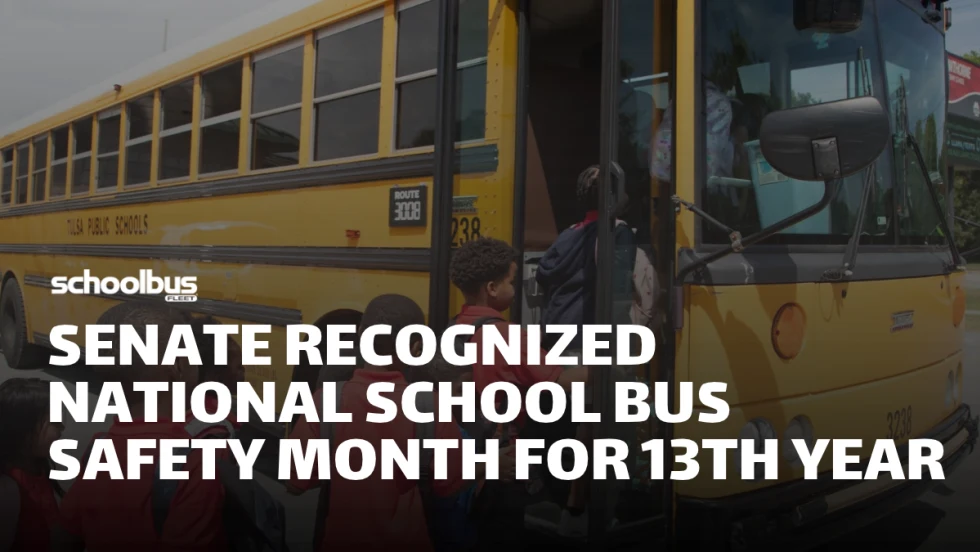
What the 2026 National School Bus Safety Month Resolution Means for Student Transportation
The bipartisan resolution highlights illegal school bus passing, student safety during loading and unloading, and the need for driver training and public education.