




Data Show U.S. Schools at Peak Virtual Mode, Gearing Up for In-Person Learning
Will the Vaccine Open More School Bus Doors in 2021?
John Benish Jr., the National School Transportation Association's president, hopes the COVID-19 vaccine will provide a level of comfort for parents and school employees — including bus drivers — that would allow more schools to reopen for in-person learning.
by John Benish Jr.
January 19, 2021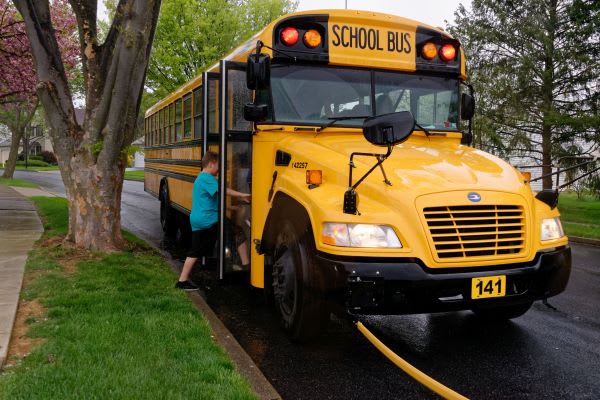
File photo courtesy Student Transportation Inc.
3 min to read
As 2021 progresses, we have our fingers crossed that most of our school districts will continue to return to in-person learning because a COVID-19 vaccine is now being deployed in the U.S. Hopefully the vaccine will live up to our high expectations of it, and its existence can provide a level of comfort for parents, school officials, and employees. Our wonderful bus drivers need to feel confident in a return to their role as the first person a child sees every morning.
My New Year’s wish is a return to normal, and not a “new” normal. Various studies have addressed the current environment of the virtual learning platform, and most, if not all, agree: the in-person learning model is critical for students, especially those in the K-6 range.
We have all heard the saying that implores one to get back up on the horse that bucked you. What this implies is that whenever you encounter difficulty, it’s easy to walk away and perhaps never try that endeavor again.
Because the Coronavirus has impacted so much in our lives, it may be difficult to think about hopping back on that horse. Think about it: what used to be a simple trip to the grocery store has become more challenging during the pandemic. Things that many of us look forward to have been curtailed or eliminated: the day trip to the beach, vacations at destination points, concerts, sporting events, and trips to museums.
Consequently, we have all begun to dive into distractions that can help us through these difficult times. Many have taken up bicycling, walking, painting, or even tackled long overdue house projects. Maybe, as a society, we can continue those activities even after we have faced down the struggle with COVID-19.
And I believe the yellow bus will lead the way to the renaissance that we so desperately need.

John Benish Jr. is the president of the National School Transportation Association.
Photo courtesy National School Transportation Association
As tough as these times have been for us, we also must focus our attention on others. The National School Transportation Association (NSTA) applauds all our heroic frontline medical staff members from all over the country, who have continually answered the call for the last 10 months. As you may know, a recent NSTA objective has been to get our transportation staffs on the 1b priority list to receive the vaccine. I am sure we can agree our staffs are most deserving to receive the vaccine early in this process. The NSTA has been working hard to get school bus drivers acknowledged as essential personnel, but only after our health care providers. We testified before the Centers for Disease Control and Prevention in November articulating this position.
For those transportation professionals operating under in-person learning situations, whether total or hybrid, we now know that the interior environment of a school bus can remain safe and sanitary. It’s another hurdle that we successfully jumped, and we have shown the remaining districts that we can certainly jump back on that proverbial horse when called upon.
Let’s continue to acknowledge that the yellow bus is the safest, greenest, and most efficient way to and from school each day, and each bus takes 36 automobiles off the road. This has not changed; in fact, our strengths have been amplified. Procedures and protocols are now in place to ensure a safe ride to school for nearly 26 million students each day. Let’s not lose sight of this fact as the pandemic continues to impact our lives. And for any student transportation professional out there who needs help jumping back into the saddle, please remember: with NSTA, you never travel alone.
Subscribe to Our Newsletter
More Blog Posts
The Sound of Summer Starting [Guest Editorial]
That unmistakable school bus rumble? It carries childhood memories, community routines, and a whole lot of unseen work behind the scenes.
Read More →
The Technology Power Combo That Enables EV Charging on Difficult Sites
As the pace of fleet electrification increases and charging infrastructure continues to pose challenges, many fleets find themselves puzzling over the question: how do I install charging infrastructure faster and more cost-efficiently?
Read More →
Trip Sheet: Farewell, Faithful Readers – Keep on Rolling
Executive Editor Wes Platt offers parting thoughts as he parks the School Bus Fleet bus to focus on ultra-local community journalism, making way for someone else to take the wheel as the pupil transportation industry continues to evolve.
Read More →
Trip Sheet: School Transportation Pros Can Champion Children's Mental Health
Children's Mental Health Awareness Day underscores the significance of school bus drivers in fostering supportive environments during students' journeys. SAMHSA's initiatives, including stigma reduction and access to resources, complement the Biden-Harris administration's funding efforts to enhance youth mental health services and workforce development.
Read More →
Trip Sheet: Is It Time for Daylight Saving Time to Clock Out?
How do you think the potential shift to permanent Daylight Saving Time or standard time would impact our daily lives and routines, especially considering the divided approach across various states?
Read More →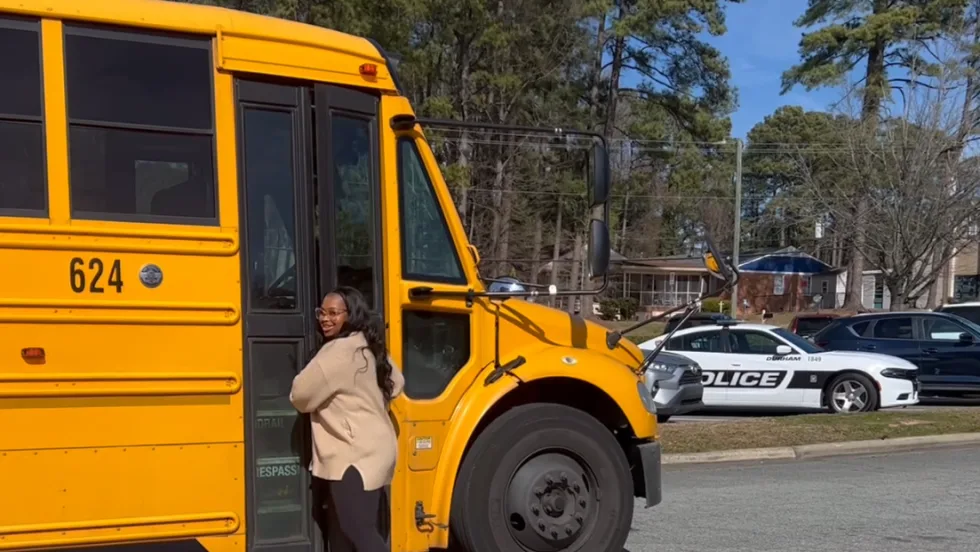
Trip Sheet: Meeting a Hero in My Own Back Yard
I remain impressed by the matter-of-fact heroism that’s often demonstrated by school bus drivers like Deona Washington who are caught in these situations where the best of us might lose our cool and panic. But, then again, bus drivers are a unique breed.
Read More →
Trip Sheet: 3 Takeaways from the EPA Clean School Bus Grant Program
Most applicants sought grant funding to acquire electric school buses, with propane coming in a distant second. No one indicated plans to purchase compressed natural gas (CNG) buses in this round. That’s not terribly surprising, I suppose, given how few school districts listed the inclusion of CNG buses in their fleets for our 2023 top district fleets survey.
Read More →
Trip Sheet: Let's Get Rolling: What's Coming in 2024?
Calendar pages keep flipping toward the mandates set in states like New York and California to transition their school bus fleets from diesel to zero-emission, but there’s plenty of reluctance and pushback.
Read More →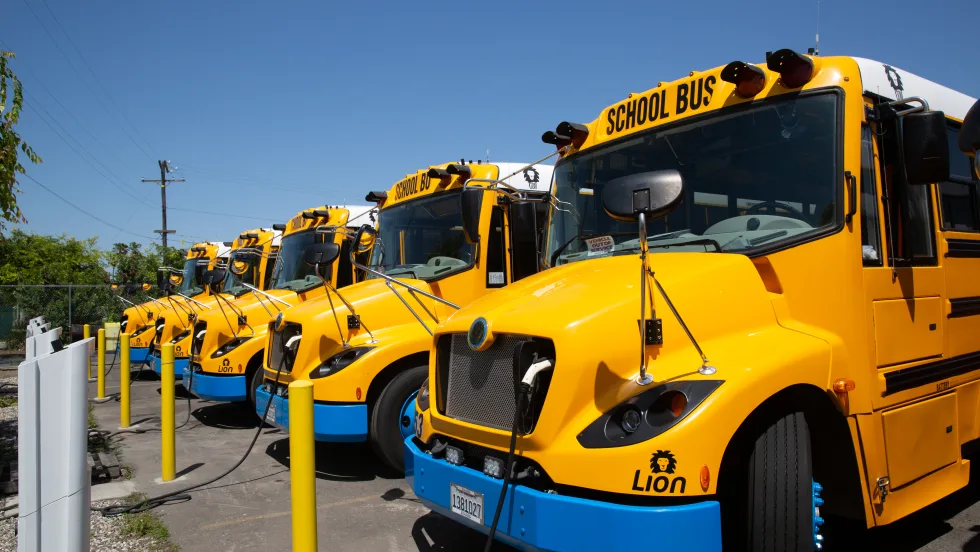
California School Children Ride in Green School Buses
Today, California prides itself on utilizing the most zero-emission (ZE) school buses in the country with over 1,689 being used by California school districts; and while the state is on a positive health trajectory thanks to a decree to eliminate gas and diesel vehicles, more work needs to be done to improve children’s well-being.
Read More →
Behind The Wheel of Childrens’ Safety Aboard the School Bus
Bus drivers are the primary caretakers of children during their commute and thus bear responsibility for their safety. By prioritizing proper operating procedures, maintenance checks, and additional precautions, drivers can help avoid the loss of precious young lives under their care.
Read More →