




To fee or not to fee?
It seems counterintuitive to deter districts from using fees to keep their bus programs running. If a district can’t afford to continue providing free rides and has to cut transportation, no one wins.

Bad headline aside, the question of whether to charge for school bus service has been generating a lot of contention recently.
As we report on pg. 11 in our September issue, two Indiana districts dropped their bus rider fees after state Attorney General Gregory Zoeller deemed such fees "unconstitutional."
"The legislature has identified transportation of school children as a part of what would constitute a uniform system of public education in Indiana," Zoeller wrote in an opinion piece. School districts do not have "the specific authority to assess, charge, or collect a school bus rider fee from the students," he added.
Franklin Township Community School Corp. had planned to start charging $75 per student for riding the bus. Lake Central School Corp. had been charging $10 per student for the past two years. Following the release of Zoeller's opinion, both districts rescinded their fees.
Here are some other recent developments on the fee front:
• At Lodi (Calif.) Unified School District, a large budget deficit led to a plan to charge $360 per student to ride the school bus for a year.
But based on input from within the district and the public — as well as the fact that only one bus pass had been bought — the superintendent decided to postpone the fee program. The board of education will revisit the idea later in the year to possibly try it again for the 2011-12 school year.
For now, the district opted to consolidate routes by picking students up at designated hubs instead of their homes. The hub system is expected to save more than $550,000 per year.
• In Hinsdale, Ill., the Community Consolidated School District 181 voted earlier this year to increase its minimum distance for free bus service from one mile to 1.5 miles. The plan was to charge riders who live less than 1.5 miles from school.
But after many parents objected to the change, the school board decided to revert to its previous policy. The district then said it would look at consolidating bus routes to help fill its transportation budget gap.
It's not surprising that parents would push back when informed that they'll have to pay for their kids to ride the school bus. What is surprising is Zoeller's opinion in Indiana.
While I can't speak to the technicalities of what may or may not make school bus fees "unconstitutional" in that state, it seems counterintuitive to deter districts from using fees to try to keep their bus programs running. If a district can't afford to continue providing free rides and has to cut transportation (except for special-needs students), no one wins.
That's what just happened at Oceanside (Calif.) Unified School District. Its board voted to eliminate general-education elementary bus service, a move that impacts about 1,500 students.
The North County Times reported that the district began charging $360 per student last year, but less than half of the expected revenue came in, mainly because of the high number of students from low-income families qualifying for free transportation.
School busing should be offered for free as much as possible. But when budget shortfalls abound, it's a service that's well worth a dollar a ride.
— Thomas McMahon, Executive Editor
More Blog Posts
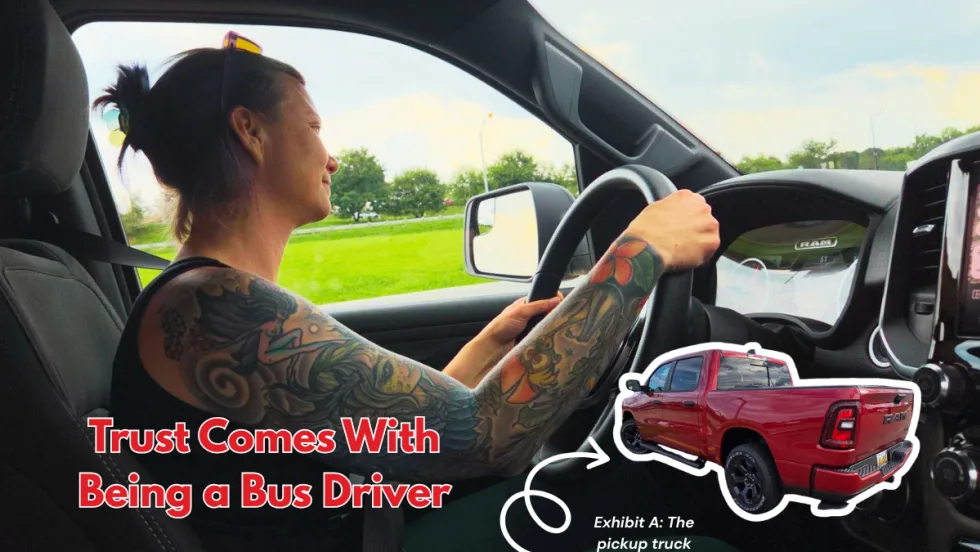
'I’m a School Bus Driver, You Can Trust Me'
A crowded Cleveland parking lot, a full-size pickup, and five unexpected words turned a stressful moment into a reminder of just how much trust we place in school bus drivers every day.
Read More →
The Sound of Summer Starting [Guest Editorial]
That unmistakable school bus rumble? It carries childhood memories, community routines, and a whole lot of unseen work behind the scenes.
Read More →
The Technology Power Combo That Enables EV Charging on Difficult Sites
As the pace of fleet electrification increases and charging infrastructure continues to pose challenges, many fleets find themselves puzzling over the question: how do I install charging infrastructure faster and more cost-efficiently?
Read More →
Trip Sheet: Farewell, Faithful Readers – Keep on Rolling
Executive Editor Wes Platt offers parting thoughts as he parks the School Bus Fleet bus to focus on ultra-local community journalism, making way for someone else to take the wheel as the pupil transportation industry continues to evolve.
Read More →
Trip Sheet: School Transportation Pros Can Champion Children's Mental Health
Children's Mental Health Awareness Day underscores the significance of school bus drivers in fostering supportive environments during students' journeys. SAMHSA's initiatives, including stigma reduction and access to resources, complement the Biden-Harris administration's funding efforts to enhance youth mental health services and workforce development.
Read More →
Trip Sheet: Is It Time for Daylight Saving Time to Clock Out?
How do you think the potential shift to permanent Daylight Saving Time or standard time would impact our daily lives and routines, especially considering the divided approach across various states?
Read More →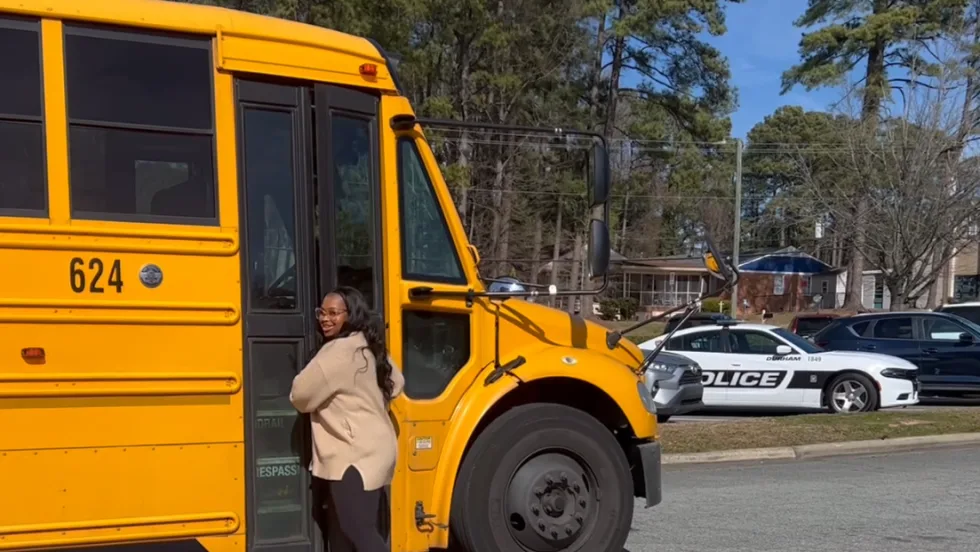
Trip Sheet: Meeting a Hero in My Own Back Yard
I remain impressed by the matter-of-fact heroism that’s often demonstrated by school bus drivers like Deona Washington who are caught in these situations where the best of us might lose our cool and panic. But, then again, bus drivers are a unique breed.
Read More →
Trip Sheet: 3 Takeaways from the EPA Clean School Bus Grant Program
Most applicants sought grant funding to acquire electric school buses, with propane coming in a distant second. No one indicated plans to purchase compressed natural gas (CNG) buses in this round. That’s not terribly surprising, I suppose, given how few school districts listed the inclusion of CNG buses in their fleets for our 2023 top district fleets survey.
Read More →
Trip Sheet: Let's Get Rolling: What's Coming in 2024?
Calendar pages keep flipping toward the mandates set in states like New York and California to transition their school bus fleets from diesel to zero-emission, but there’s plenty of reluctance and pushback.
Read More →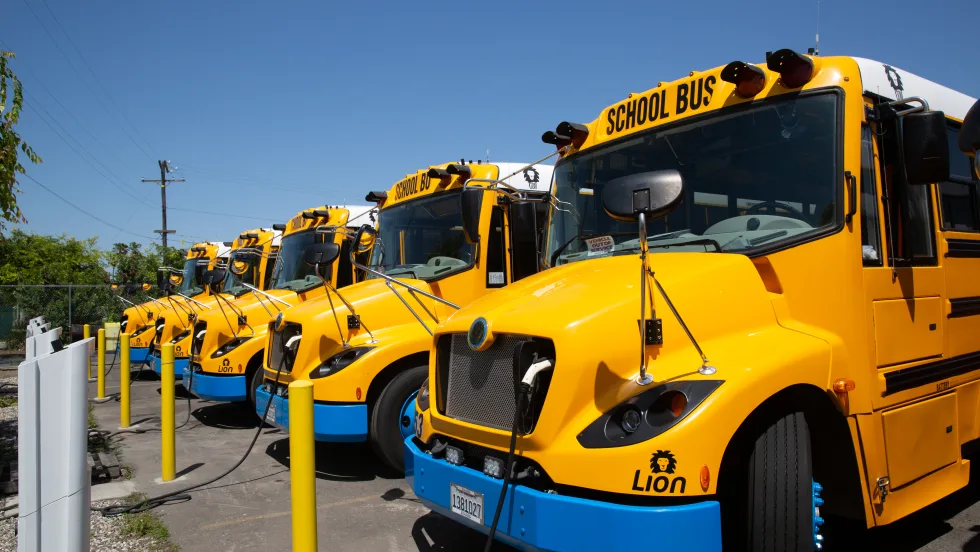
California School Children Ride in Green School Buses
Today, California prides itself on utilizing the most zero-emission (ZE) school buses in the country with over 1,689 being used by California school districts; and while the state is on a positive health trajectory thanks to a decree to eliminate gas and diesel vehicles, more work needs to be done to improve children’s well-being.
Read More →