



Thinking outside the bus
Many districts have turned to alternative transportation — vans, taxis and other vehicles — to supplement traditional school bus service in certain situations. But in the school bus industry, which has built an unparalleled safety record with its thorough driver requirements and strict vehicle construction standards, the thought of stepping outside of the school bus is disconcerting for many. ...

Alternative fuels aren’t the only “alternative” that seems to be gaining interest in the pupil transportation industry.
Many school districts have turned to alternative transportation — vans, taxis and other small, non-school bus vehicles — to supplement traditional school bus service in certain situations.
A common example would be a homeless student who travels a long distance every day to attend his school of origin, meaning the last school he was enrolled in before becoming homeless. Under the McKinney-Vento Act, these students are entitled to free transportation to their school of origin, even if they now live in a different school district.
This can strain districts’ resources. As Washington state student transportation director Allan Jones explains, “Some of the districts just don’t have enough school buses to transport all the homeless students they have.”
Proponents of alternative transportation say that using small vehicles for these long trips with one or a few students cuts costs and allows more flexibility.
But in the school bus industry, which has built an unparalleled safety record with its thorough driver requirements and strict vehicle construction standards, the thought of stepping outside of the school bus is disconcerting for many.
That’s how Launi Harden initially felt about alternative transportation.
“At first, I didn’t look at it because it wasn’t the yellow school bus,” says Harden, the transportation director at Washington County School District in St. George, Utah.
But she says the downturn in the economy and high fuel prices forced districts to look at new ways to increase efficiency.
Washington County School District, which continues to run its own school bus fleet, has been contracting with American Logistics Co. (ALC) for about five years now. Through local transportation providers, ALC arranges for vans and sedans — all with magnetic signs for identification — to transport small numbers of special-needs students, some of whom travel up to 50 miles one way to school.
“It’s generally a quicker ride for the students, and it saves taxpayer dollars,” Harden says.
She notes that when considering alternative transportation through an outside vendor, it’s critical to look into the company, its safety practices and its reputation.
“Don’t just hire anyone,” Harden advises. “Make sure they have the same standards as you.”
ALC, for example, ensures that its drivers go through background checks, drug testing and training, meeting state and federal requirements as well as each district’s own specifications.
But, as you’ll see in our new in-depth article on alternative transportation, some other companies apparently haven’t been as detailed in checking their drivers. In Chicago, an investigation found dozens of school cab drivers who had been arrested for or convicted of such crimes as aggravated battery, possession of a controlled substance and sexual assault on a teenager.
Another concern about alternative transportation is in record keeping. While states collect data specific to school bus crashes, the same can’t always be said for non-school bus vehicles that transport students. For example, in Pennsylvania, thousands of vans are used in student transportation, but crash statistics for them are not broken out from other crash statistics.
Alternative transportation is a contentious topic in the industry, but those on both sides of the issue would likely agree that crash numbers should be identified for non-school bus vehicles that transport students.
— Thomas McMahon, executive editor
More Blog Posts

The Sound of Summer Starting [Guest Editorial]
That unmistakable school bus rumble? It carries childhood memories, community routines, and a whole lot of unseen work behind the scenes.
Read More →
The Technology Power Combo That Enables EV Charging on Difficult Sites
As the pace of fleet electrification increases and charging infrastructure continues to pose challenges, many fleets find themselves puzzling over the question: how do I install charging infrastructure faster and more cost-efficiently?
Read More →
Trip Sheet: Farewell, Faithful Readers – Keep on Rolling
Executive Editor Wes Platt offers parting thoughts as he parks the School Bus Fleet bus to focus on ultra-local community journalism, making way for someone else to take the wheel as the pupil transportation industry continues to evolve.
Read More →
Trip Sheet: School Transportation Pros Can Champion Children's Mental Health
Children's Mental Health Awareness Day underscores the significance of school bus drivers in fostering supportive environments during students' journeys. SAMHSA's initiatives, including stigma reduction and access to resources, complement the Biden-Harris administration's funding efforts to enhance youth mental health services and workforce development.
Read More →
Trip Sheet: Is It Time for Daylight Saving Time to Clock Out?
How do you think the potential shift to permanent Daylight Saving Time or standard time would impact our daily lives and routines, especially considering the divided approach across various states?
Read More →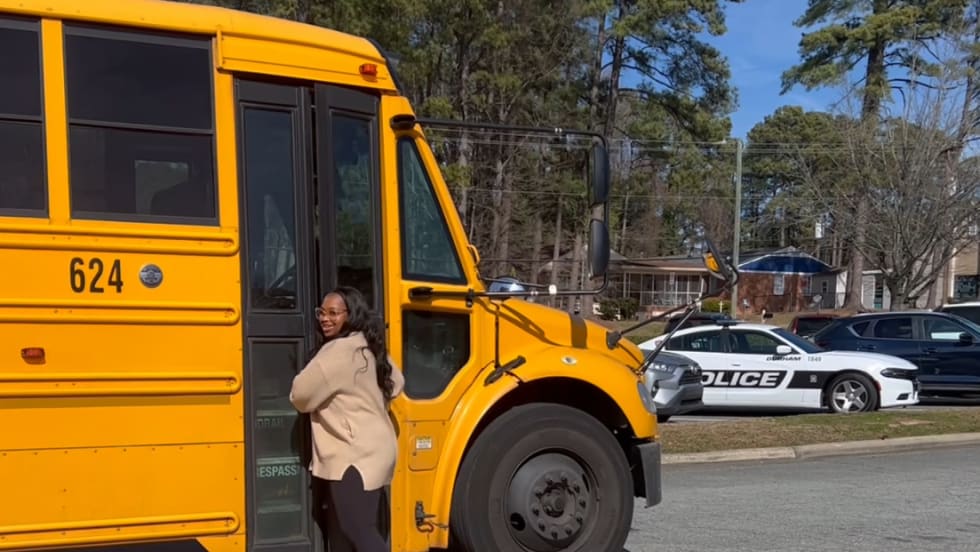
Trip Sheet: Meeting a Hero in My Own Back Yard
I remain impressed by the matter-of-fact heroism that’s often demonstrated by school bus drivers like Deona Washington who are caught in these situations where the best of us might lose our cool and panic. But, then again, bus drivers are a unique breed.
Read More →
Trip Sheet: 3 Takeaways from the EPA Clean School Bus Grant Program
Most applicants sought grant funding to acquire electric school buses, with propane coming in a distant second. No one indicated plans to purchase compressed natural gas (CNG) buses in this round. That’s not terribly surprising, I suppose, given how few school districts listed the inclusion of CNG buses in their fleets for our 2023 top district fleets survey.
Read More →
Trip Sheet: Let's Get Rolling: What's Coming in 2024?
Calendar pages keep flipping toward the mandates set in states like New York and California to transition their school bus fleets from diesel to zero-emission, but there’s plenty of reluctance and pushback.
Read More →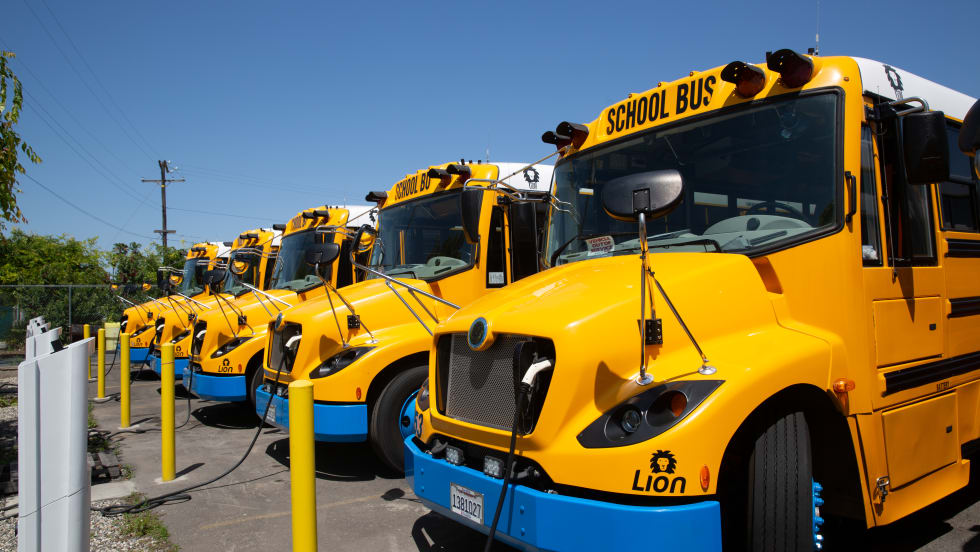
California School Children Ride in Green School Buses
Today, California prides itself on utilizing the most zero-emission (ZE) school buses in the country with over 1,689 being used by California school districts; and while the state is on a positive health trajectory thanks to a decree to eliminate gas and diesel vehicles, more work needs to be done to improve children’s well-being.
Read More →
Behind The Wheel of Childrens’ Safety Aboard the School Bus
Bus drivers are the primary caretakers of children during their commute and thus bear responsibility for their safety. By prioritizing proper operating procedures, maintenance checks, and additional precautions, drivers can help avoid the loss of precious young lives under their care.
Read More →