




The Yellow Bus Is as Dependable as Ever
We are poised for the complete return to classroom learning, and ready to do what we do best: transport students safely and efficiently, each day, every day.
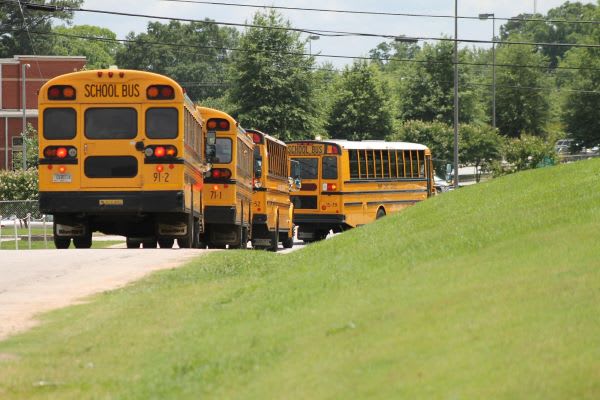
File photo courtesy JD Hardin
As unsettling as the last several months have been, it is nice to see some hint of yellow buses rolling down the streets in our communities again.
The National School Transportation Association (NSTA) wants to thank the many volunteers, as well as our sister organizations — the National Association of Pupil Transportation (NAPT), the National Association of State Directors of Pupil Transportation Services (NASDPTS), and the American School Bus Council (ASBC) — for their support in moving forward with coordinated, positive messaging during the COVID-19 pandemic. Our friends the Original Equipment Manufacturers (OEMs) — Blue Bird, Collins Bus, IC Bus, and Thomas Built Buses — have also been very helpful in providing information as we chart our return to school activities during the pandemic.
As you know, the Student Transportation Aligned for Return To School (STARTS) Task Force was the most visible example of industry collaboration, but everyone has pitched in in some way during these challenging times. The OEMs have provided detailed information on cleaning and sanitizing buses, which is available on the COVID-19 Resources page on the NSTA website. And, NASDPTS and NAPT have engaged with us in several advocacy efforts that have come to the forefront since the beginning of 2020. Rest assured, we will continue to have these conversations with all our partners in student transportation moving forward.
Our collective goal continues to be the safe transport of nearly 26 million schoolchildren each day. You may not realize it, but the size of the student transportation system makes it the largest public transportation system in the U.S. We are larger than planes, trains, and mass transit combined.
Unfortunately, you may not have heard about the many successful summer school programs that involved transporting students recently. Yes, we have figured out how to cope with the pandemic and still provide safe, reliable transportation to the many students who depend on us to get them to and from school each day. As we have before, we again will be there in the future.
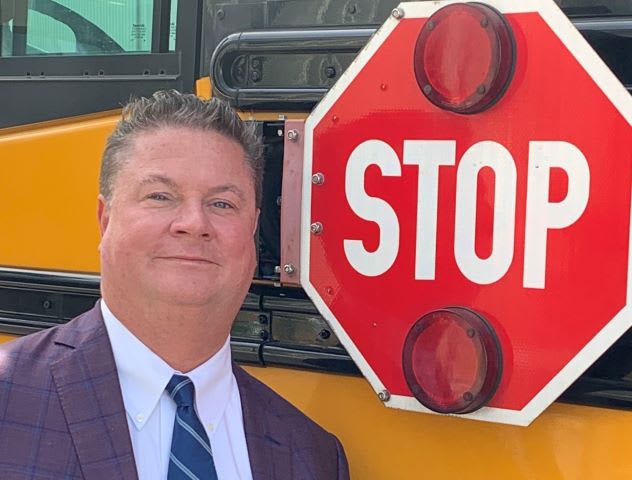
John Benish Jr. is the president of the National School Transportation Association.
Remember, the safety record of the yellow bus speaks for itself. According to the ASBC:
“Students are about 70 times more likely to arrive to school safely if they take the school bus instead of traveling by car. With teen drivers crashing at higher rates than adults, the school bus provides a much safer alternative. Its passengers can socialize, text, and simply be children without the deadly risks involved with distracted or inexperienced driving — risks that affect everyone on the road.”
Speaking of ASBC, the council launched a public relations campaign in support of the yellow bus and school bus ridership. It was set in motion in August with the deployment of an exciting video called “Titans of Transportation.” It highlights many of the great features of the school bus, many of which are taken for granted. I urge you to share this video on your own social media platforms.
Finally, with the COVID-19 pandemic still impacting many school districts’ reopening plans, ASBC also put together another video, “The Symbol of Safety," which amplifies the safety aspects of the school bus and the extraordinary measures that have been and will continue to be taken as we transport children to school and during extracurricular activities.
As we move ahead, let’s continue to highlight all the positive attributes of the yellow bus, as we educate our parents, districts, and students that pupil transportation isn’t an impediment to the return to school. We are poised for the complete return to classroom learning, and ready to do what we do best: transport students safely and efficiently, each day, every day.
More Blog Posts
The Sound of Summer Starting [Guest Editorial]
That unmistakable school bus rumble? It carries childhood memories, community routines, and a whole lot of unseen work behind the scenes.
Read More →
The Technology Power Combo That Enables EV Charging on Difficult Sites
As the pace of fleet electrification increases and charging infrastructure continues to pose challenges, many fleets find themselves puzzling over the question: how do I install charging infrastructure faster and more cost-efficiently?
Read More →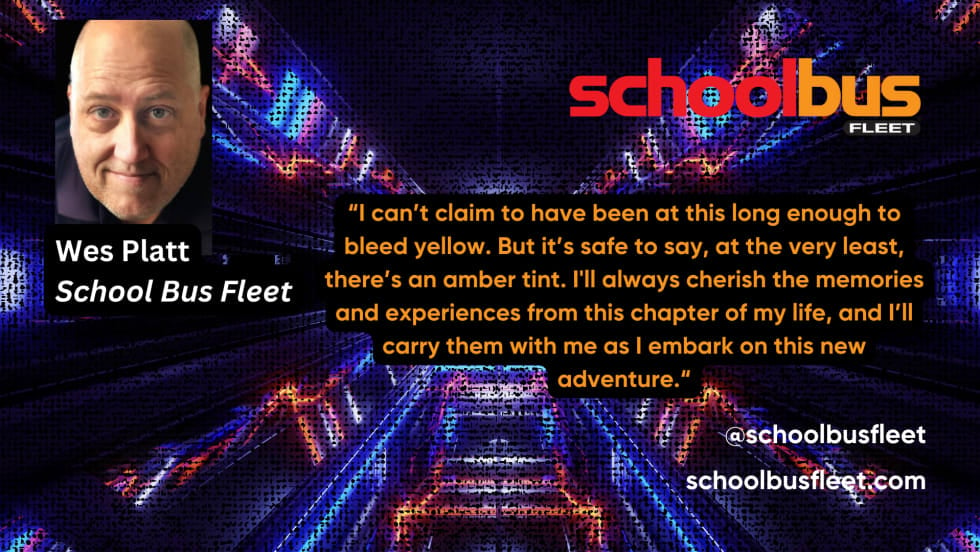
Trip Sheet: Farewell, Faithful Readers – Keep on Rolling
Executive Editor Wes Platt offers parting thoughts as he parks the School Bus Fleet bus to focus on ultra-local community journalism, making way for someone else to take the wheel as the pupil transportation industry continues to evolve.
Read More →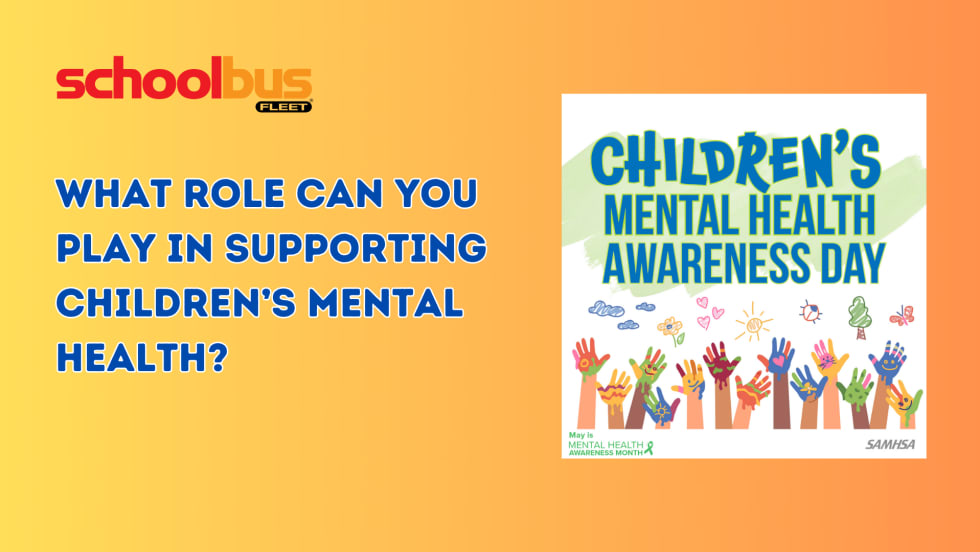
Trip Sheet: School Transportation Pros Can Champion Children's Mental Health
Children's Mental Health Awareness Day underscores the significance of school bus drivers in fostering supportive environments during students' journeys. SAMHSA's initiatives, including stigma reduction and access to resources, complement the Biden-Harris administration's funding efforts to enhance youth mental health services and workforce development.
Read More →
Trip Sheet: Is It Time for Daylight Saving Time to Clock Out?
How do you think the potential shift to permanent Daylight Saving Time or standard time would impact our daily lives and routines, especially considering the divided approach across various states?
Read More →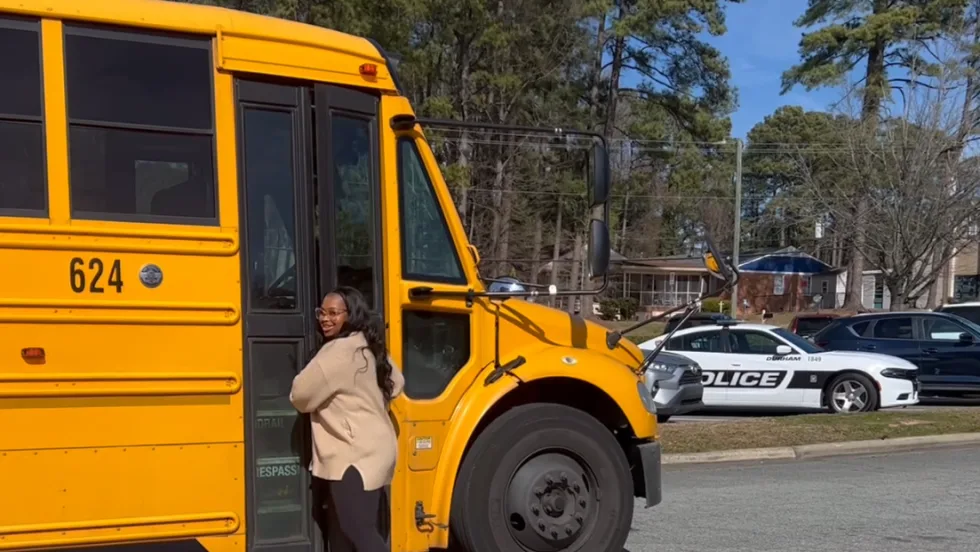
Trip Sheet: Meeting a Hero in My Own Back Yard
I remain impressed by the matter-of-fact heroism that’s often demonstrated by school bus drivers like Deona Washington who are caught in these situations where the best of us might lose our cool and panic. But, then again, bus drivers are a unique breed.
Read More →
Trip Sheet: 3 Takeaways from the EPA Clean School Bus Grant Program
Most applicants sought grant funding to acquire electric school buses, with propane coming in a distant second. No one indicated plans to purchase compressed natural gas (CNG) buses in this round. That’s not terribly surprising, I suppose, given how few school districts listed the inclusion of CNG buses in their fleets for our 2023 top district fleets survey.
Read More →
Trip Sheet: Let's Get Rolling: What's Coming in 2024?
Calendar pages keep flipping toward the mandates set in states like New York and California to transition their school bus fleets from diesel to zero-emission, but there’s plenty of reluctance and pushback.
Read More →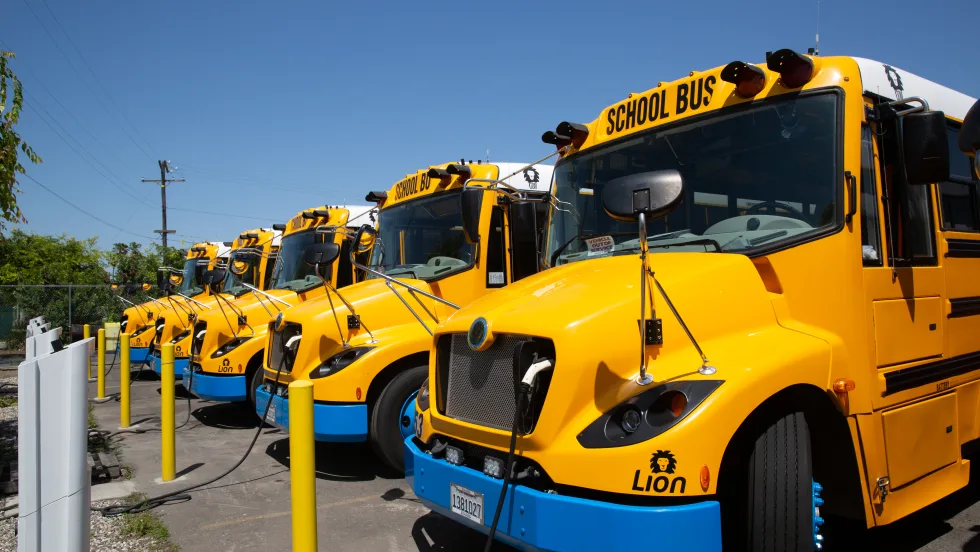
California School Children Ride in Green School Buses
Today, California prides itself on utilizing the most zero-emission (ZE) school buses in the country with over 1,689 being used by California school districts; and while the state is on a positive health trajectory thanks to a decree to eliminate gas and diesel vehicles, more work needs to be done to improve children’s well-being.
Read More →
Behind The Wheel of Childrens’ Safety Aboard the School Bus
Bus drivers are the primary caretakers of children during their commute and thus bear responsibility for their safety. By prioritizing proper operating procedures, maintenance checks, and additional precautions, drivers can help avoid the loss of precious young lives under their care.
Read More →