




Seeing the driver’s view
Ride-alongs can be a great way for local officials and others to get a better understanding of school transportation systems. ...

Michigan City, Ind., Mayor Chuck Oberlie (left) had an educational experience a few years ago when he rode along with school bus driver John McGuire.
At the end of March, the chairman of the National Transportation Safety Board (NTSB) set out on an unusual trip.
Deborah A.P. Hersman departed on a two-day, four-state journey from Washington, D.C., to Louisville, Ky., with the stated goal of getting “a cab’s-eye view of the commercial truck industry.”
The chairman was traveling to the Mid-America Truck Show, where she would take part in the second annual Women in Trucking “Salute to Women Behind the Wheel” event. Hersman’s journey, which began at the NTSB headquarters in D.C., had her riding alongside five different professional big-rig drivers.
“I’m excited to join these drivers for a real-world view of the challenges they face every day on the road,” Hersman said before the trip. “The skill and professionalism drivers bring to the job are essential to maintaining the highest level of safety on our nation’s highways.”
As I read about the expedition, I couldn’t help but wonder whether Hersman might take part in a similar experience in a yellow school bus.
Industry ties
Hersman is certainly no stranger to the pupil transportation industry. She has served as the NTSB’s representative at the 2006 school bus crash in Huntsville, Ala., and the 2005 collision of a school bus with a trash truck in Arlington, Va., among other major accidents.
When she was named chairman of the NTSB in 2009, it was noted that her credentials include a CDL with a school bus endorsement and certification as a child passenger safety technician.
Still, Hersman riding along on a morning school bus run would be an excellent way to highlight the professionalism that school bus drivers embody as well as the challenges that they face behind the wheel. It could attract some positive media coverage for the industry, as did U.S. Transportation Secretary Ray LaHood’s participation in a Love the Bus event in February.
An invaluable experience
Ride-alongs can also be a great way for local officials and others to get a better understanding of school transportation systems.
For example, a few years ago the mayor of Michigan City, Ind., joined a bus driver as he transported high school students. The mayor said that he learned about bus drivers stopping and opening the door at railroad crossings to look and listen for approaching trains.
In 2003, I had an intriguing opportunity to ride along on a yellow bus. I was writing an article about a day in the life of a medically fragile student, 5-year-old Jordan Forster.
The experience opened my eyes to just how much goes into the special-needs transportation process. I witnessed firsthand the dedication of everyone involved — bus drivers, aides, transportation administrators, parents and Jordan herself. I also got to see how important the bus was in Jordan’s education.
That encounter, which took place in my first year on the job with SBF, didn’t just result in an interesting article — it helped shape my career as a pupil transportation reporter.
— Thomas McMahon, executive editor
More Blog Posts
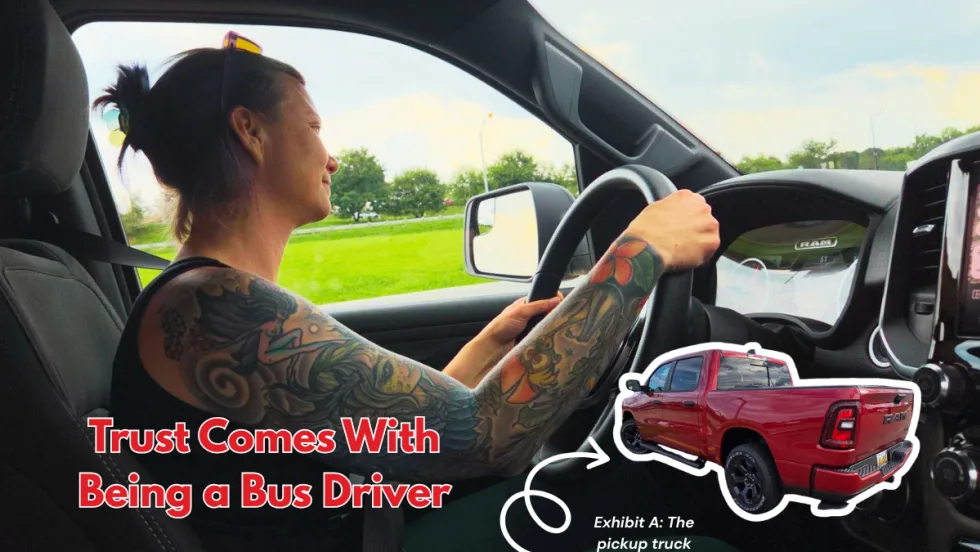
'I’m a School Bus Driver, You Can Trust Me'
A crowded Cleveland parking lot, a full-size pickup, and five unexpected words turned a stressful moment into a reminder of just how much trust we place in school bus drivers every day.
Read More →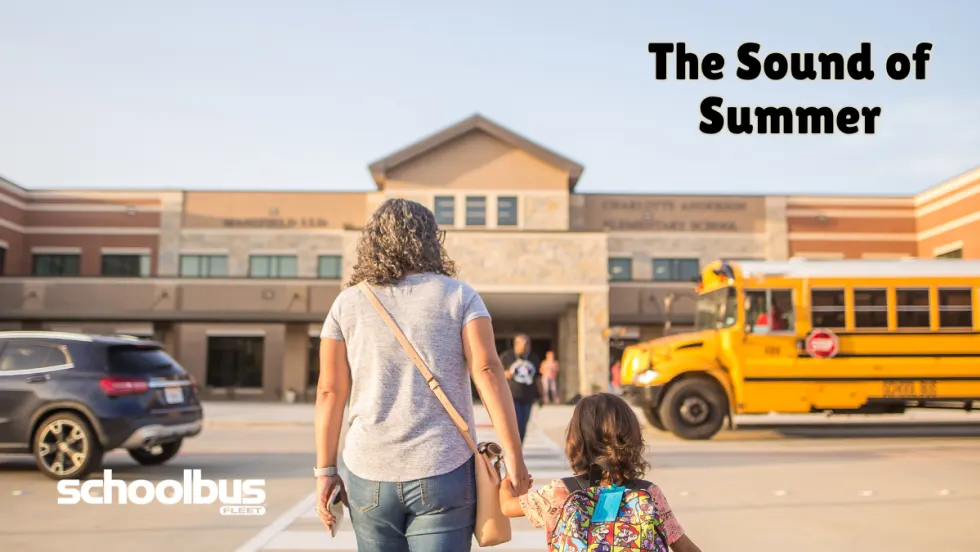
The Sound of Summer Starting [Guest Editorial]
That unmistakable school bus rumble? It carries childhood memories, community routines, and a whole lot of unseen work behind the scenes.
Read More →
The Technology Power Combo That Enables EV Charging on Difficult Sites
As the pace of fleet electrification increases and charging infrastructure continues to pose challenges, many fleets find themselves puzzling over the question: how do I install charging infrastructure faster and more cost-efficiently?
Read More →
Trip Sheet: Farewell, Faithful Readers – Keep on Rolling
Executive Editor Wes Platt offers parting thoughts as he parks the School Bus Fleet bus to focus on ultra-local community journalism, making way for someone else to take the wheel as the pupil transportation industry continues to evolve.
Read More →
Trip Sheet: School Transportation Pros Can Champion Children's Mental Health
Children's Mental Health Awareness Day underscores the significance of school bus drivers in fostering supportive environments during students' journeys. SAMHSA's initiatives, including stigma reduction and access to resources, complement the Biden-Harris administration's funding efforts to enhance youth mental health services and workforce development.
Read More →
Trip Sheet: Is It Time for Daylight Saving Time to Clock Out?
How do you think the potential shift to permanent Daylight Saving Time or standard time would impact our daily lives and routines, especially considering the divided approach across various states?
Read More →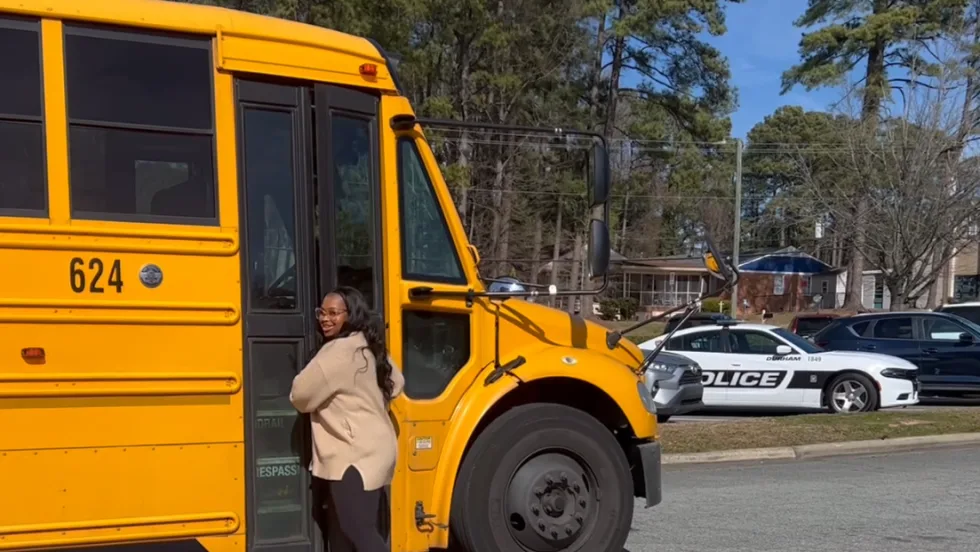
Trip Sheet: Meeting a Hero in My Own Back Yard
I remain impressed by the matter-of-fact heroism that’s often demonstrated by school bus drivers like Deona Washington who are caught in these situations where the best of us might lose our cool and panic. But, then again, bus drivers are a unique breed.
Read More →
Trip Sheet: 3 Takeaways from the EPA Clean School Bus Grant Program
Most applicants sought grant funding to acquire electric school buses, with propane coming in a distant second. No one indicated plans to purchase compressed natural gas (CNG) buses in this round. That’s not terribly surprising, I suppose, given how few school districts listed the inclusion of CNG buses in their fleets for our 2023 top district fleets survey.
Read More →
Trip Sheet: Let's Get Rolling: What's Coming in 2024?
Calendar pages keep flipping toward the mandates set in states like New York and California to transition their school bus fleets from diesel to zero-emission, but there’s plenty of reluctance and pushback.
Read More →
California School Children Ride in Green School Buses
Today, California prides itself on utilizing the most zero-emission (ZE) school buses in the country with over 1,689 being used by California school districts; and while the state is on a positive health trajectory thanks to a decree to eliminate gas and diesel vehicles, more work needs to be done to improve children’s well-being.
Read More →