


PHOTO GALLERY: ASBC's Love the Bus event
Exuberant kids in yellow T-shirts, a bus-loving U.S. congressman and a School Bus Champion Award are among the pictorial highlights from the 2016 Love the Bus main event.
 MENU
MENU SEARCH
At ASBC’s Love the Bus event in rural Sloughhouse, California, dignitaries from Congress and the EPA cite the benefits of school buses, and students in yellow T-shirts show their spirit.


At ASBC’s Love the Bus 2016 main event, students at Cosumnes River Elementary in California wore yellow T-shirts and, at one point, screamed “We love the bus!”

At ASBC’s Love the Bus 2016 main event, students at Cosumnes River Elementary in California wore yellow T-shirts and, at one point, screamed “We love the bus!”
SLOUGHHOUSE, Calif. — In this small, rural town, in a school flanked by grazing goats and cattle, love for the school bus reached a fever pitch on Friday.
Several hundred elementary students, clad in yellow T-shirts, screamed in eardrum-bursting unison, “We love the bus!”
U.S. Congressman Ami Bera, one of the speakers at this Love the Bus main event at Cosumnes River Elementary, had told the kids to yell “loud enough so President Obama can hear” all the way in Washington.
At the event, organized by the American School Bus Council (ASBC), Bera and other dignitaries told the crowd of energetic pupils about the safety, educational and environmental benefits of the school bus.
Jared Blumenfeld, the U.S. Environmental Protection Agency’s Region 9 administrator, noted that each school bus takes 36 cars off of the road.
“I think the yellow school bus is the best bus there is,” Blumenfeld told the students. “You get to have a great time, and you’ll save the planet.”
Cosumnes River Elementary and its district, Elk Grove Unified School District (USD), provided a compelling school bus success story. About 60% of the students at Cosumnes (around 300 of 500 total) ride the bus to and from school daily.
Elk Grove USD has taken steps to reduce emissions in its fleet by acquiring new alternative fuel buses and retrofitting older diesel buses with particulate filters. The district, which runs about 200 school buses total, bought 40 propane buses this year and also has 25 compressed natural gas buses in operation.
Also, Elk Grove USD has made transportation for field trips a priority. The district supplies school buses for some 6,000 field trips per year for students at its 61 schools.
At the ASBC event at Cosumnes River Elementary, Elk Grove Director of Transportation Jill Gayaldo surprised the students by announcing that her department would reward their “Love the Bus” spirit by giving them a field trip to a destination of their choosing.
Elk Grove USD was also on the receiving end of accolades. ASBC representative Leon Langley noted that while California does not require districts to provide transportation service, “Elk Grove has embraced the school bus” and the benefits it provides to students and the community.
Langley presented ASBC’s School Bus Champion Award to Elk Grove USD. Superintendent Chris Hoffman accepted the award for the district, highlighting Gayaldo’s work in running an exemplary transportation operation.
“She does an absolutely phenomenal job,” Hoffman said, adding that the district’s buses transport students 2.7 million miles per year. “Because of that, our kids are as safe as possible.”
Hoffman also recognized Elk Grove USD’s school bus driver of the year, Stephonia Spivey.
The Love the Bus event also drew officials from the Elk Grove school board, the California Department of Education and ASBC’s member organizations — the three national pupil transportation associations and the large school bus OEMs.
After the dignitaries stepped outside to pose for photos in front of Elk Grove school buses, eager youngsters led them on tours of their school. Cosumnes River is the smallest elementary school in the district, but on Friday its students showed that they have no shortage of school bus spirit.

That unmistakable school bus rumble? It carries childhood memories, community routines, and a whole lot of unseen work behind the scenes.
Read More →
As the pace of fleet electrification increases and charging infrastructure continues to pose challenges, many fleets find themselves puzzling over the question: how do I install charging infrastructure faster and more cost-efficiently?
Read More →
Executive Editor Wes Platt offers parting thoughts as he parks the School Bus Fleet bus to focus on ultra-local community journalism, making way for someone else to take the wheel as the pupil transportation industry continues to evolve.
Read More →
Children's Mental Health Awareness Day underscores the significance of school bus drivers in fostering supportive environments during students' journeys. SAMHSA's initiatives, including stigma reduction and access to resources, complement the Biden-Harris administration's funding efforts to enhance youth mental health services and workforce development.
Read More →
How do you think the potential shift to permanent Daylight Saving Time or standard time would impact our daily lives and routines, especially considering the divided approach across various states?
Read More →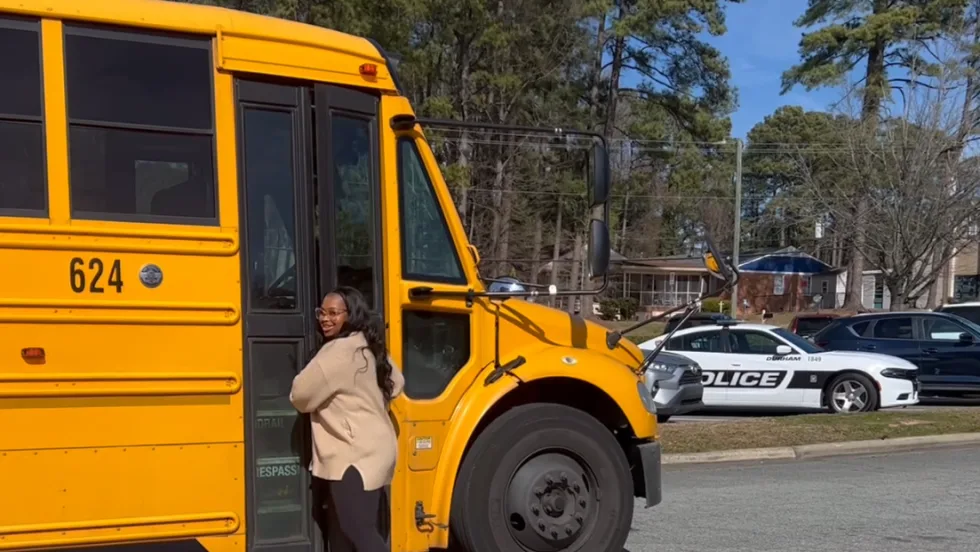
I remain impressed by the matter-of-fact heroism that’s often demonstrated by school bus drivers like Deona Washington who are caught in these situations where the best of us might lose our cool and panic. But, then again, bus drivers are a unique breed.
Read More →
Most applicants sought grant funding to acquire electric school buses, with propane coming in a distant second. No one indicated plans to purchase compressed natural gas (CNG) buses in this round. That’s not terribly surprising, I suppose, given how few school districts listed the inclusion of CNG buses in their fleets for our 2023 top district fleets survey.
Read More →
Calendar pages keep flipping toward the mandates set in states like New York and California to transition their school bus fleets from diesel to zero-emission, but there’s plenty of reluctance and pushback.
Read More →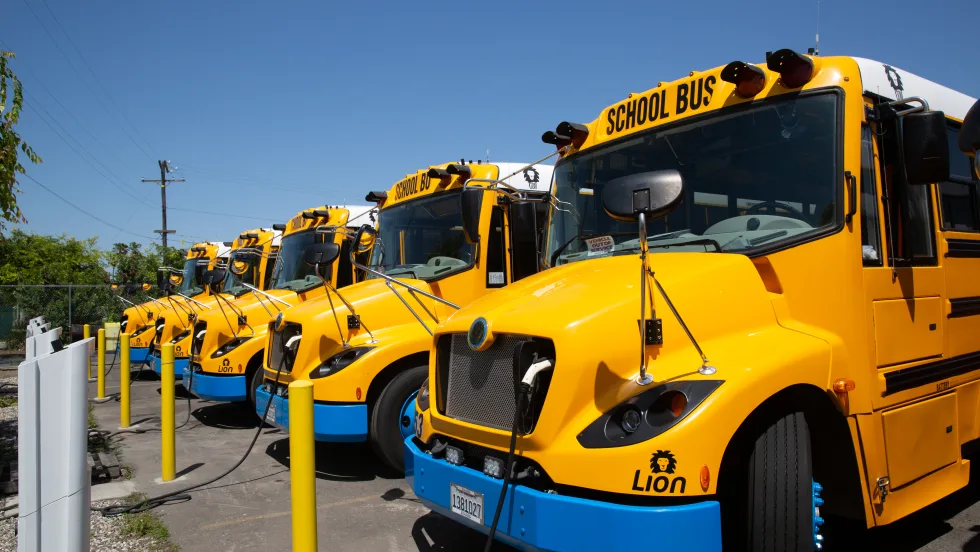
Today, California prides itself on utilizing the most zero-emission (ZE) school buses in the country with over 1,689 being used by California school districts; and while the state is on a positive health trajectory thanks to a decree to eliminate gas and diesel vehicles, more work needs to be done to improve children’s well-being.
Read More →
Bus drivers are the primary caretakers of children during their commute and thus bear responsibility for their safety. By prioritizing proper operating procedures, maintenance checks, and additional precautions, drivers can help avoid the loss of precious young lives under their care.
Read More →