




Retirement Plan Design Insights for Transportation Companies
A certified public accountant offers tips to help transportation companies provide well-designed retirement plan savings programs for drivers and other employees.

Photo by John Horton

Photo by John Horton
The transportation industry faces a unique set of challenges in today’s marketplace. Some of the specific challenges driving the industry today include:
• Concerns over the health and well-being of drivers.
• Aging drivers and staffing shortages.
• Employees not saving enough to meet their financial needs in retirement.
One way the transportation industry can turn these challenges into opportunities is by offering a well-designed retirement plan savings program for drivers and all company employees.
Retirement plan design is complex, requiring help from trusted professionals who understand the complexities, challenges, rewards, and opportunities associated with effective retirement planning. Here are retirement plan design tips regarding the transportation industry trends identified above.
1. Concerns over the health and well-being of drivers
Drivers often face health issues, such as increased risk of motor vehicle and on-the-job accidents, exposure to loud noises and dangerous chemical emissions, and sleep deprivation. Retirement plan design tips to address these concerns include:
• Ensure the disability provisions within the plan document offer a generous definition of what constitutes a “disability” in an effort to protect drivers who may become disabled.
• Design the plan to allow for hardship distributions to cover such items as medical bills.
• Allow disability wage payouts to be included in the definition of plan compensation.
2. Aging drivers and staffing shortages
Staff shortages in the transportation industry are expected to worsen in coming years. The industry has already seen a shift in the average age of drivers, and the upward trend in driver ages is expected to continue to rise.
Employer-sponsored retirement plans have become an important tool for attracting and retaining high-quality employees. Here are several retirement plan design opportunities encouraging young employees to join the workforce, while still supporting more experienced employees:
• Offer plan provisions that allow generous, discretionary employer-matching and profit-sharing contributions in prosperous company years.
• Adopt safe harbor plan provisions that guarantee generous, fully vested employer contributions to employees while also allowing older, long-term employees to contribute larger amounts to the plan.
• Provide catch-up contribution arrangements within the retirement program for employees age 50 and older to make additional plan contributions, and offer employer-matching contributions on catch-up contributions.
3. Employees not saving enough to meet their financial needs in retirement
There is a growing concern among transportation company owners, who have a fiduciary responsibility to the company’s retirement program, that employees are not saving enough for a comfortable, fulfilling retirement. A solid retirement plan program may include some of the following solutions to counteract this growing concern:
• Establish an automatic contribution arrangement within the retirement plan, along with a provision for automatically increasing the contribution percentage each year to encourage more employees to invest and to continuously grow their investment commitment.
• Develop an informative, educational program for all staff to ensure that they have the best information available, which will allow them to feel more comfortable making investment decisions on their own behalf and will aid in increasing enrollment.
• Educate employees — and specifically those who may otherwise avoid investing in the company’s retirement plan due to lack of investment understanding — through utilizing online access to educational webinars, administrative guides, and easy-access websites. This will assist over-the-road drivers and all staff to access their retirement plan information from anywhere.

Diane M. Simpson is a certified public accountant with Smith Schafer & Associates. She has worked extensively with employee benefit plans for more than 20 years. This article is excerpted with permission from the Smith Schafer & Associates website. For more details on retirement plan types, read the full article here.
More Blog Posts

The Sound of Summer Starting [Guest Editorial]
That unmistakable school bus rumble? It carries childhood memories, community routines, and a whole lot of unseen work behind the scenes.
Read More →
The Technology Power Combo That Enables EV Charging on Difficult Sites
As the pace of fleet electrification increases and charging infrastructure continues to pose challenges, many fleets find themselves puzzling over the question: how do I install charging infrastructure faster and more cost-efficiently?
Read More →
Trip Sheet: Farewell, Faithful Readers – Keep on Rolling
Executive Editor Wes Platt offers parting thoughts as he parks the School Bus Fleet bus to focus on ultra-local community journalism, making way for someone else to take the wheel as the pupil transportation industry continues to evolve.
Read More →
Trip Sheet: School Transportation Pros Can Champion Children's Mental Health
Children's Mental Health Awareness Day underscores the significance of school bus drivers in fostering supportive environments during students' journeys. SAMHSA's initiatives, including stigma reduction and access to resources, complement the Biden-Harris administration's funding efforts to enhance youth mental health services and workforce development.
Read More →
Trip Sheet: Is It Time for Daylight Saving Time to Clock Out?
How do you think the potential shift to permanent Daylight Saving Time or standard time would impact our daily lives and routines, especially considering the divided approach across various states?
Read More →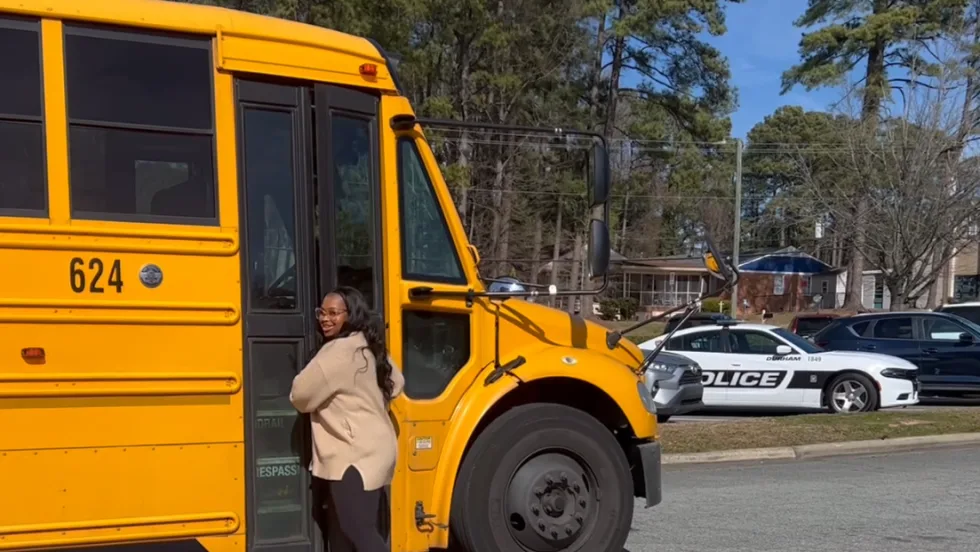
Trip Sheet: Meeting a Hero in My Own Back Yard
I remain impressed by the matter-of-fact heroism that’s often demonstrated by school bus drivers like Deona Washington who are caught in these situations where the best of us might lose our cool and panic. But, then again, bus drivers are a unique breed.
Read More →
Trip Sheet: 3 Takeaways from the EPA Clean School Bus Grant Program
Most applicants sought grant funding to acquire electric school buses, with propane coming in a distant second. No one indicated plans to purchase compressed natural gas (CNG) buses in this round. That’s not terribly surprising, I suppose, given how few school districts listed the inclusion of CNG buses in their fleets for our 2023 top district fleets survey.
Read More →
Trip Sheet: Let's Get Rolling: What's Coming in 2024?
Calendar pages keep flipping toward the mandates set in states like New York and California to transition their school bus fleets from diesel to zero-emission, but there’s plenty of reluctance and pushback.
Read More →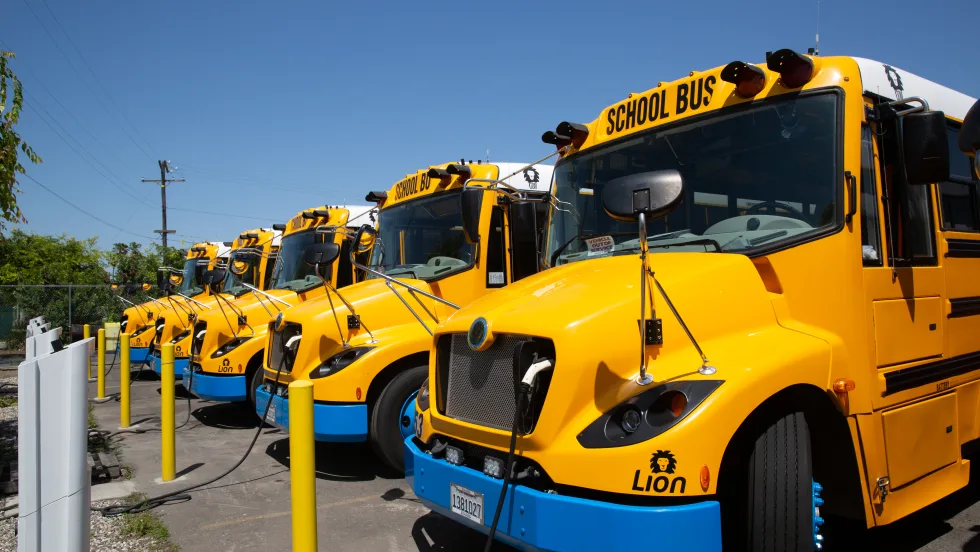
California School Children Ride in Green School Buses
Today, California prides itself on utilizing the most zero-emission (ZE) school buses in the country with over 1,689 being used by California school districts; and while the state is on a positive health trajectory thanks to a decree to eliminate gas and diesel vehicles, more work needs to be done to improve children’s well-being.
Read More →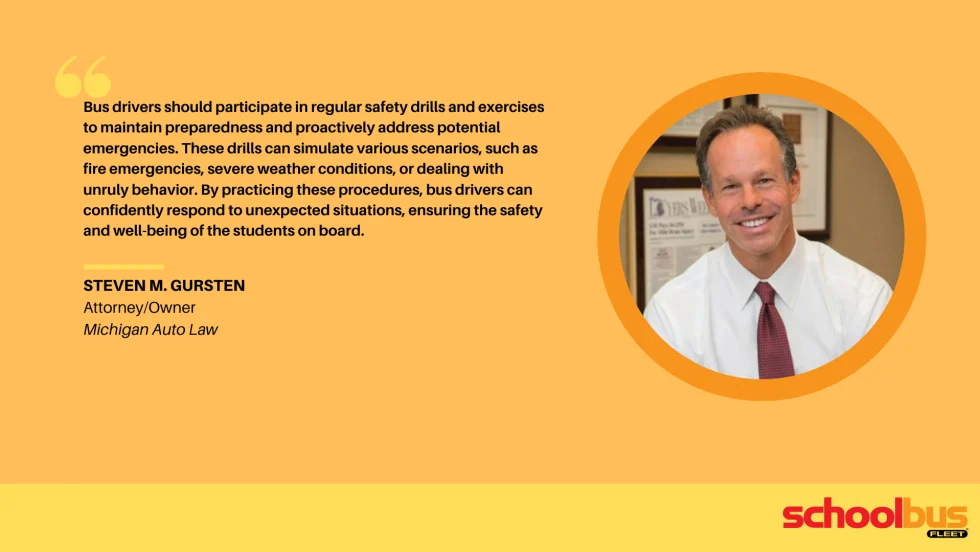
Behind The Wheel of Childrens’ Safety Aboard the School Bus
Bus drivers are the primary caretakers of children during their commute and thus bear responsibility for their safety. By prioritizing proper operating procedures, maintenance checks, and additional precautions, drivers can help avoid the loss of precious young lives under their care.
Read More →