




Pros and cons of starting school before Labor Day
With the 2013-14 school year started for many people, I am reminded of my own days in school. When I was a kid, we started after Labor Day. In doing research on why the school year starts so early, I came across information on both the benefits and drawbacks of a pre-Labor Day start date.
With the 2013-14 school year started for many people, I am reminded of my own days in school. When I was a kid (and also in middle and high school), we started after Labor Day.
I was curious why school has started so early in recent years. I did some research, and while I couldn’t find a definite answer/reason that applies to all school districts, I did come across interesting information.
A 2011 post from GOOD magazine indicates that in the middle of the 20th century, state governments began to standardize the number of days students should be in school and when schools should start. Since most school campuses didn’t have air conditioning during that time, starting the school year in August wasn’t practical. During the 1940s and '50s, starting school after Labor Day became common because temperatures were cooler.
By the 1980s, the first day of school began moving into late August as states mandated longer school years, and the No Child Left Behind Act caused the start of the school year to move up even further, according to the blog post.
A 2011 news story from The Saxon Scope Online reported on the potential for Fairfax County (Va.) Public Schools to start school in August, starting with the 2012-13 school year.
Jack Dale, who was superintendent of the school district at the time, told Saxon Scope Online, “There are several reasons to open schools before Labor Day, the most important of which is to provide additional instructional time for teachers and students before Standards of Learning testing takes place. Our parents and employees are solidly behind making this change. It’s time for the state to address the wishes of our community to start school earlier.”
In doing my research, I also came across several websites dedicated to moving the school year back to its September or post-Labor Day start.
The Coalition for a Traditional School Year argues that starting the school year early “may hurt teacher continuing education efforts and deprive high school students from getting summer work experience. It makes it harder for families to plan vacations, and it leads to more breaks during the school year that are a hardship for single parent and two working parent families."
And the nonprofit coalition Save Alabama Summers argues, among other points, that “when the school year begins in July or early August, many school districts have low student attendance the first few weeks of school.”
My cousin is a language arts and social studies teacher for a school district here in Southern California, and school started at her district on Aug. 13. She believes that the school year should start later, primarily due to the climate where she works.
The school district is located in a city that’s pretty far inland, so it gets extremely hot in the summer — it’s not uncommon for the temperature to reach 105 to 115 degrees. She tells me that even with temperatures like this, students are still required to participate in physical education class outside in the afternoon, which she doesn’t feel is a good practice.
Summer heat is one factor that I can think of that would impact school districts’ transportation departments or bus companies that serve students at this time of year. We at SBF have heard of some pupil transportation operations providing bottled water for their passengers to offer some relief in the heat.
Are there other issues or challenges that your operation encounters as a result of the school year starting earlier than it did in the past?
Do you find that there are benefits to this start time? Share your thoughts below.
Until next time,
Kelly Roher
Managing Editor
More Blog Posts

The Sound of Summer Starting [Guest Editorial]
That unmistakable school bus rumble? It carries childhood memories, community routines, and a whole lot of unseen work behind the scenes.
Read More →
The Technology Power Combo That Enables EV Charging on Difficult Sites
As the pace of fleet electrification increases and charging infrastructure continues to pose challenges, many fleets find themselves puzzling over the question: how do I install charging infrastructure faster and more cost-efficiently?
Read More →
Trip Sheet: Farewell, Faithful Readers – Keep on Rolling
Executive Editor Wes Platt offers parting thoughts as he parks the School Bus Fleet bus to focus on ultra-local community journalism, making way for someone else to take the wheel as the pupil transportation industry continues to evolve.
Read More →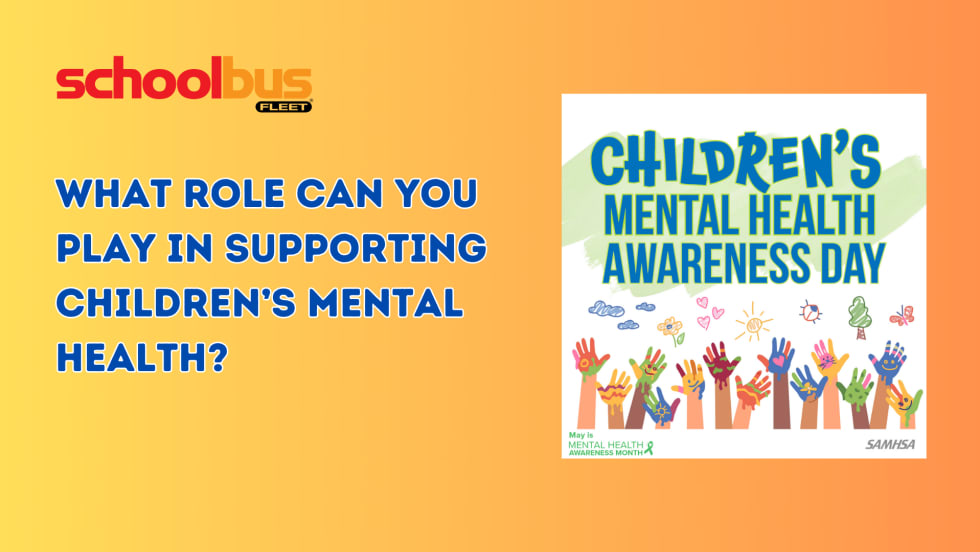
Trip Sheet: School Transportation Pros Can Champion Children's Mental Health
Children's Mental Health Awareness Day underscores the significance of school bus drivers in fostering supportive environments during students' journeys. SAMHSA's initiatives, including stigma reduction and access to resources, complement the Biden-Harris administration's funding efforts to enhance youth mental health services and workforce development.
Read More →
Trip Sheet: Is It Time for Daylight Saving Time to Clock Out?
How do you think the potential shift to permanent Daylight Saving Time or standard time would impact our daily lives and routines, especially considering the divided approach across various states?
Read More →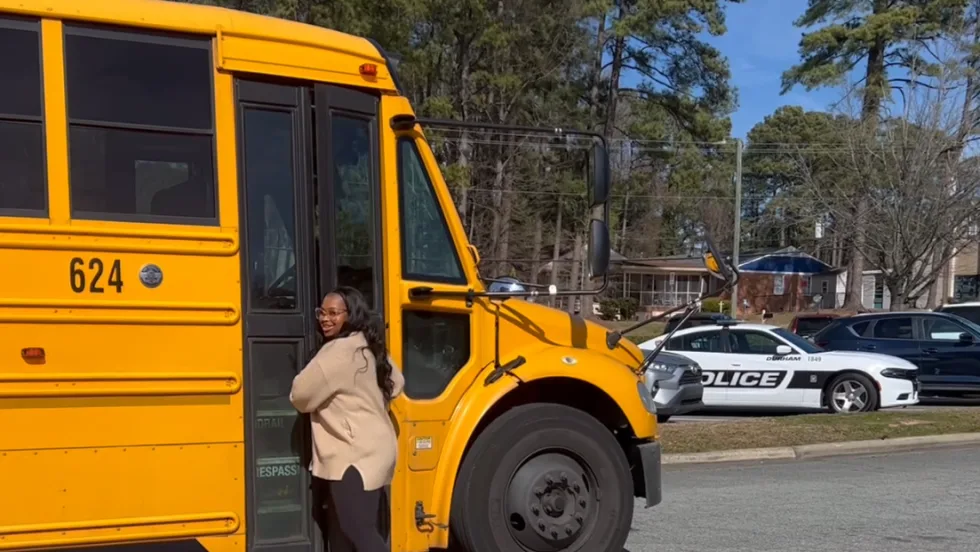
Trip Sheet: Meeting a Hero in My Own Back Yard
I remain impressed by the matter-of-fact heroism that’s often demonstrated by school bus drivers like Deona Washington who are caught in these situations where the best of us might lose our cool and panic. But, then again, bus drivers are a unique breed.
Read More →
Trip Sheet: 3 Takeaways from the EPA Clean School Bus Grant Program
Most applicants sought grant funding to acquire electric school buses, with propane coming in a distant second. No one indicated plans to purchase compressed natural gas (CNG) buses in this round. That’s not terribly surprising, I suppose, given how few school districts listed the inclusion of CNG buses in their fleets for our 2023 top district fleets survey.
Read More →
Trip Sheet: Let's Get Rolling: What's Coming in 2024?
Calendar pages keep flipping toward the mandates set in states like New York and California to transition their school bus fleets from diesel to zero-emission, but there’s plenty of reluctance and pushback.
Read More →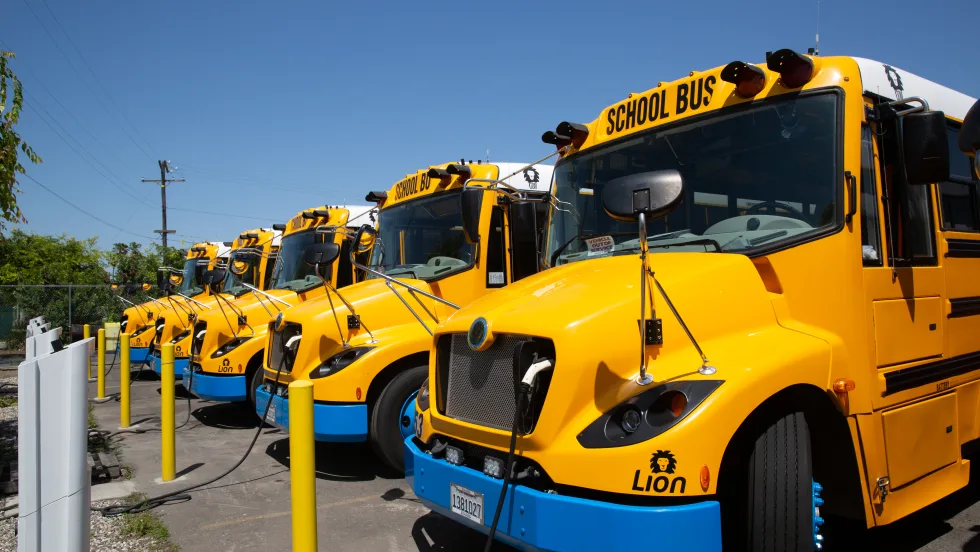
California School Children Ride in Green School Buses
Today, California prides itself on utilizing the most zero-emission (ZE) school buses in the country with over 1,689 being used by California school districts; and while the state is on a positive health trajectory thanks to a decree to eliminate gas and diesel vehicles, more work needs to be done to improve children’s well-being.
Read More →
Behind The Wheel of Childrens’ Safety Aboard the School Bus
Bus drivers are the primary caretakers of children during their commute and thus bear responsibility for their safety. By prioritizing proper operating procedures, maintenance checks, and additional precautions, drivers can help avoid the loss of precious young lives under their care.
Read More →