




Operations take action to cut costs
It’s no secret that pupil transportation operations around the nation are contending with budget cuts due to the challenging economic climate. In the last few months, we’ve learned about a variety of efforts that school districts and transportation departments have implemented to alleviate the strain of this circumstance by cutting costs.
It’s no secret that pupil transportation operations around the nation are contending with budget cuts due to the challenging economic climate.
In the last few months, we’ve learned about a variety of efforts that school districts and transportation departments have implemented to alleviate the strain of this circumstance by cutting costs. Poway (Calif.) Unified School District is slated to save $100,000 by the end of this school year under field trip initiatives developed by Director of Transportation Timothy Purvis.
In February, Seattle Public Schools’ board approved changes to the district’s transportation plan that will start with the 2011-12 school year. The plan creates new neighborhood-based transportation zones aimed at streamlining bus routes for attendance-area elementary and K-8 schools. Officials estimate that the plan will save the school district a total of $8 million.
Most recently, we reported that Clark County School District in Las Vegas is changing the start time for 139 schools, beginning in August with the 2011-12 school year.
The changes were made in response to $411 million in proposed budget cuts. District officials said the changes will result in increased efficiency in school bus routes and a savings of $10 million.
As part of the restructuring of school start times, approximately 200 buses and routes will be cut from the current fleet of 1,500. The change represents a 200-driver reduction out of the approximate 1,350 drivers employed by the district, with approximately 75 positions currently vacant. The district hopes to address most of the cuts through attrition and vacant positions. Maintaining the 200 routes, combined with rising fuel prices, would have resulted in greater costs, officials said.
Finally, by having bus drivers complete more routes during their shift, all drivers will be fully utilized and scheduled in an efficient way. The change will also help reduce the district’s annual bus replacement cost.
I’m interested to learn what practices or efforts you’ve implemented at your operation to cut costs and/or generate revenue. Post a comment below or send an e-mail to info@schoolbusfleet.com.
Until next time,
Kelly Roher
Managing Editor
More Blog Posts

'I’m a School Bus Driver, You Can Trust Me'
A crowded Cleveland parking lot, a full-size pickup, and five unexpected words turned a stressful moment into a reminder of just how much trust we place in school bus drivers every day.
Read More →
The Sound of Summer Starting [Guest Editorial]
That unmistakable school bus rumble? It carries childhood memories, community routines, and a whole lot of unseen work behind the scenes.
Read More →
The Technology Power Combo That Enables EV Charging on Difficult Sites
As the pace of fleet electrification increases and charging infrastructure continues to pose challenges, many fleets find themselves puzzling over the question: how do I install charging infrastructure faster and more cost-efficiently?
Read More →
Trip Sheet: Farewell, Faithful Readers – Keep on Rolling
Executive Editor Wes Platt offers parting thoughts as he parks the School Bus Fleet bus to focus on ultra-local community journalism, making way for someone else to take the wheel as the pupil transportation industry continues to evolve.
Read More →
Trip Sheet: School Transportation Pros Can Champion Children's Mental Health
Children's Mental Health Awareness Day underscores the significance of school bus drivers in fostering supportive environments during students' journeys. SAMHSA's initiatives, including stigma reduction and access to resources, complement the Biden-Harris administration's funding efforts to enhance youth mental health services and workforce development.
Read More →
Trip Sheet: Is It Time for Daylight Saving Time to Clock Out?
How do you think the potential shift to permanent Daylight Saving Time or standard time would impact our daily lives and routines, especially considering the divided approach across various states?
Read More →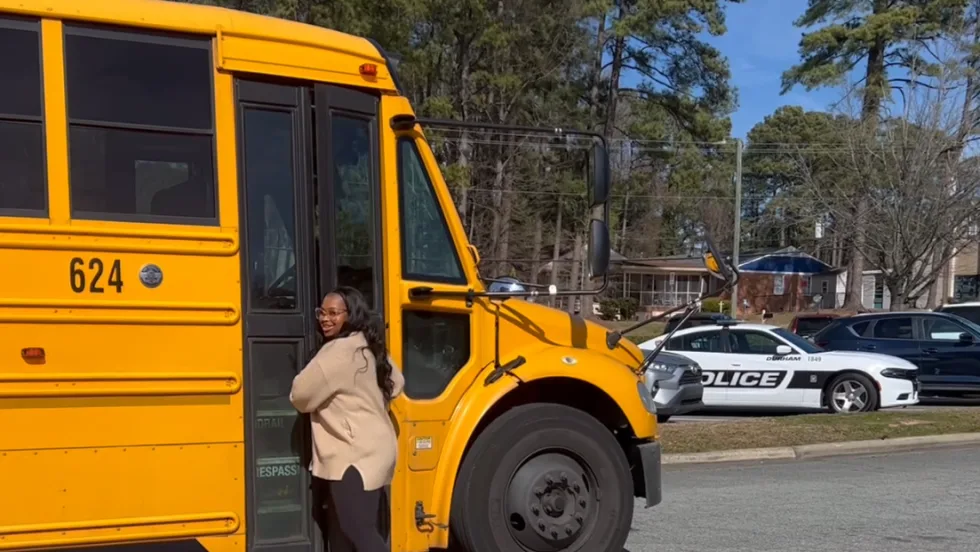
Trip Sheet: Meeting a Hero in My Own Back Yard
I remain impressed by the matter-of-fact heroism that’s often demonstrated by school bus drivers like Deona Washington who are caught in these situations where the best of us might lose our cool and panic. But, then again, bus drivers are a unique breed.
Read More →
Trip Sheet: 3 Takeaways from the EPA Clean School Bus Grant Program
Most applicants sought grant funding to acquire electric school buses, with propane coming in a distant second. No one indicated plans to purchase compressed natural gas (CNG) buses in this round. That’s not terribly surprising, I suppose, given how few school districts listed the inclusion of CNG buses in their fleets for our 2023 top district fleets survey.
Read More →
Trip Sheet: Let's Get Rolling: What's Coming in 2024?
Calendar pages keep flipping toward the mandates set in states like New York and California to transition their school bus fleets from diesel to zero-emission, but there’s plenty of reluctance and pushback.
Read More →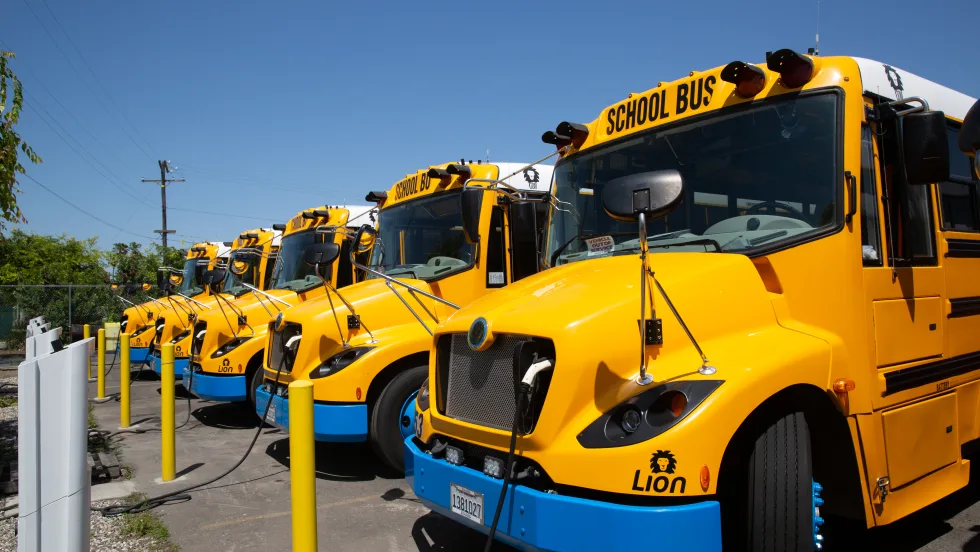
California School Children Ride in Green School Buses
Today, California prides itself on utilizing the most zero-emission (ZE) school buses in the country with over 1,689 being used by California school districts; and while the state is on a positive health trajectory thanks to a decree to eliminate gas and diesel vehicles, more work needs to be done to improve children’s well-being.
Read More →