




Did You See: New WRI Dashboard Collecting Data on Electric School Buses
NSTA Advocacy in Action: The Status of the Electric Vehicle Debate in the United States
One concern that is not being addressed is that we are putting all our efforts towards electricity, and having a singular power system could leave us with no backups or alternatives in the future.
by Dan Kobussen, NSTA President
November 16, 2023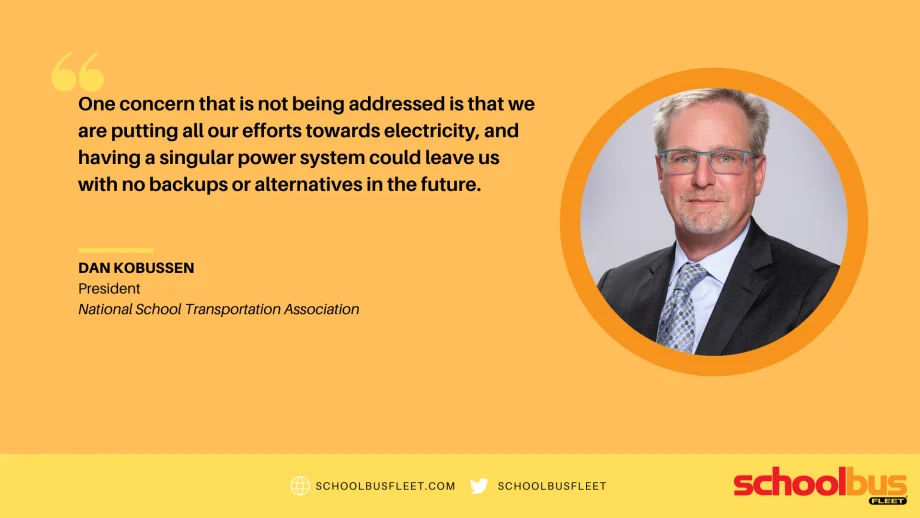
Image: Canva/NSTA
3 min to read
When people find out that I work in/own a school bus contracting business, the conversation sometimes turns to vehicle electrification.
Right now, most people in Wisconsin think that it will be a long time before they consider purchasing an electric vehicle (EV). This mindset comes from the long and cold winters that we must endure. Tops on their list of concerns are long charging times, range anxiety, and lack of power grid/charging. From these conversations, I realize that the public doesn’t really see the whole EV ecosystem. They seem to focus on the weakest link or the strongest link, but there are many parts that make EV an interesting proposition.
Charging times and range anxiety are current issues that can and will be solved over time, and battery technology will evolve, and become better and easier. This evolution will occur like the cellphone charging and capacity has over the years. For example, USB-C charges 2.5 times faster than USB-A. The short-term challenge for buses, and some cars, is getting software from utilities, the charging station, and having the bus/car to all talk to one another and to be user-friendly enough to be managed efficiently. Another common issue with new technology is that the current technology will become outdated quickly. Like the 30-pin Apple connector and the iconic flip phone, current tech will eventually become obsolete.
The government CAFÉ rules on cars, buses, and trucks have always been about setting a limit of carbon emissions and then allowing the free market to figure out how to get there. However, today it feels like we are being mandated by the government that EVs are the only solution. Additionally, the auto/bus/truck industry is being touted as the reason for climate change, but this area only represents 13% of greenhouse gases. The other 87% is mostly from public utilities that generate the same power we want to convert to; and many of these sources are only now beginning to be regulated.
Right now, the power grid, or the infrastructure around it, may not be able to handle the increased need for power, however, even if we burn coal, or natural gas at the power plant, it can be controlled, and the pollution controls can be put on one location as opposed to millions of individual vehicles and engines.
One concern that is not being addressed is that we are putting all our efforts towards electricity, and having a singular power system could leave us with no backups or alternatives in the future. A few years ago, when an ice storm hit Texas, it brought down power lines, and the event nearly collapsed the state’s entire power grid due to peak demand. Fortunately, most people still had internal combustion engine (ICE) cars as backup power sources. For us to move forward nationally, these questions and concerns must be addressed by policymakers in a transparent manner.
Keep in mind that electric motors are 85% efficient, compared to 40% efficient for ICE. It’s the power source or in this case, the holder of power, or the battery that is the technological issue. EV drive trains are much simpler, requiring less maintenance and less parts. However, the electronics and software issues are complicated and will become more complicated with time. Mitchell International reports that it is more expensive to repair an EV than an ICE car, and part of the reason is that EV’s require a lot more OEM parts than ICE cars. In time, the replacement parts industry will move from ICE to EV cars.
Software-Defined Vehicles (SDV) will limit the number of chips and reduce diagnostic times, so there are clearly benefits to the movement to electric vehicles. The question is at what pace should the evolution occur?
I welcome your feedback as I take time over the next few months to write about the EV movement and what it means for student transportation and the country. Please reach out to me at president@yellowbuses.org on this or any other matter important to you.
Subscribe to Our Newsletter
More Blog Posts

The Sound of Summer Starting [Guest Editorial]
That unmistakable school bus rumble? It carries childhood memories, community routines, and a whole lot of unseen work behind the scenes.
Read More →
The Technology Power Combo That Enables EV Charging on Difficult Sites
As the pace of fleet electrification increases and charging infrastructure continues to pose challenges, many fleets find themselves puzzling over the question: how do I install charging infrastructure faster and more cost-efficiently?
Read More →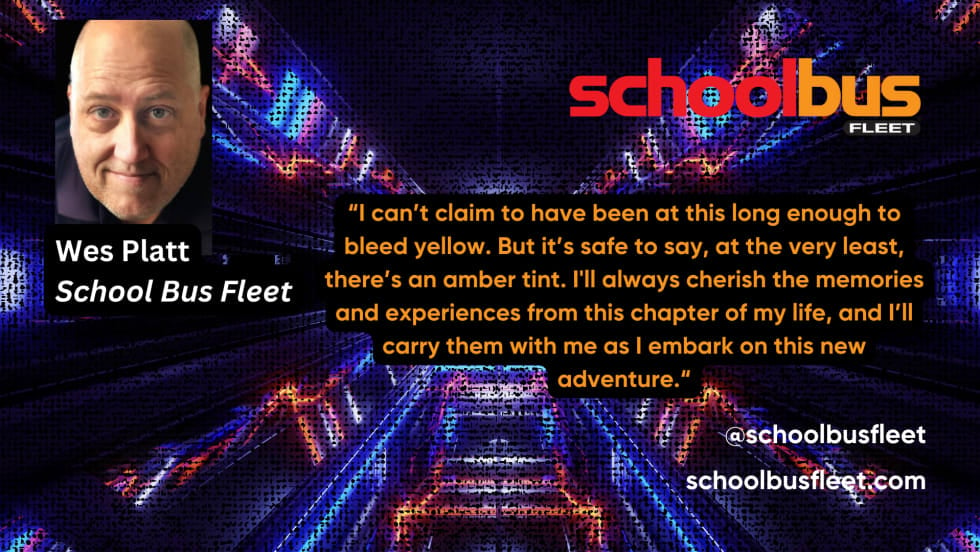
Trip Sheet: Farewell, Faithful Readers – Keep on Rolling
Executive Editor Wes Platt offers parting thoughts as he parks the School Bus Fleet bus to focus on ultra-local community journalism, making way for someone else to take the wheel as the pupil transportation industry continues to evolve.
Read More →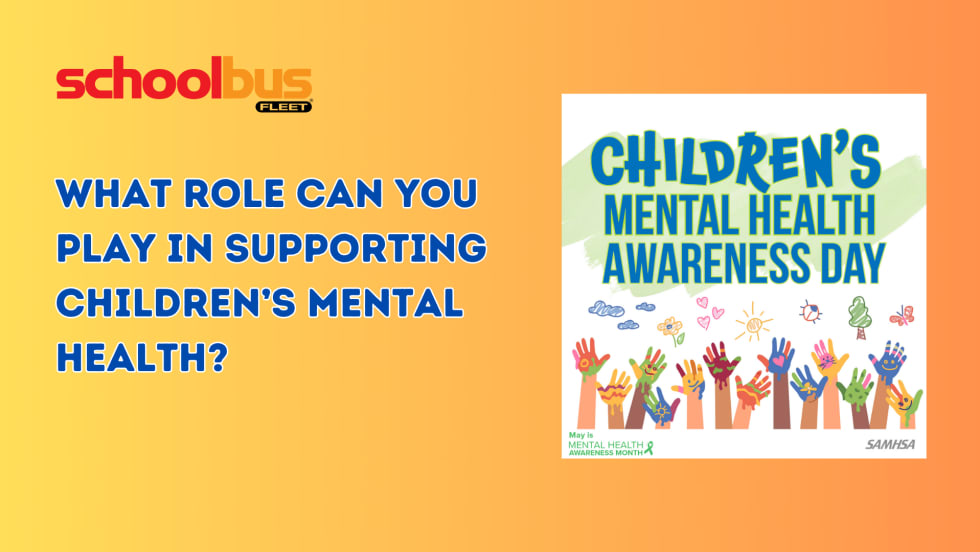
Trip Sheet: School Transportation Pros Can Champion Children's Mental Health
Children's Mental Health Awareness Day underscores the significance of school bus drivers in fostering supportive environments during students' journeys. SAMHSA's initiatives, including stigma reduction and access to resources, complement the Biden-Harris administration's funding efforts to enhance youth mental health services and workforce development.
Read More →
Trip Sheet: Is It Time for Daylight Saving Time to Clock Out?
How do you think the potential shift to permanent Daylight Saving Time or standard time would impact our daily lives and routines, especially considering the divided approach across various states?
Read More →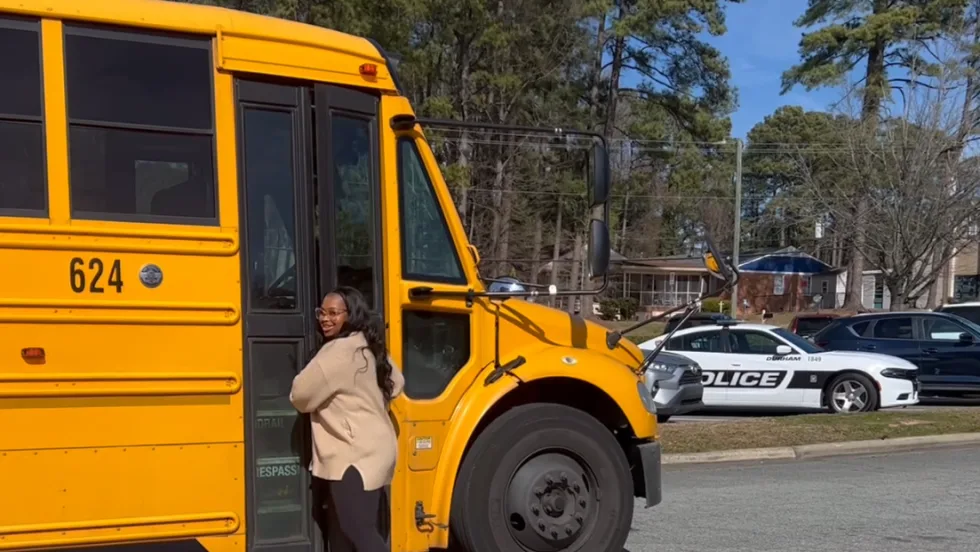
Trip Sheet: Meeting a Hero in My Own Back Yard
I remain impressed by the matter-of-fact heroism that’s often demonstrated by school bus drivers like Deona Washington who are caught in these situations where the best of us might lose our cool and panic. But, then again, bus drivers are a unique breed.
Read More →
Trip Sheet: 3 Takeaways from the EPA Clean School Bus Grant Program
Most applicants sought grant funding to acquire electric school buses, with propane coming in a distant second. No one indicated plans to purchase compressed natural gas (CNG) buses in this round. That’s not terribly surprising, I suppose, given how few school districts listed the inclusion of CNG buses in their fleets for our 2023 top district fleets survey.
Read More →
Trip Sheet: Let's Get Rolling: What's Coming in 2024?
Calendar pages keep flipping toward the mandates set in states like New York and California to transition their school bus fleets from diesel to zero-emission, but there’s plenty of reluctance and pushback.
Read More →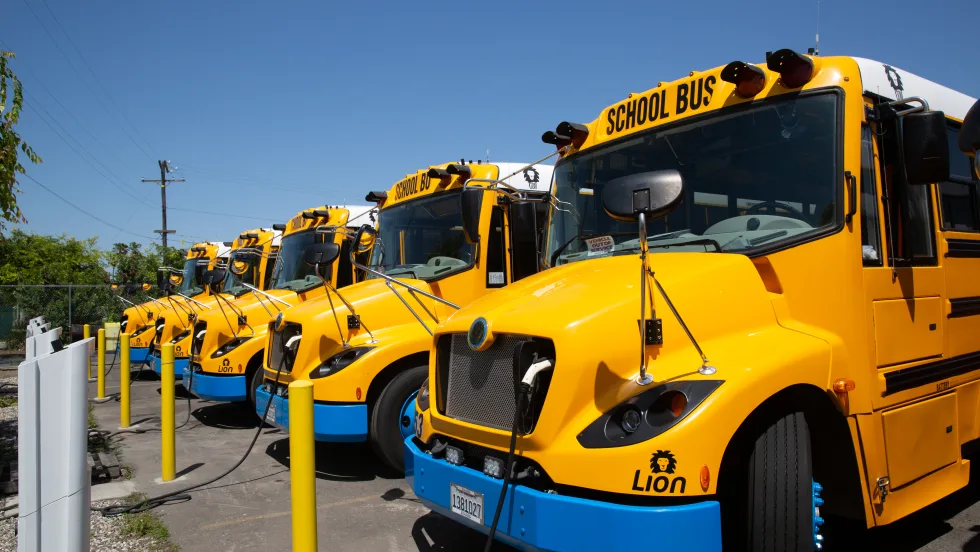
California School Children Ride in Green School Buses
Today, California prides itself on utilizing the most zero-emission (ZE) school buses in the country with over 1,689 being used by California school districts; and while the state is on a positive health trajectory thanks to a decree to eliminate gas and diesel vehicles, more work needs to be done to improve children’s well-being.
Read More →
Behind The Wheel of Childrens’ Safety Aboard the School Bus
Bus drivers are the primary caretakers of children during their commute and thus bear responsibility for their safety. By prioritizing proper operating procedures, maintenance checks, and additional precautions, drivers can help avoid the loss of precious young lives under their care.
Read More →