




Never forget the danger of leaving a child behind
The death of autistic student Paul Lee, who was left on his school bus, is a tragic reminder of the importance of thoroughly checking every bus after every run.


Thomas McMahon is executive editor of School Bus Fleet.
If you monitor the nation’s media outlets for school bus news, as we do here at SBF, you’ll occasionally see stories about students being left unattended on school buses.
These incidents are relatively rare, considering that more than 25 million children in the U.S. are transported daily on yellow buses. But when they do happen, they put kids at risk and often lead to termination for the school bus driver.
Over the years, we’ve reported on many incidents of students being left stranded on school buses. We’ve published feature articles with tips on how to prevent these incidents — in fact, there is just such an article in our new October issue (“10 Tips to Bolster Bus Checks for Sleepers”).
In some cases, children are left alone on a bus for multiple hours. These incidents are traumatic for the child and his or her parents, but they typically haven’t resulted in serious physical harm to the child.
Tragically, the outcome was much worse on a school bus in Whittier, California, on Sept. 11 — already an infamous date. As previously reported, Hun Joon “Paul” Lee died after being left stranded on his school bus on a day when temperatures climbed into triple digits in some areas.
As of this writing, the autopsy on Lee has not yet been released, and officials have not yet confirmed exactly how long the autistic 19-year-old was left on the bus (his family members have told local media that they believe he was stranded for about nine hours).
What is clear is that the school bus driver did not find Lee on the bus when he should have — in a post-trip check of the bus.
There are various measures that school bus operations can implement to ensure that students aren’t left behind on their buses, but none of these measures is foolproof. The key is to implement multiple measures — to build in redundancy.
For example, drivers can be required to conduct two checks per run: one when the bus becomes empty and another upon returning to the depot. Electronic child-reminder systems can be installed on buses, or simpler devices like a “BUS EMPTY” sign can be hung in the rear window of the bus. Managers can issue frequent reminders on the topic, and they can be visible in the yard when checks are being done.
A spokesperson for the Pupil Transportation Cooperative, the operator of Lee’s bus, told reporters in a news conference that the agency is enhancing its safety procedures, including having two staff members check each bus for students and implementing an electronic child-check system.
As Wave Wire Services reported, the spokesperson called the tragedy “a teachable moment for this organization.”
In fact, the tragedy can be a teachable moment for all school bus operations. Lee’s death can serve as a poignant reminder of the importance of thoroughly checking every school bus after every run.
As a nation, we’ve already committed to “never forget” the terrorist attacks of Sept. 11, 2001. Now, the pupil transportation community must never forget the death of Paul Lee on Sept. 11, 2015.
More Blog Posts
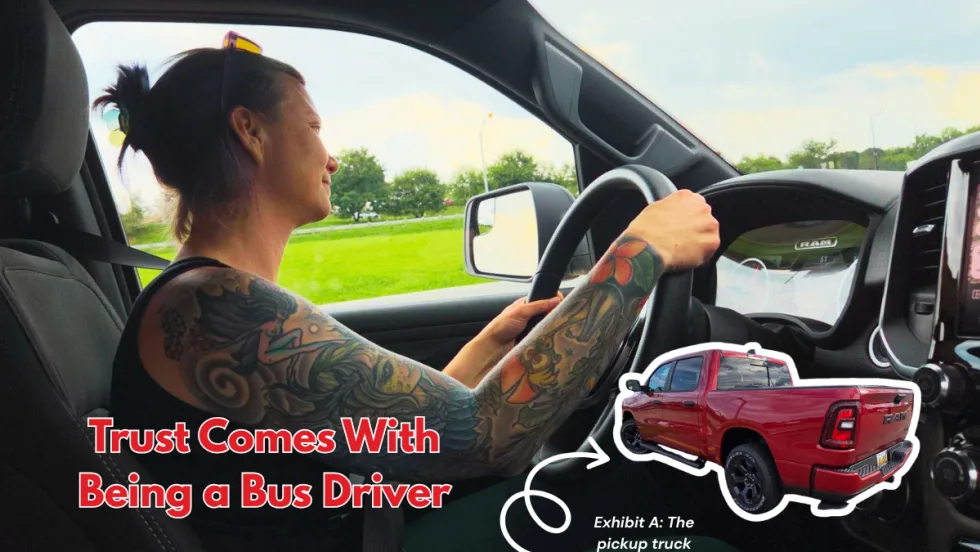
'I’m a School Bus Driver, You Can Trust Me'
A crowded Cleveland parking lot, a full-size pickup, and five unexpected words turned a stressful moment into a reminder of just how much trust we place in school bus drivers every day.
Read More →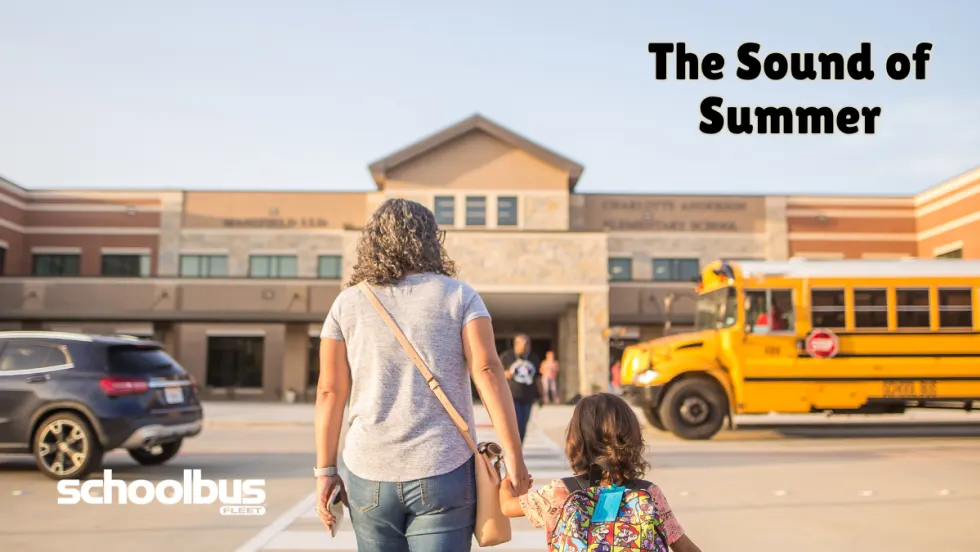
The Sound of Summer Starting [Guest Editorial]
That unmistakable school bus rumble? It carries childhood memories, community routines, and a whole lot of unseen work behind the scenes.
Read More →
The Technology Power Combo That Enables EV Charging on Difficult Sites
As the pace of fleet electrification increases and charging infrastructure continues to pose challenges, many fleets find themselves puzzling over the question: how do I install charging infrastructure faster and more cost-efficiently?
Read More →
Trip Sheet: Farewell, Faithful Readers – Keep on Rolling
Executive Editor Wes Platt offers parting thoughts as he parks the School Bus Fleet bus to focus on ultra-local community journalism, making way for someone else to take the wheel as the pupil transportation industry continues to evolve.
Read More →
Trip Sheet: School Transportation Pros Can Champion Children's Mental Health
Children's Mental Health Awareness Day underscores the significance of school bus drivers in fostering supportive environments during students' journeys. SAMHSA's initiatives, including stigma reduction and access to resources, complement the Biden-Harris administration's funding efforts to enhance youth mental health services and workforce development.
Read More →
Trip Sheet: Is It Time for Daylight Saving Time to Clock Out?
How do you think the potential shift to permanent Daylight Saving Time or standard time would impact our daily lives and routines, especially considering the divided approach across various states?
Read More →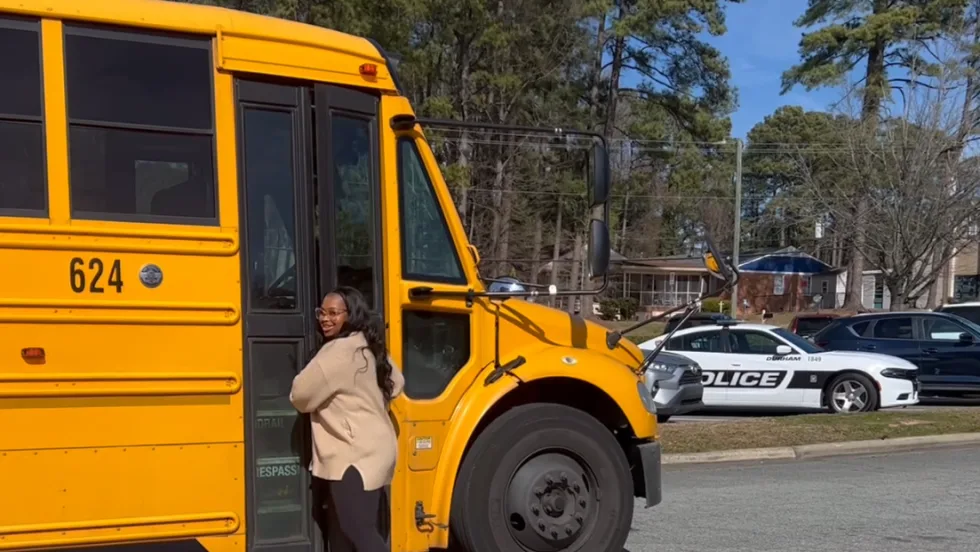
Trip Sheet: Meeting a Hero in My Own Back Yard
I remain impressed by the matter-of-fact heroism that’s often demonstrated by school bus drivers like Deona Washington who are caught in these situations where the best of us might lose our cool and panic. But, then again, bus drivers are a unique breed.
Read More →
Trip Sheet: 3 Takeaways from the EPA Clean School Bus Grant Program
Most applicants sought grant funding to acquire electric school buses, with propane coming in a distant second. No one indicated plans to purchase compressed natural gas (CNG) buses in this round. That’s not terribly surprising, I suppose, given how few school districts listed the inclusion of CNG buses in their fleets for our 2023 top district fleets survey.
Read More →
Trip Sheet: Let's Get Rolling: What's Coming in 2024?
Calendar pages keep flipping toward the mandates set in states like New York and California to transition their school bus fleets from diesel to zero-emission, but there’s plenty of reluctance and pushback.
Read More →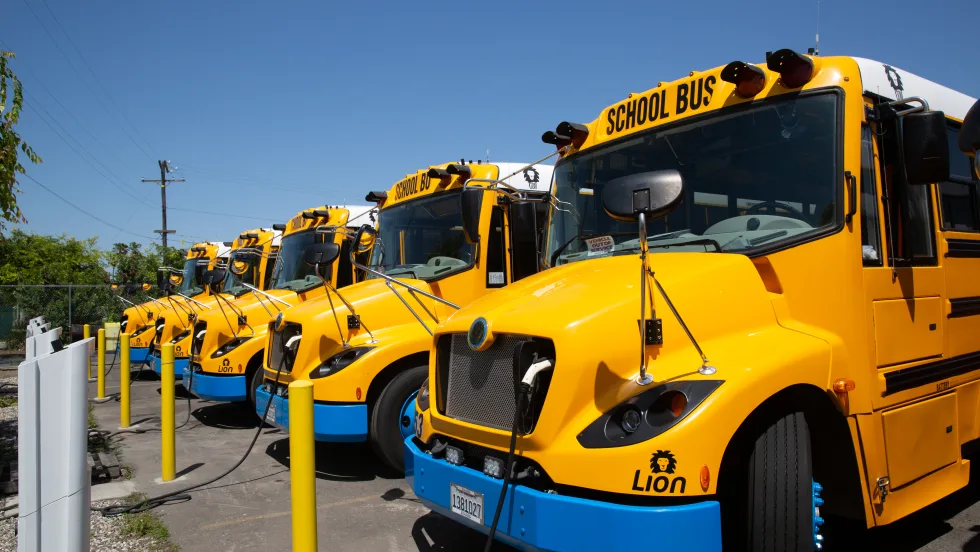
California School Children Ride in Green School Buses
Today, California prides itself on utilizing the most zero-emission (ZE) school buses in the country with over 1,689 being used by California school districts; and while the state is on a positive health trajectory thanks to a decree to eliminate gas and diesel vehicles, more work needs to be done to improve children’s well-being.
Read More →