





Are You Signing Up? Check Out: EPA Clean School Bus Program Rebate Portal Now Open
Low Voltage Ahead for Zero-Emission Rebate Plan?
The EPA has indicated that the next phase of the program may be more focused on grants rather than rebates, which might be more appealing to school districts across the financial spectrum. But even if they hand out millions of up-front dollars to buy new electric buses, it can be a risky investment without proper planning.
June 8, 2022
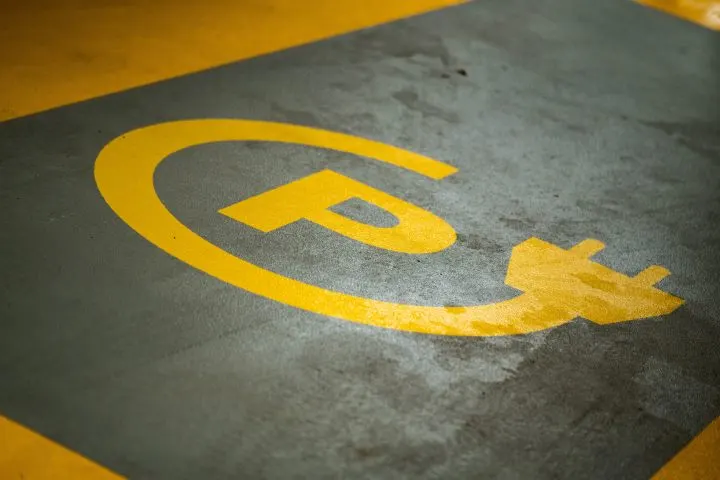
EPA officials chose the rebate option for this first phase because it’s quick to roll out and they can streamline the application and selection process.
Photo: Michael Fousert via Unsplash
3 min to read
Maybe it’s time to temper our expectations for year one of the Clean School Bus program.
I can’t deny that it’s exciting to hear plans to spend billions of dollars over the next five years to convert school bus fleets to low- and zero-emission vehicles. If we could get zero-emission *flying* school buses, I’d be cheering. I’m undeniably jazzed by the new technology rolling out these days.
But you can almost hear the party favor noisemaker deflating with a hiss when we get to the part where the first phase involves rebates.
Under this initial stage, the Environmental Protection Agency wants school districts or the contractors with whom they partner to front the expense of buying new buses and the infrastructure needed to serve them, with the promise of reimbursement later.
That’s a lot to ask of many school districts – perhaps especially the rural districts that the federal program aims to prioritize for rebate opportunities.
In a recent episode of The Route, titled “Clean Start Ahead,” I took a dive into some details of the EPA’s rebate program based on a webinar hosted by the agency. EPA officials chose the rebate option for this first phase because it’s quick to roll out and they can streamline the application and selection process. They also suggested that fleets get rebate money faster, but really that depends on whether the pupil transportation director can get funds from the school district to spend before seeking reimbursement from the EPA.
The rebate program specifically prioritizes high-need school districts and low-income areas, rural school districts, and tribal school districts – home to schools that don’t traditionally receive an abundance of financial resources for the actual education of students, let alone investment in new equipment, infrastructure, and technical training.
So, pay now, get repaid later might be too much of a reach.
The EPA has indicated that the next phase of the program may be more focused on grants rather than rebates, which might be more appealing to school districts across the financial spectrum. But even if they hand out millions of up-front dollars to buy new electric, propane, or low-emission diesel buses, it can be a risky investment without proper planning.
Christiane Walker, an engineering consultant for the Center for Transportation and the Environment, wrote in a guest blog post for School Bus Fleet that the EPA should follow the example set by the Federal Transit Administration (FTA) as it has built the zero-emission transit market. The FTA, she wrote, supported zero-emission development from prototype to demonstration to small-scale deployments and full fleet transitions.
“Small deployments prompted bus OEMs to scale up production of vehicles while allowing transit agencies to learn about the technologies through manageable deployment projects,” Walker wrote. “Most importantly, these deployments were supported with funding for technical assistance. Transit agencies were encouraged to contract with industry experts to provide cost analysis, route modeling, infrastructure planning, and other technical assistance services.”
The EPA’s current approach with rebates, on the other hand, leaves the CTE “concerned about the ability of under-resourced school districts to access the funding and about the ability of all school bus operators to receive proper technical support for deploying a complex and unfamiliar new technology.”
“As we have found through our experience with the zero-emission transit industry, simply providing capital for vehicle acquisition is not enough for successful zero-emission vehicle deployments,” Walker wrote.
Fair concerns, especially when school districts are tasked with spending taxpayer dollars on these projects.
Subscribe to Our Newsletter
More Blog Posts

The Sound of Summer Starting [Guest Editorial]
That unmistakable school bus rumble? It carries childhood memories, community routines, and a whole lot of unseen work behind the scenes.
Read More →
The Technology Power Combo That Enables EV Charging on Difficult Sites
As the pace of fleet electrification increases and charging infrastructure continues to pose challenges, many fleets find themselves puzzling over the question: how do I install charging infrastructure faster and more cost-efficiently?
Read More →
Trip Sheet: Farewell, Faithful Readers – Keep on Rolling
Executive Editor Wes Platt offers parting thoughts as he parks the School Bus Fleet bus to focus on ultra-local community journalism, making way for someone else to take the wheel as the pupil transportation industry continues to evolve.
Read More →
Trip Sheet: School Transportation Pros Can Champion Children's Mental Health
Children's Mental Health Awareness Day underscores the significance of school bus drivers in fostering supportive environments during students' journeys. SAMHSA's initiatives, including stigma reduction and access to resources, complement the Biden-Harris administration's funding efforts to enhance youth mental health services and workforce development.
Read More →
Trip Sheet: Is It Time for Daylight Saving Time to Clock Out?
How do you think the potential shift to permanent Daylight Saving Time or standard time would impact our daily lives and routines, especially considering the divided approach across various states?
Read More →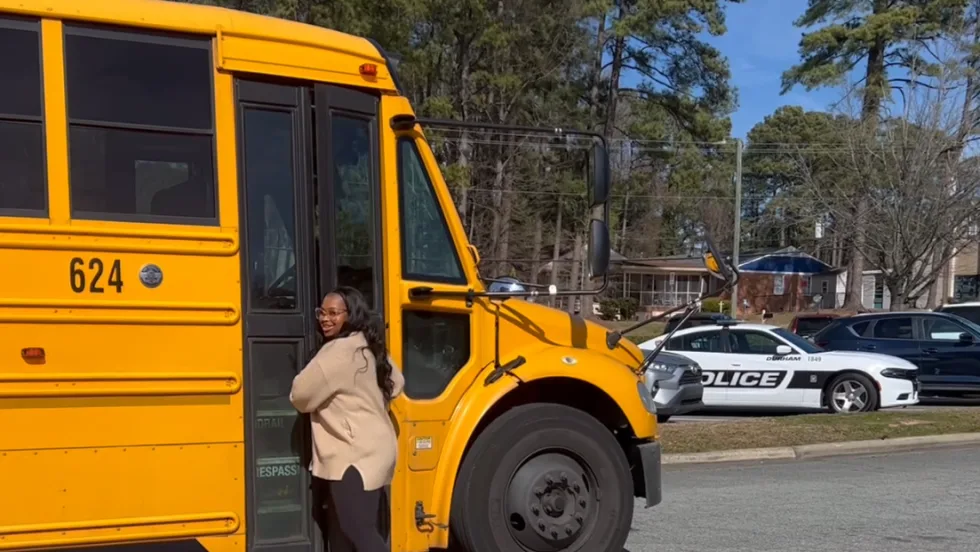
Trip Sheet: Meeting a Hero in My Own Back Yard
I remain impressed by the matter-of-fact heroism that’s often demonstrated by school bus drivers like Deona Washington who are caught in these situations where the best of us might lose our cool and panic. But, then again, bus drivers are a unique breed.
Read More →
Trip Sheet: 3 Takeaways from the EPA Clean School Bus Grant Program
Most applicants sought grant funding to acquire electric school buses, with propane coming in a distant second. No one indicated plans to purchase compressed natural gas (CNG) buses in this round. That’s not terribly surprising, I suppose, given how few school districts listed the inclusion of CNG buses in their fleets for our 2023 top district fleets survey.
Read More →
Trip Sheet: Let's Get Rolling: What's Coming in 2024?
Calendar pages keep flipping toward the mandates set in states like New York and California to transition their school bus fleets from diesel to zero-emission, but there’s plenty of reluctance and pushback.
Read More →
California School Children Ride in Green School Buses
Today, California prides itself on utilizing the most zero-emission (ZE) school buses in the country with over 1,689 being used by California school districts; and while the state is on a positive health trajectory thanks to a decree to eliminate gas and diesel vehicles, more work needs to be done to improve children’s well-being.
Read More →
Behind The Wheel of Childrens’ Safety Aboard the School Bus
Bus drivers are the primary caretakers of children during their commute and thus bear responsibility for their safety. By prioritizing proper operating procedures, maintenance checks, and additional precautions, drivers can help avoid the loss of precious young lives under their care.
Read More →