





The takeaway for school bus drivers is this: Remember that the children on your bus are also facing invisible struggles and handling big emotions without the maturity to process them. When students act out, don’t take it personally or assume there’s something “wrong” with them. Approach them with the same compassion and curiosity you would an adult.
Leading with Compassion & Curiosity
What if the story you're telling yourself isn't true? Learning about emotional intelligence can improve communication and culture in school transportation and beyond.
August 18, 2026

An interview with an emotional intelligence coach inspired me to rethink assumptions, embrace curiosity, and lead with greater compassion.
Credit:
School Bus Fleet
4 min to read
- Examining personal narratives is crucial to understanding and addressing potential misconceptions.
- Emotional intelligence is a key factor in enhancing communication and fostering a positive environment.
- Implementing emotional intelligence strategies can benefit school transportation and extend to other areas.
*Summarized by AI
You know, I didn’t intend on writing two back-to-back columns about personal development, but here we are anyway. After all, our industry produces really good speakers with messages that give me the kind of reset (and by that I mean slap in the face) I didn’t know I needed.
The newest revelation started at NAPT last year and blossomed this summer. At the ACTS trade show, I saw a woman behind a booth and felt called to say hello. When I started talking to her, something started to make sense.
Kellie Doyle Bailey is an emotional intelligence coach who has transformed what she learned about social-emotional learning and brain science into a training program just for school transportation teams, as well as a series of books for both kids and adults. And behind all of it is a simple mindset shift that can work wonders in how we show up in the workplace.
I wanted to dig deeper into what this means in practice, so we sat down to chat for the August 2026 episode of The Route. And you guys, ever since that conversation, I cannot shake what she said.
Kellie’s words of wisdom have wiggled their way into my psyche, rolling around in my head like waves, coming and going as each nugget sinks deeper and deeper and turns into yet another “aha” moment.
Basically, she called me out without even knowing it. We were there to talk about emotional intelligence for transportation teams. And even though I’m just an editor, it turns out I deeply needed her message, too.
Practicing Emotional Intelligence
The gist of it is that when our brains are processing strong emotions like fear or anxiety, we simply don’t think straight. But when we are calm, cool, and collected, logic prevails, and we make better decisions. The key is knowing which state you’re in so you can decide how to move forward.
If you’re stressed or scared, take a moment to breathe, relax, and center yourself in exactly the moment you’re in. Acknowledge your feelings about whatever’s going on, and decide to come back to them later if it’s not appropriate to dwell on them in that moment. For example, if you’re a driver, you need to stay focused on completing a safe route and being there for the kids who are counting on you.
Reminding yourself of the task at hand helps wash away feelings that can wait to be processed later. In fact, Kellie talked about it like a backpack: one in which you stuff your fears, thoughts, and anxieties and set it aside to pick up again later.
The Problem with Assumptions
The real takeaway was the reminder that you never know what someone else is going through or why they did something, and you should never assume that you do. Our brains don’t like incomplete information. So, we tend to fill in the gaps to make sense of something: So-And-So did XYZ because of XYZ. But these stories we make up are rarely rooted in reality. So, if you aren’t 100% sure you have all the facts, you gotta learn to live with the uncertainty of not having the full story and not make something about you when it really is about someone else.
Instead of trying to fix something or rationalize something (or someone) you don’t understand, offer the benefit of the doubt. Be compassionate, even when it’s hard. Hold space for others. Think, “I wonder what they’re going through,” instead of whatever story your brain makes up that only makes you feel better.
Small Steps, Big Changes
This kind of radical acceptance and discipline can transform situations that once felt overwhelming. But it takes intention and practice because it does not come naturally.
What I love about this is that the principles apply to anyone, whether or not you’re in transportation. If you’re a human being, you can apply this, too.
For transportation leaders, all of this starts from the top. You must model good behavior and emotional intelligence so your team sees it in practice. If you hear rumors or gossip that may not be based in fact, give your friend or colleague a gentle check.
When we practice this, when we navigate our days with emotional intelligence, we learn to control how we act and react. We process others’ actions in a healthier way. We also demonstrate it to everyone around us. And that can be infectious — in the best way.
Quick Answers
Questioning our internal narratives allows us to challenge and shift unproductive or false beliefs, fostering self-awareness and emotional intelligence.
*Summarized by AI
Subscribe to Our Newsletter
More Blog Posts
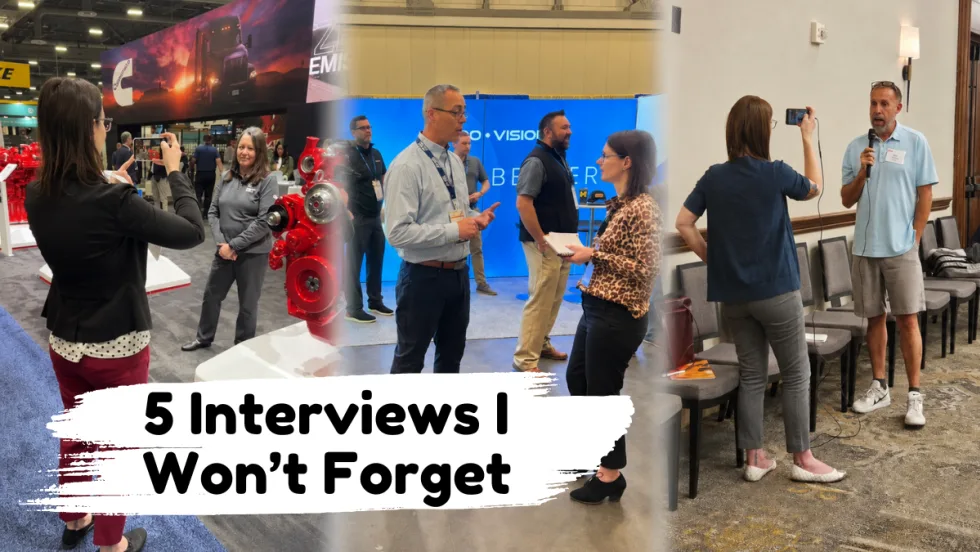
5 Video Interviews That Stuck With Me
After more than 100 episodes of The Route, SBF’s editor looks back at the unforgettable conversations and the school transportation lessons that we won’t forget.
Read More →
Key Trends Shaping The Future of School Transportation: ACT Expo Analysis
What’s next for the school bus market? We walked the show floor in Vegas to find out. From AI and V2G to battery breakthroughs and cutting-edge software, here’s what stood out.
Read More →
Suffering from Imposter Syndrome? You’re Not the Only One
Tips on fearing less instead of being fearless, and a powerful lesson from a group activity inspired by the 2025 NAPT keynote.
Read More →
My Own Trailblazers (and Why We Need More Women in Leadership)
From family influences to industry leaders, SBF’s editor reflects on the women who shaped her path and why representation in school transportation leadership matters.
Read More →
18 Ways to Support Your Transportation Team Beyond Thank-You Notes
Love the Bus Month is about more than thank-you notes. Learn how supporting the entire transportation team builds trust, culture, and retention year-round.
Read More →
When Home Is the Headline: Finding Our Way Forward in Minneapolis [Op/Ed]
In this season of uncertainty, leadership means empathy, critical thinking, and showing up. Here, our editor’s personal reflection on what matters most when times are tough.
Read More →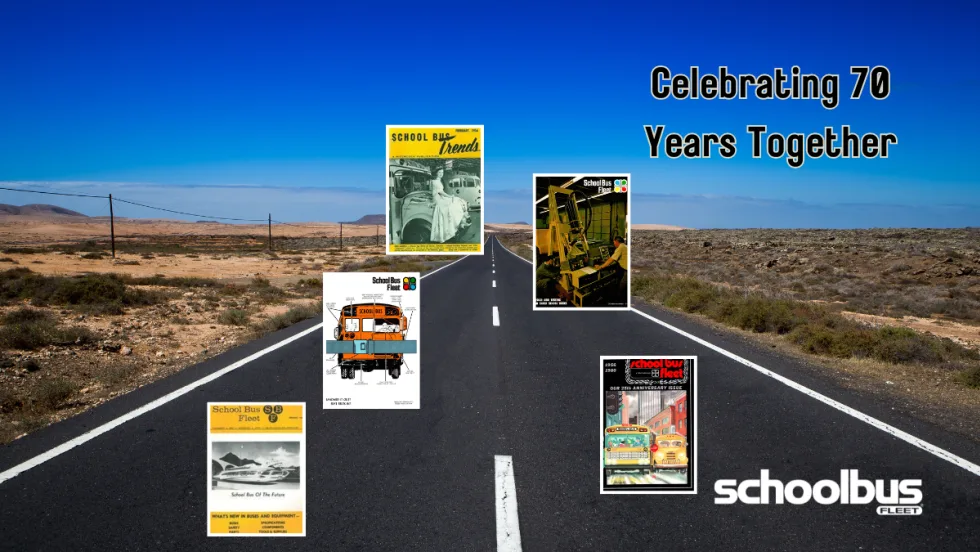
Seventy Years on the Road Together
School Bus Fleet’s editor reflects on the magazine and the industry’s legacy, change, and what endures.
Read More →
Through Change and Choice: Key Insights from 2025 and the Road Ahead
The school bus industry navigated big changes in 2025. Here’s how we adapted, what the data reveals, and what lies ahead in 2026.
Read More →
The Hidden Risks on the Road
Even the best school bus drivers can’t prevent every danger. As technology races and tempers rise behind the wheel, transportation pros face new challenges beyond the driver’s control.
Read More →
40 Things I Learned in My First Year as SBF Editor
Twelve months, almost 100 interviews and articles later, and countless lessons learned. Here are 40 key takeaways SBF’s editor learned about school buses, safety, and the people who keep students moving.
Read More →