




How will anti-collision technology impact school buses?
I sat in the passenger seat of a large truck, eyes fixed on the stopped car ahead as we rumbled straight toward it. Next to me, the driver of the truck gave no indication that he was going to stop the vehicle.

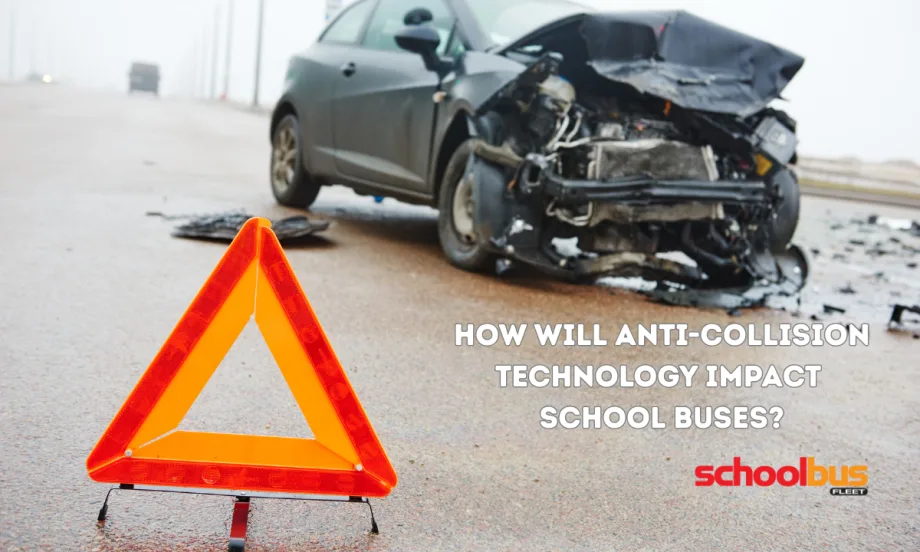
Collision-mitigation systems on passenger vehicles should prevent would-be accidents involving school buses.
Photo: School Bus Fleet
I sat in the passenger seat of a large truck, eyes fixed on the stopped car ahead as we rumbled straight toward it. Next to me, the driver of the truck gave no indication that he was going to stop the vehicle.
As we drew uncomfortably closer to the car, the driver of the truck still was not touching the brake. Then the truck abruptly slowed down. By itself.
We came to a stop within a few feet of the car. Crash avoided.
So how did the truck stop without the driver’s intervention? What was the secret to our “survival”? A collision mitigation system.
While I wasn’t actually in danger in the situation described above, it was nevertheless a dramatic display of the safety benefits of collision mitigation and avoidance technology.
The demonstration took place at the Navistar Proving Grounds, which I visited in May. The truck on which I experienced that suspenseful ride was an International ProStar, and it was equipped with a Bendix Wingman Fusion collision mitigation system. The stopped “car” was an inflatable prop.
Naturally, the experience made me think about how this technology could impact pupil transportation. During and after the Navistar Proving Grounds event, I talked with Trish Reed, vice president and general manager of Navistar’s IC Bus, to get more insight on the subject.
Reed says that the same type of collision mitigation technology that I witnessed on the truck could go into a school bus today. But the prohibitive factor is, perhaps not surprisingly, the cost.
With many school districts still facing tight budgets, and with a variety of other safety technologies competing for budget dollars, collision mitigation systems might not be at the top of most school bus buyers’ equipment lists at this point. But Reed says that these systems could become a higher priority as the technology advances and becomes more cost effective for school bus operators.
In the truck market, collision mitigation systems currently range in price from around $2,100 to $6,800, depending on the manufacturer and the technology level.
Besides Bendix, another key supplier of collision mitigation technology in the truck market is Meritor WABCO, whose OnGuard system is in use in more than 180 commercial vehicle fleets. Those fleets have reported 75% to 87% reductions in rear-end collisions and up to an 89% reduction in accident costs.
Both the Bendix Wingman system and the Meritor WABCO OnGuard system are currently available in Navistar’s trucks.
In June, the National Transportation Safety Board released a report that outlines what it calls the “life-saving benefits” of collision avoidance systems. The agency recommends that the technology become standard on all new passenger and commercial vehicles.
Even if school buses themselves aren’t equipped with collision avoidance or mitigation technology in the near future, those systems’ presence on trucks and other vehicles could positively affect school bus safety.
School buses are often rear-ended by inattentive motorists when they are stopped at railroad crossings or bus stops. If a driver is too distracted to see a big, yellow bus with flashing lights in the road ahead, a collision avoidance system on his or her vehicle could save the day.
More Blog Posts
The Sound of Summer Starting [Guest Editorial]
That unmistakable school bus rumble? It carries childhood memories, community routines, and a whole lot of unseen work behind the scenes.
Read More →
The Technology Power Combo That Enables EV Charging on Difficult Sites
As the pace of fleet electrification increases and charging infrastructure continues to pose challenges, many fleets find themselves puzzling over the question: how do I install charging infrastructure faster and more cost-efficiently?
Read More →
Trip Sheet: Farewell, Faithful Readers – Keep on Rolling
Executive Editor Wes Platt offers parting thoughts as he parks the School Bus Fleet bus to focus on ultra-local community journalism, making way for someone else to take the wheel as the pupil transportation industry continues to evolve.
Read More →
Trip Sheet: School Transportation Pros Can Champion Children's Mental Health
Children's Mental Health Awareness Day underscores the significance of school bus drivers in fostering supportive environments during students' journeys. SAMHSA's initiatives, including stigma reduction and access to resources, complement the Biden-Harris administration's funding efforts to enhance youth mental health services and workforce development.
Read More →
Trip Sheet: Is It Time for Daylight Saving Time to Clock Out?
How do you think the potential shift to permanent Daylight Saving Time or standard time would impact our daily lives and routines, especially considering the divided approach across various states?
Read More →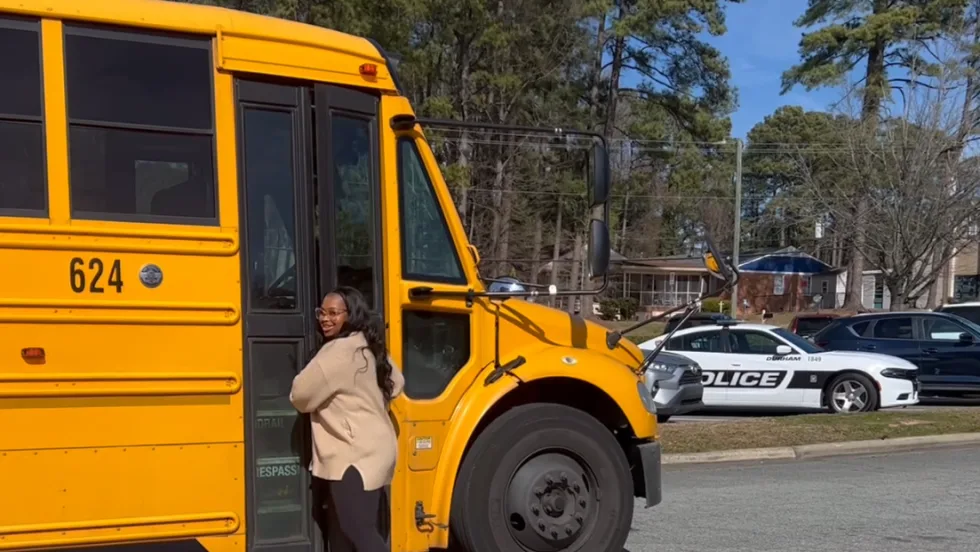
Trip Sheet: Meeting a Hero in My Own Back Yard
I remain impressed by the matter-of-fact heroism that’s often demonstrated by school bus drivers like Deona Washington who are caught in these situations where the best of us might lose our cool and panic. But, then again, bus drivers are a unique breed.
Read More →
Trip Sheet: 3 Takeaways from the EPA Clean School Bus Grant Program
Most applicants sought grant funding to acquire electric school buses, with propane coming in a distant second. No one indicated plans to purchase compressed natural gas (CNG) buses in this round. That’s not terribly surprising, I suppose, given how few school districts listed the inclusion of CNG buses in their fleets for our 2023 top district fleets survey.
Read More →
Trip Sheet: Let's Get Rolling: What's Coming in 2024?
Calendar pages keep flipping toward the mandates set in states like New York and California to transition their school bus fleets from diesel to zero-emission, but there’s plenty of reluctance and pushback.
Read More →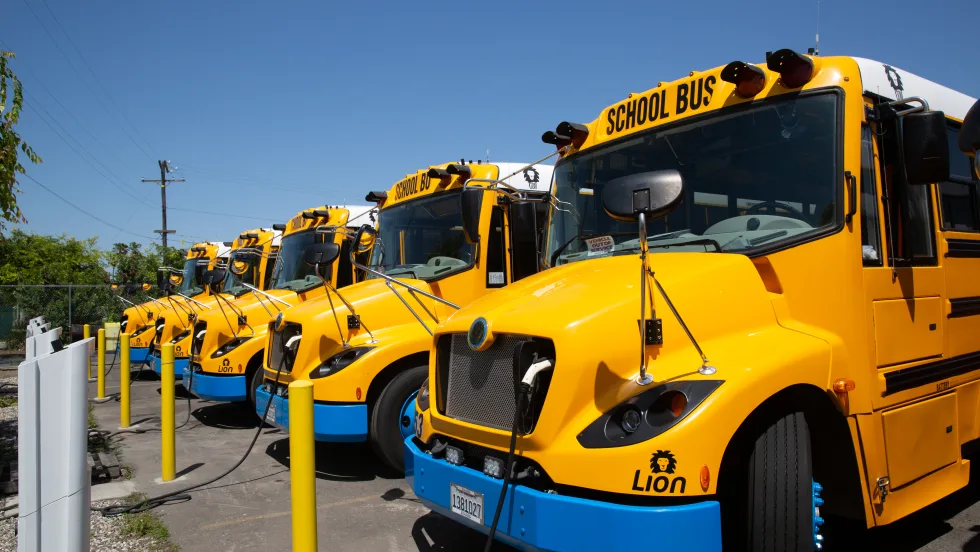
California School Children Ride in Green School Buses
Today, California prides itself on utilizing the most zero-emission (ZE) school buses in the country with over 1,689 being used by California school districts; and while the state is on a positive health trajectory thanks to a decree to eliminate gas and diesel vehicles, more work needs to be done to improve children’s well-being.
Read More →
Behind The Wheel of Childrens’ Safety Aboard the School Bus
Bus drivers are the primary caretakers of children during their commute and thus bear responsibility for their safety. By prioritizing proper operating procedures, maintenance checks, and additional precautions, drivers can help avoid the loss of precious young lives under their care.
Read More →