




Home-side stops should be goal, not mandate
Legislators have recently proposed bills that would require school buses to pick up and drop off students on the side of the road that they live on. That may sound good on paper, but in practice it would drive up transportation costs and bus ride times.

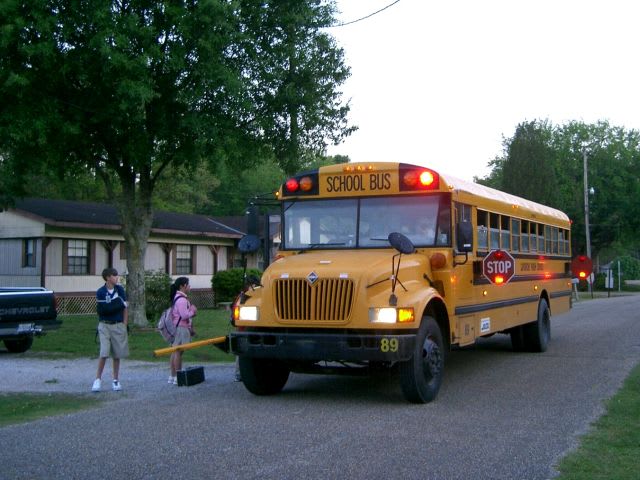
Legislators have recently proposed bills that would require school buses to pick up and drop off students on the side of the road that they live on.
I think it’s fair to say that most legislators are less than well informed on what goes into operating a safe and efficient pupil transportation system.
Trouble often arises when a senator or representative — perhaps with good intentions — attempts to legislate an improvement to school bus safety.
The latest example came in Texas, where state Rep. Oscar Longoria filed a bill that would require school buses to pick up and drop off students on the side of the road that they live on — a requirement that research has shown would be costly.
In announcing the legislation, Longoria cited an incident last year in which a La Joya (Texas) Independent School District student was struck and killed by an illegally passing vehicle while crossing the road after being dropped off by a school bus.
“Through many meetings and conversations, I thought a viable solution was to pass a law which required students to not cross roadways when being dropped off,” Longoria said.
That may sound good on paper, but in practice it would drive up transportation costs and bus ride times. And Longoria’s bill (at least in its current version at press time) makes no mention of providing additional funding.
Requiring home-side school bus stops is a topic that was explored by Iowa researchers in a 2012 study. The research team worked with an Iowa school district, revising an urban route and a rural route to comply with home-side loading.
As a result, 33 more bus stops were added to the urban route, and 17 more miles of travel were added to the rural route. The researchers found that a home-side loading requirement would increase the annual costs of the urban route by $8,000 and the rural route by $24,000.
“Home-side loading has the potential to affect the cost per pupil transported significantly without a defined quantifiable benefit to justify these costs,” the researchers said in the study.
Legislators in Louisiana apparently didn’t see that study. A bill that was passed last year prohibits bus stops that require students to cross the street. In late July, just a few days before the mandate went into effect, the Louisiana attorney general issued an opinion that provided some relief, advising that “school districts should comply as soon as reasonably possible.” Now, it appears that the Louisiana State Legislature may reconsider the mandate in an upcoming session.
Back in Texas, in response to Longoria’s bill, the Texas Association for Pupil Transportation (TAPT) released a position paper in which it estimates that complying with the proposed home-side stop requirement would raise operating costs by about 30%. That, in turn, could negatively impact the safety of students.
“Limited by existing resources, districts may be forced to reduce or eliminate regular education transportation services,” TAPT says in the position paper.
Loading students on the side of the street that they live on should be the goal, but it’s not always feasible. As the Iowa researchers put it, “Districts should continue to be encouraged to consider home-side loading as a matter of best practice and discretion and stop short of a specific requirement.”
Thomas McMahon is executive editor of School Bus Fleet.
More Blog Posts
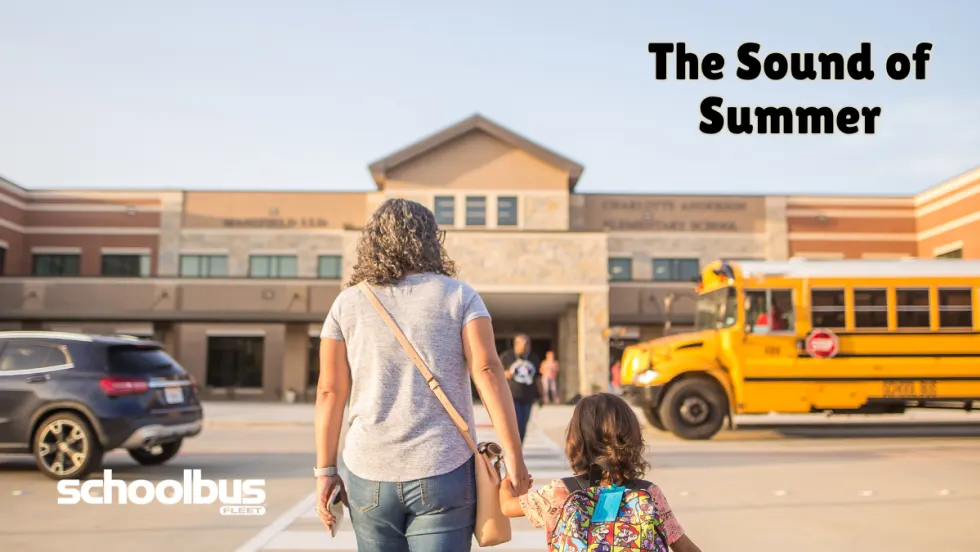
The Sound of Summer Starting [Guest Editorial]
That unmistakable school bus rumble? It carries childhood memories, community routines, and a whole lot of unseen work behind the scenes.
Read More →
The Technology Power Combo That Enables EV Charging on Difficult Sites
As the pace of fleet electrification increases and charging infrastructure continues to pose challenges, many fleets find themselves puzzling over the question: how do I install charging infrastructure faster and more cost-efficiently?
Read More →
Trip Sheet: Farewell, Faithful Readers – Keep on Rolling
Executive Editor Wes Platt offers parting thoughts as he parks the School Bus Fleet bus to focus on ultra-local community journalism, making way for someone else to take the wheel as the pupil transportation industry continues to evolve.
Read More →
Trip Sheet: School Transportation Pros Can Champion Children's Mental Health
Children's Mental Health Awareness Day underscores the significance of school bus drivers in fostering supportive environments during students' journeys. SAMHSA's initiatives, including stigma reduction and access to resources, complement the Biden-Harris administration's funding efforts to enhance youth mental health services and workforce development.
Read More →
Trip Sheet: Is It Time for Daylight Saving Time to Clock Out?
How do you think the potential shift to permanent Daylight Saving Time or standard time would impact our daily lives and routines, especially considering the divided approach across various states?
Read More →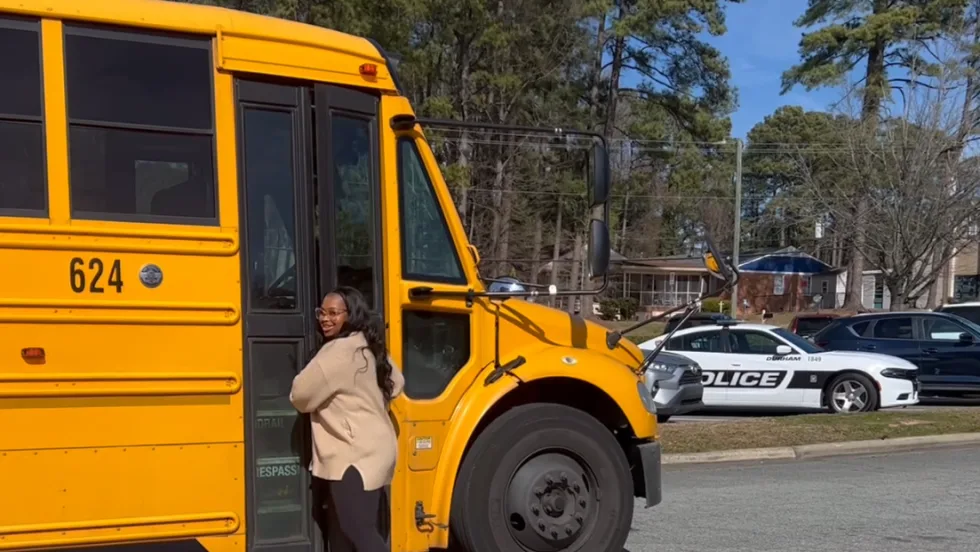
Trip Sheet: Meeting a Hero in My Own Back Yard
I remain impressed by the matter-of-fact heroism that’s often demonstrated by school bus drivers like Deona Washington who are caught in these situations where the best of us might lose our cool and panic. But, then again, bus drivers are a unique breed.
Read More →
Trip Sheet: 3 Takeaways from the EPA Clean School Bus Grant Program
Most applicants sought grant funding to acquire electric school buses, with propane coming in a distant second. No one indicated plans to purchase compressed natural gas (CNG) buses in this round. That’s not terribly surprising, I suppose, given how few school districts listed the inclusion of CNG buses in their fleets for our 2023 top district fleets survey.
Read More →
Trip Sheet: Let's Get Rolling: What's Coming in 2024?
Calendar pages keep flipping toward the mandates set in states like New York and California to transition their school bus fleets from diesel to zero-emission, but there’s plenty of reluctance and pushback.
Read More →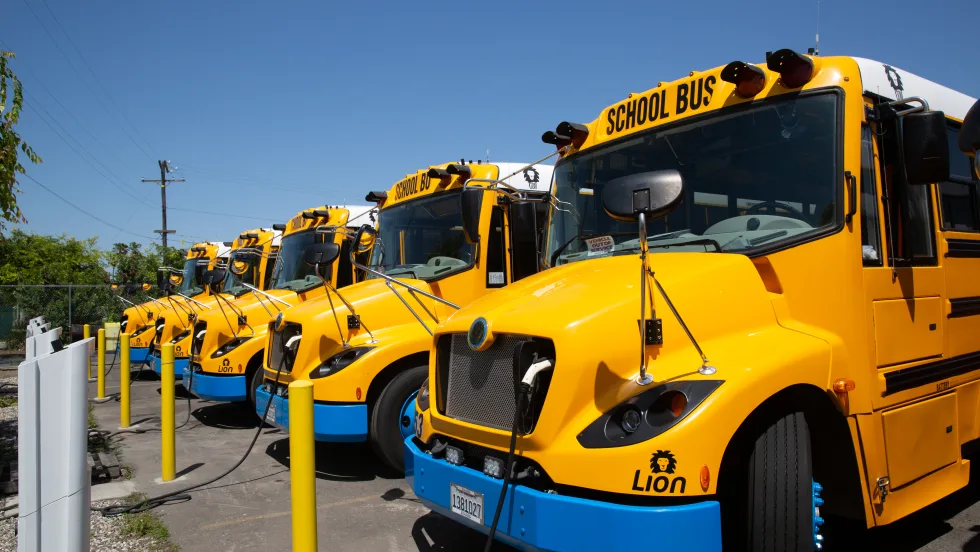
California School Children Ride in Green School Buses
Today, California prides itself on utilizing the most zero-emission (ZE) school buses in the country with over 1,689 being used by California school districts; and while the state is on a positive health trajectory thanks to a decree to eliminate gas and diesel vehicles, more work needs to be done to improve children’s well-being.
Read More →
Behind The Wheel of Childrens’ Safety Aboard the School Bus
Bus drivers are the primary caretakers of children during their commute and thus bear responsibility for their safety. By prioritizing proper operating procedures, maintenance checks, and additional precautions, drivers can help avoid the loss of precious young lives under their care.
Read More →