




Electric Outcome for Clean School Bus Program's First Year
Not only did the EPA get enough demand to exhaust the $500 million during the first round of funding from the Bipartisan Infrastructure Law, but they also felt compelled to nearly double the pot to help as many applicants as possible.

The U.S. Environmental Protection Agency received 2,000 project proposals valued at nearly $4 billion for more than 12,000 buses during the first round of Clean School Bus Program funding applications.
Image: Canva
Remember that time I said maybe we shouldn’t expect big things from the first year of the Clean School Bus program?
That didn’t age well.
Not only did the Environmental Protection Agency (EPA) get enough demand to exhaust the $500 million during the first round of funding from the Bipartisan Infrastructure Law, but they also felt compelled to nearly double the pot to help as many applicants as possible.
When the rebate application window closed in August, the EPA had about 2,000 project proposals valued at nearly $4 billion for more than 12,000 buses.
In late October, the agency announced recipients in 389 school districts that will receive funds to buy nearly 2,500 new low- and zero-emission school buses and qualifying infrastructure. About 95% of the requested buses are electric. Most of the selected projects met criteria to be prioritized by the EPA, including low-income, rural, and tribal regions.
So, in the end, demand sizzled rather than fizzled, and the federal government did what it could to meet it – much to the approval of school bus manufacturers.
“EPA nearly doubling its initial commitment to clean school buses is a testament to the extraordinary impact this technology can have on public health,” said Daoud Chaaya, vice president of sales, aftermarket and marketing, at Thomas Built Buses. “As TBB celebrates milestones like the delivery of our 200th electric Jouley in the nation and crossing 500,000 electric service miles in Virginia alone, we are excited to see momentum build for clean energy solutions that transport our most precious cargo: our kids.”
Marc Bedard, CEO and founder of Lion Electric, also hailed the EPA’s additional funding for 2022: “As a manufacturer of purpose-built 100% electric school buses, it is extremely encouraging to see the resounding success of this initial round of the EPA Clean School Bus Program. An oversubscription rate of nearly eight times the available $500 million proves that the school transportation industry is ready to move beyond polluting diesel buses, for the improvement of the health of our students and communities.”
After the EPA announced the first-round funding recipients, Blue Bird Corporation’s president and CEO Matthew Stevenson praised the program: “Today’s historic funding announcement by the EPA accelerates the adoption of clean student transportation in the United States. It’s a major step to reduce harmful greenhouse gas emissions and to put student and community health first.”
Congratulations to the EPA and to the hundreds of school districts that now stand to benefit from this ambitious federal program.
More Blog Posts
The Sound of Summer Starting [Guest Editorial]
That unmistakable school bus rumble? It carries childhood memories, community routines, and a whole lot of unseen work behind the scenes.
Read More →
The Technology Power Combo That Enables EV Charging on Difficult Sites
As the pace of fleet electrification increases and charging infrastructure continues to pose challenges, many fleets find themselves puzzling over the question: how do I install charging infrastructure faster and more cost-efficiently?
Read More →
Trip Sheet: Farewell, Faithful Readers – Keep on Rolling
Executive Editor Wes Platt offers parting thoughts as he parks the School Bus Fleet bus to focus on ultra-local community journalism, making way for someone else to take the wheel as the pupil transportation industry continues to evolve.
Read More →
Trip Sheet: School Transportation Pros Can Champion Children's Mental Health
Children's Mental Health Awareness Day underscores the significance of school bus drivers in fostering supportive environments during students' journeys. SAMHSA's initiatives, including stigma reduction and access to resources, complement the Biden-Harris administration's funding efforts to enhance youth mental health services and workforce development.
Read More →
Trip Sheet: Is It Time for Daylight Saving Time to Clock Out?
How do you think the potential shift to permanent Daylight Saving Time or standard time would impact our daily lives and routines, especially considering the divided approach across various states?
Read More →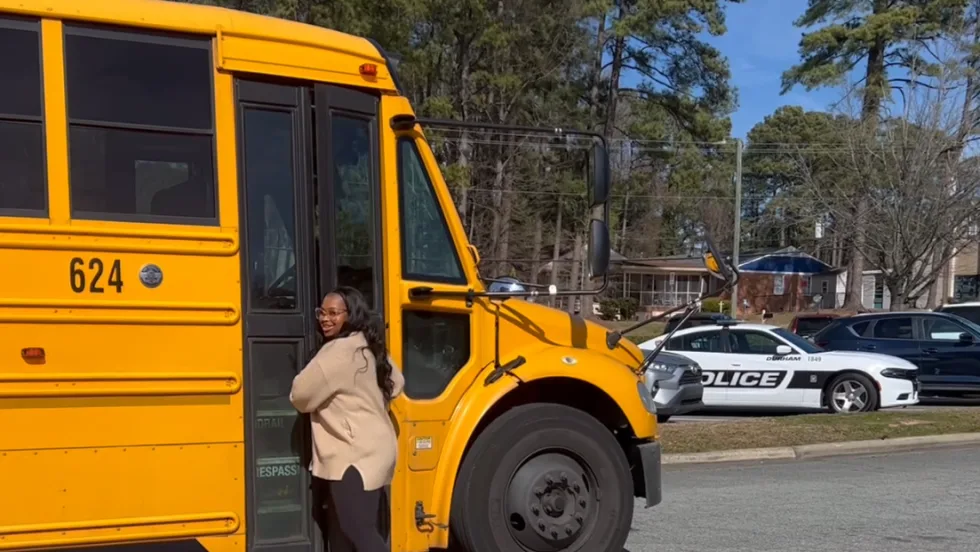
Trip Sheet: Meeting a Hero in My Own Back Yard
I remain impressed by the matter-of-fact heroism that’s often demonstrated by school bus drivers like Deona Washington who are caught in these situations where the best of us might lose our cool and panic. But, then again, bus drivers are a unique breed.
Read More →
Trip Sheet: 3 Takeaways from the EPA Clean School Bus Grant Program
Most applicants sought grant funding to acquire electric school buses, with propane coming in a distant second. No one indicated plans to purchase compressed natural gas (CNG) buses in this round. That’s not terribly surprising, I suppose, given how few school districts listed the inclusion of CNG buses in their fleets for our 2023 top district fleets survey.
Read More →
Trip Sheet: Let's Get Rolling: What's Coming in 2024?
Calendar pages keep flipping toward the mandates set in states like New York and California to transition their school bus fleets from diesel to zero-emission, but there’s plenty of reluctance and pushback.
Read More →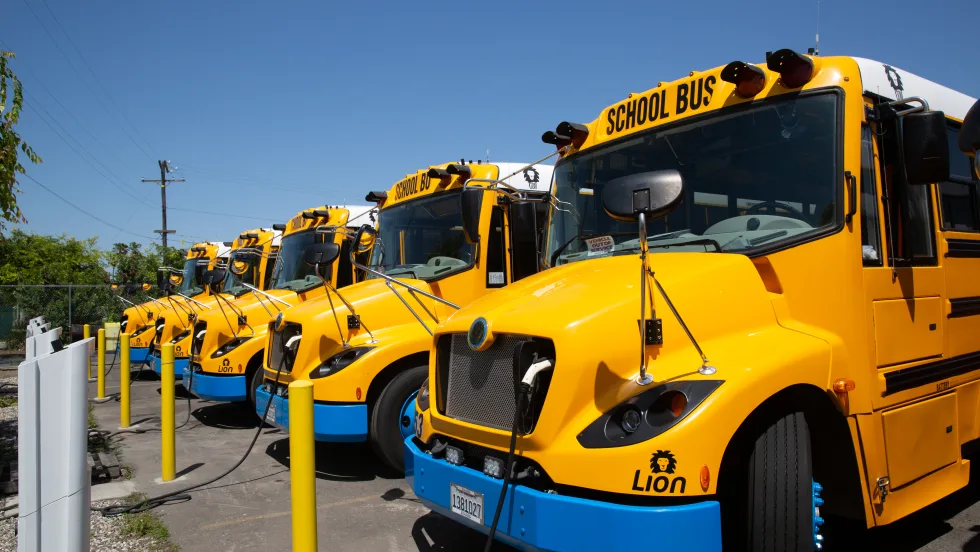
California School Children Ride in Green School Buses
Today, California prides itself on utilizing the most zero-emission (ZE) school buses in the country with over 1,689 being used by California school districts; and while the state is on a positive health trajectory thanks to a decree to eliminate gas and diesel vehicles, more work needs to be done to improve children’s well-being.
Read More →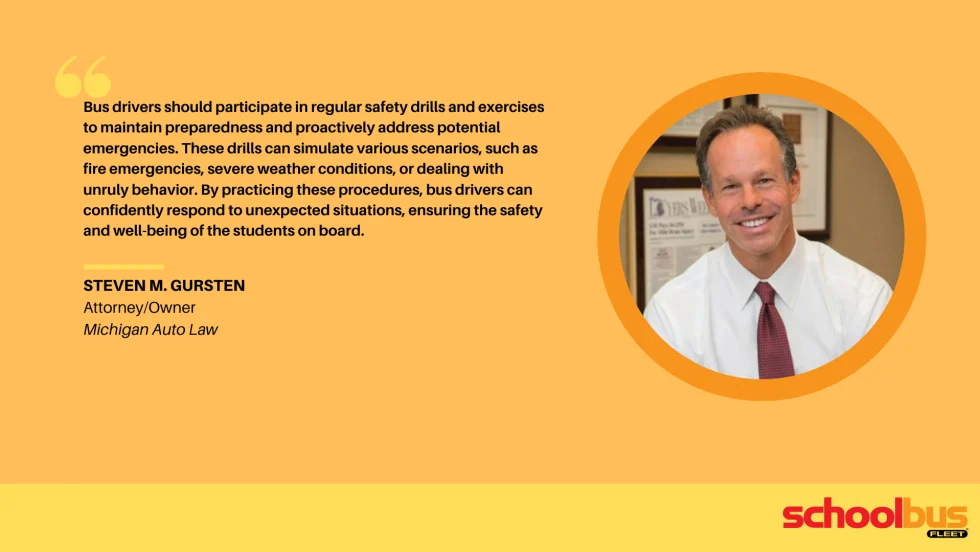
Behind The Wheel of Childrens’ Safety Aboard the School Bus
Bus drivers are the primary caretakers of children during their commute and thus bear responsibility for their safety. By prioritizing proper operating procedures, maintenance checks, and additional precautions, drivers can help avoid the loss of precious young lives under their care.
Read More →