




Are severe stop-arm fines effective?
Setting stop-arm fine amounts that drivers will take seriously is important. But if the penalties become too steep, do they become ineffective? For example, Iowa has seen more violations pleaded down or dismissed since increasing fines.

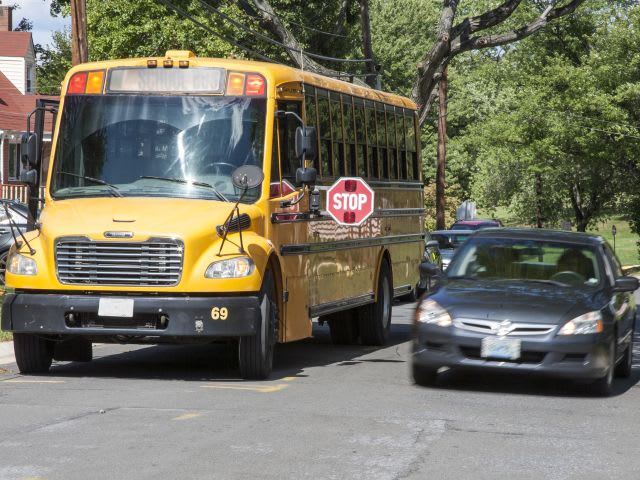
Setting stop-arm fine amounts that drivers will take seriously is important. But if the penalties become too steep, do they become ineffective?

Setting stop-arm fine amounts that drivers will take seriously is important. But if the penalties become too steep, do they become ineffective?
In the fight against illegal passing of school buses, a common tactic is to increase the penalties that can be assessed for these violations.
For example, in 2012, Iowa passed Kadyn’s Law, which raised the fine for a first-time stop-arm violation from $200 to a maximum of $675.
If $675 seems steep, consider this: In Prince Edward Island, a motorist was recently fined $2,000 Canadian (about $1,400 U.S.) for passing a stopped school bus on Sept. 18. Justin Bradley Murphy, 24, was found guilty of the offense in court last week.
Setting stop-arm fine amounts that drivers will take seriously — as opposed to a monetary “slap on the wrist” — is clearly important. But if the penalties become too severe, do they become ineffective?
An analysis by The Gazette in Iowa last year found that after Kadyn’s Law and its penalty-increasing provisions went into effect, the statewide rate of stop-arm violations being pleaded down or dismissed more than doubled.
Iowa state pupil transportation director Max Christensen told me in a recent interview that the steeper penalties have not been effective. One of the stumbling blocks, according to Christensen, is a stipulation for a 30-day driver’s license suspension for a first-time stop-arm violation. Judges and prosecutors typically back away from that punishment, he said, because it would leave some drivers without a way to get to work.
(Kadyn's Law also added the possibility of a 30-day jail sentence for first-time stop-arm violators in Iowa. For a full list of penalties, go here.)
“We’re seeing fewer actual convictions now than we used to,” Christensen said. “It’s a problem, and I’m not sure what the solution is.”
Regardless of the monetary amount of stop-arm fines, the laws won't be effective if they aren't enforced — whether by police periodically staking out school bus stops, or by allowing evidence from the bus driver or from stop-arm cameras to be used in prosecuting violators.
In Prince Edward Island, police have found that enforcement action with unmarked cars around school bus stops seems to have resonated with drivers.
In fact, an unmarked police vehicle happened to be following Justin Bradley Murphy at the time he allegedly passed a stopped school bus, which led to his CA$2,000 fine.
Of course, the primary goal of school bus stop-arm efforts should be preventing illegal passing, as opposed to generating ticket revenue. To deter potential violators, they have to know not only that they could put children’s lives at risk if they pass a stopped bus, but also that they could get caught in the act.
What stop-arm safety measures have proven successful in your area? Post a comment below.
More Blog Posts
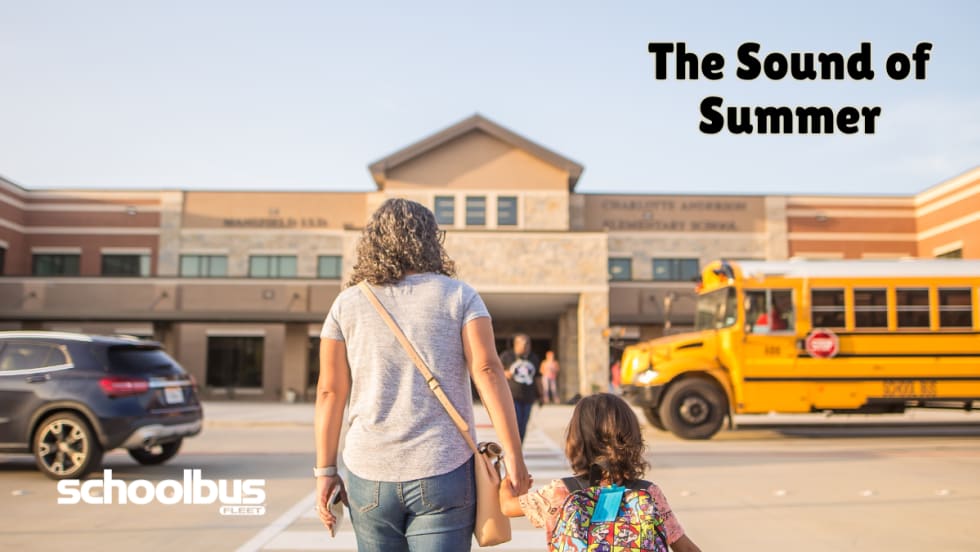
The Sound of Summer Starting [Guest Editorial]
That unmistakable school bus rumble? It carries childhood memories, community routines, and a whole lot of unseen work behind the scenes.
Read More →
The Technology Power Combo That Enables EV Charging on Difficult Sites
As the pace of fleet electrification increases and charging infrastructure continues to pose challenges, many fleets find themselves puzzling over the question: how do I install charging infrastructure faster and more cost-efficiently?
Read More →
Trip Sheet: Farewell, Faithful Readers – Keep on Rolling
Executive Editor Wes Platt offers parting thoughts as he parks the School Bus Fleet bus to focus on ultra-local community journalism, making way for someone else to take the wheel as the pupil transportation industry continues to evolve.
Read More →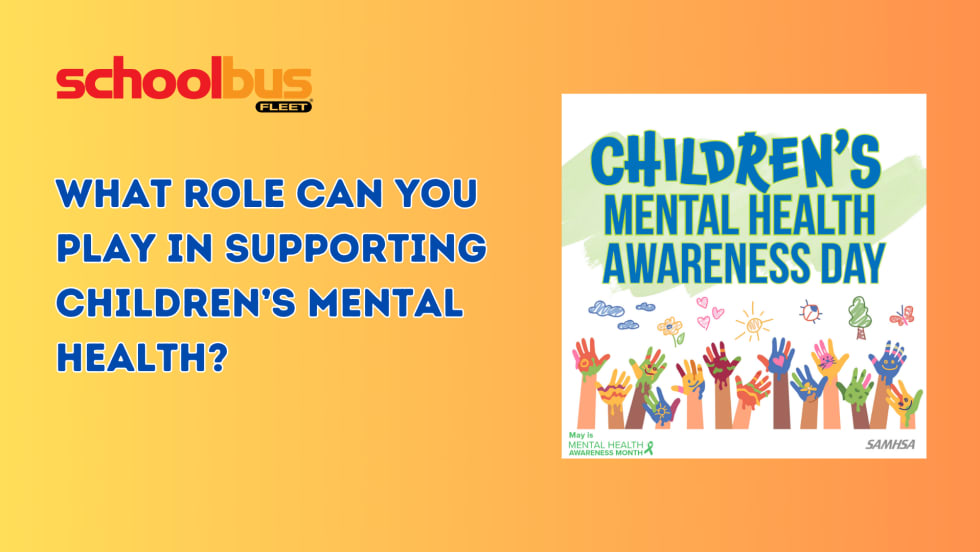
Trip Sheet: School Transportation Pros Can Champion Children's Mental Health
Children's Mental Health Awareness Day underscores the significance of school bus drivers in fostering supportive environments during students' journeys. SAMHSA's initiatives, including stigma reduction and access to resources, complement the Biden-Harris administration's funding efforts to enhance youth mental health services and workforce development.
Read More →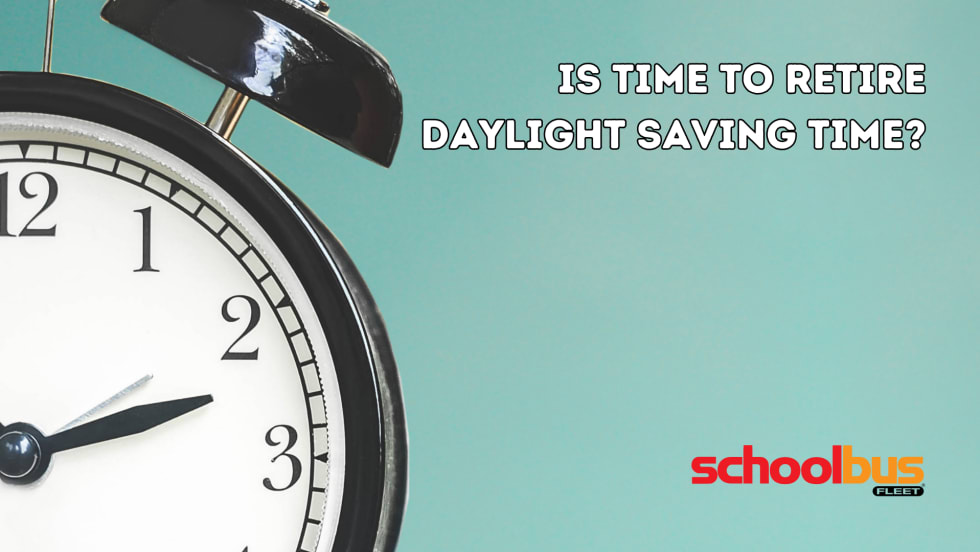
Trip Sheet: Is It Time for Daylight Saving Time to Clock Out?
How do you think the potential shift to permanent Daylight Saving Time or standard time would impact our daily lives and routines, especially considering the divided approach across various states?
Read More →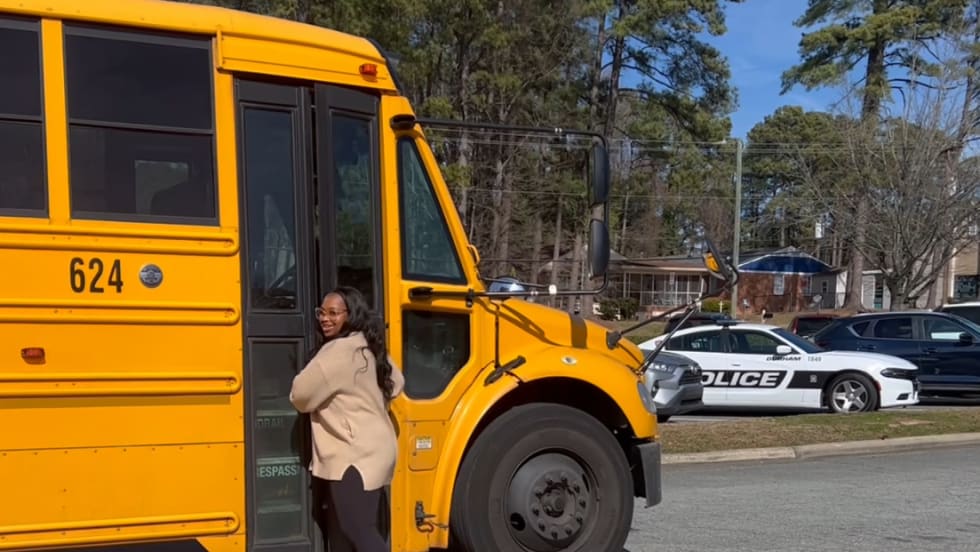
Trip Sheet: Meeting a Hero in My Own Back Yard
I remain impressed by the matter-of-fact heroism that’s often demonstrated by school bus drivers like Deona Washington who are caught in these situations where the best of us might lose our cool and panic. But, then again, bus drivers are a unique breed.
Read More →
Trip Sheet: 3 Takeaways from the EPA Clean School Bus Grant Program
Most applicants sought grant funding to acquire electric school buses, with propane coming in a distant second. No one indicated plans to purchase compressed natural gas (CNG) buses in this round. That’s not terribly surprising, I suppose, given how few school districts listed the inclusion of CNG buses in their fleets for our 2023 top district fleets survey.
Read More →
Trip Sheet: Let's Get Rolling: What's Coming in 2024?
Calendar pages keep flipping toward the mandates set in states like New York and California to transition their school bus fleets from diesel to zero-emission, but there’s plenty of reluctance and pushback.
Read More →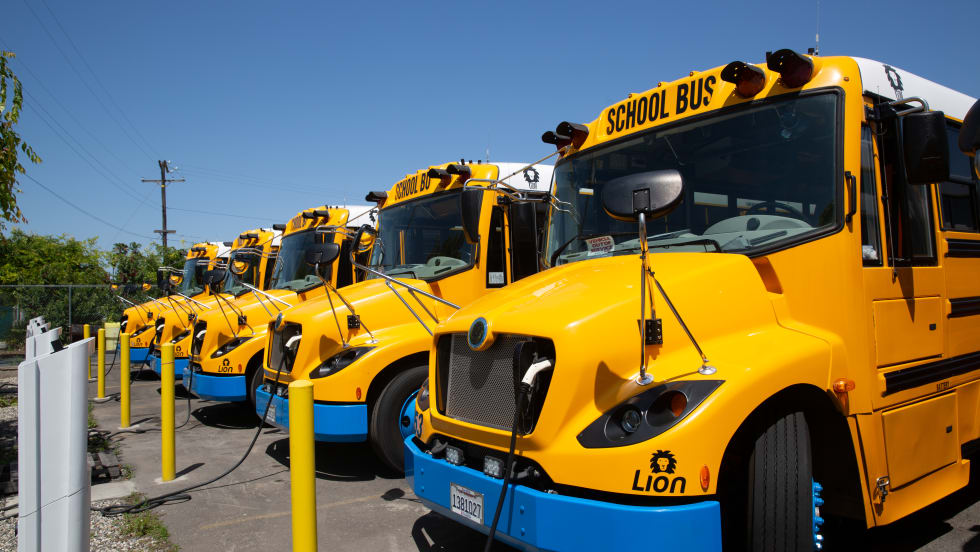
California School Children Ride in Green School Buses
Today, California prides itself on utilizing the most zero-emission (ZE) school buses in the country with over 1,689 being used by California school districts; and while the state is on a positive health trajectory thanks to a decree to eliminate gas and diesel vehicles, more work needs to be done to improve children’s well-being.
Read More →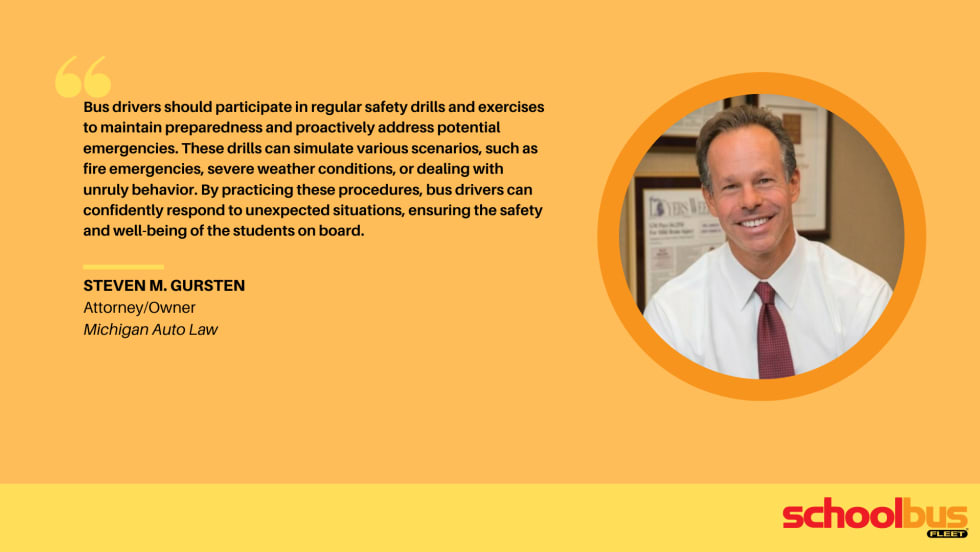
Behind The Wheel of Childrens’ Safety Aboard the School Bus
Bus drivers are the primary caretakers of children during their commute and thus bear responsibility for their safety. By prioritizing proper operating procedures, maintenance checks, and additional precautions, drivers can help avoid the loss of precious young lives under their care.
Read More →