




Another Look at Electronic Stability Control
The phone rang, and I looked down at the caller ID: “CHATTANOOGA TN.” I immediately knew the awful reason for the call, if not who the caller was. It was Tuesday, Nov. 22, the morning after the devastating school bus crash …

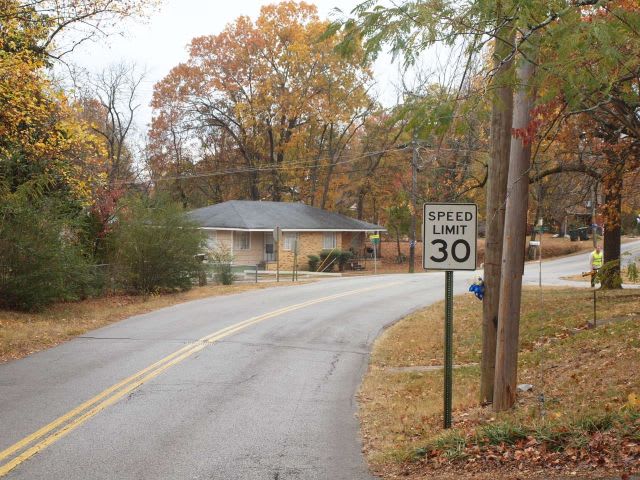
This photo from the National Transportation Safety Board shows a curve in Talley Road in Chattanooga, Tennessee, at the site of the Nov. 22 fatal school bus crash.
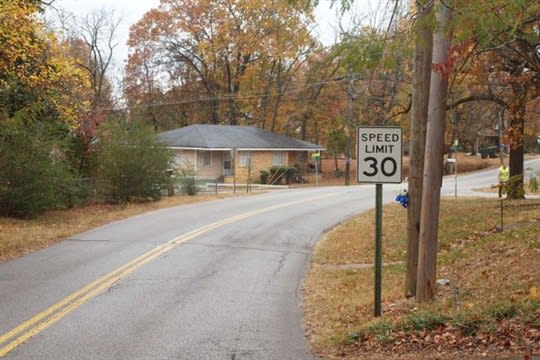
This photo from the National Transportation Safety Board shows a curve in Talley Road in Chattanooga, Tennessee, at the site of the Nov. 22 fatal school bus crash.
The phone rang, and I looked down at the caller ID: “CHATTANOOGA TN.” I immediately knew the awful reason for the call, if not who the caller was.
It was Tuesday, Nov. 22, the morning after the devastating school bus crash in Chattanooga, Tennessee, in which six students were killed and many more were injured. The crash attracted an onslaught of coverage in the nation’s media outlets, the initial wave of which was filled with much uncertainty and even some exaggerated details. For example, one early news story reported that “at least 12 people died.”
But on Tuesday morning, more reliable facts about the crash had been released by police in Chattanooga. The investigation was in full swing, and a clearer picture of the event was emerging.
I answered the phone and was greeted by a reporter from the Chattanooga Times Free Press. As expected, he was calling to talk about the previous day’s school bus crash.
What surprised me about this reporter’s questions was that he didn’t narrow in on the seat belt issue, as many other media outlets did. (The bus in the crash didn’t have seat belts, which aren’t required on Tennessee school buses.)
Instead, the reporter was more interested in asking about a technology that can help prevent crashes: electronic stability control (ESC).
For the uninitiated, ESC systems have sensors that monitor vehicle movement and steering. They can help mitigate rollover incidents by using automatic computer-controlled braking, and they can aid the driver in addressing severe under-steer or over-steer conditions that can lead to loss of control.
In 2015, the National Highway Traffic Safety Administration (NHTSA) issued a final rule that will require ESC systems on heavy trucks and some large buses, such as motorcoaches, but the agency exempted school buses.
During the proposal phase of that rulemaking, some organizations — including the National Transportation Safety Board — called for an ESC mandate for all buses greater than 10,000 pounds, including school buses. But NHTSA cited federal data showing that most school bus crashes are not rollover or loss-of-control crashes that ESC systems are capable of preventing.
“For these reasons, we will not require school buses to be equipped with ESC at this time,” NHTSA said in the final rule, which was published in June 2015.
Interestingly enough, just two weeks before the Chattanooga crash, a NHTSA official revealed that the agency was reconsidering its decision.
At the National Association of State Directors of Pupil Transportation Services conference on Nov. 8, NHTSA Program Analyst Brian Chodrow said the agency is taking another look at ESC for school buses. He said the technology wasn’t found to be cost-effective for school buses at the time of the rulemaking, but that is likely to change now that the large school bus OEMs offer ESC as an option.
Chodrow said that the topic was “something we’ll be looking at closely,” and left it at that “hint,” as he put it.
That came to my mind two weeks later, as I reviewed the details of the Chattanooga crash. According to investigators, the school bus departed the roadway to the right, took out a mailbox, veered to the left, struck a utility pole, rolled onto its right side, and then crashed into a tree. The posted speed limit on the road was 30 mph, with a lower advisory speed for curves, and police estimated that the bus was traveling around 50 mph.
Coincidentally, just three days before the Chattanooga crash, another school bus in Tennessee — this one taking students to Opryland in Nashville on Nov. 18 — rolled over after the driver reportedly lost control and overcorrected. Fortunately, the injuries in that crash were not life-threatening.
As I told the reporter from the Chattanooga Times Free Press, I can’t say how the outcome of the Chattanooga incident might have been different if the bus had been equipped with ESC. But the technology has proven to be effective on various types of vehicles, large and small, and I’ve test-driven a school bus with ESC and felt the impact it makes to prevent loss of control — especially when driving too fast on a curve.
The NTSB, which advocated for school buses to be included in NHTSA’s 2015 ESC rulemaking, is investigating the Chattanooga crash and will issue a final report in about a year. It will be interesting to see whether ESC enters into the agency’s analysis.
Meanwhile, we now know that NHTSA is taking another look at ESC for school buses, but it remains to be seen whether that will lead to a new rulemaking.
The bottom line is that while ESC doesn’t take any responsibility away from the driver, in some situations it can help the driver keep the vehicle under control.
More Blog Posts
The Sound of Summer Starting [Guest Editorial]
That unmistakable school bus rumble? It carries childhood memories, community routines, and a whole lot of unseen work behind the scenes.
Read More →
The Technology Power Combo That Enables EV Charging on Difficult Sites
As the pace of fleet electrification increases and charging infrastructure continues to pose challenges, many fleets find themselves puzzling over the question: how do I install charging infrastructure faster and more cost-efficiently?
Read More →
Trip Sheet: Farewell, Faithful Readers – Keep on Rolling
Executive Editor Wes Platt offers parting thoughts as he parks the School Bus Fleet bus to focus on ultra-local community journalism, making way for someone else to take the wheel as the pupil transportation industry continues to evolve.
Read More →
Trip Sheet: School Transportation Pros Can Champion Children's Mental Health
Children's Mental Health Awareness Day underscores the significance of school bus drivers in fostering supportive environments during students' journeys. SAMHSA's initiatives, including stigma reduction and access to resources, complement the Biden-Harris administration's funding efforts to enhance youth mental health services and workforce development.
Read More →
Trip Sheet: Is It Time for Daylight Saving Time to Clock Out?
How do you think the potential shift to permanent Daylight Saving Time or standard time would impact our daily lives and routines, especially considering the divided approach across various states?
Read More →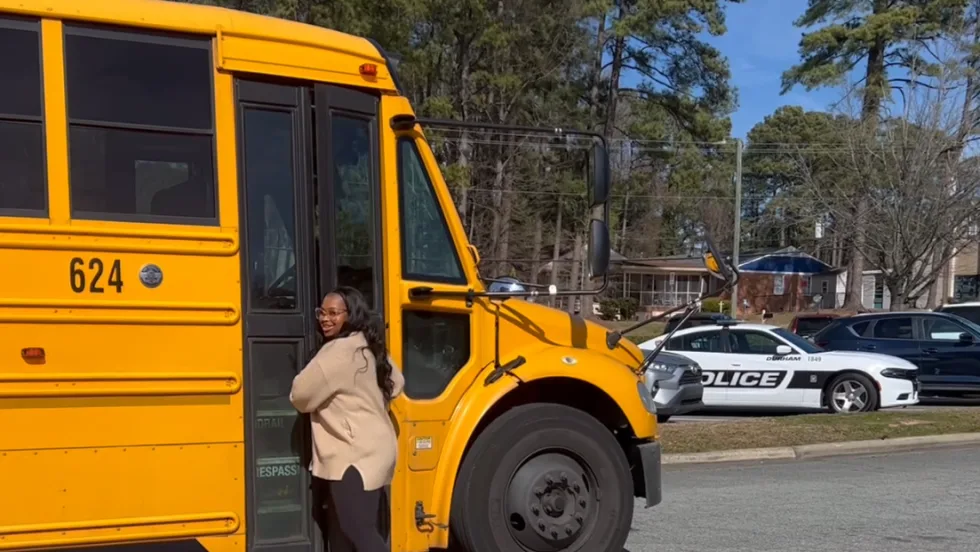
Trip Sheet: Meeting a Hero in My Own Back Yard
I remain impressed by the matter-of-fact heroism that’s often demonstrated by school bus drivers like Deona Washington who are caught in these situations where the best of us might lose our cool and panic. But, then again, bus drivers are a unique breed.
Read More →
Trip Sheet: 3 Takeaways from the EPA Clean School Bus Grant Program
Most applicants sought grant funding to acquire electric school buses, with propane coming in a distant second. No one indicated plans to purchase compressed natural gas (CNG) buses in this round. That’s not terribly surprising, I suppose, given how few school districts listed the inclusion of CNG buses in their fleets for our 2023 top district fleets survey.
Read More →
Trip Sheet: Let's Get Rolling: What's Coming in 2024?
Calendar pages keep flipping toward the mandates set in states like New York and California to transition their school bus fleets from diesel to zero-emission, but there’s plenty of reluctance and pushback.
Read More →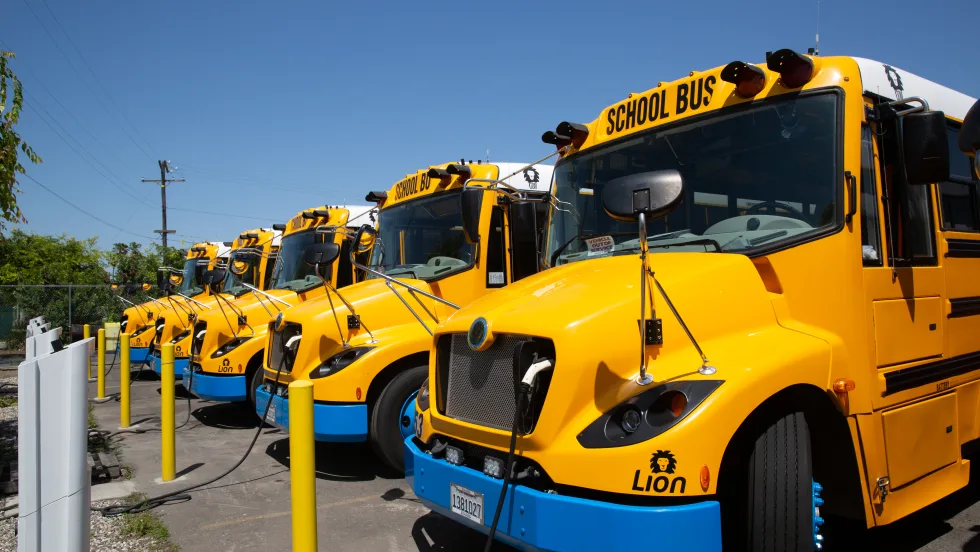
California School Children Ride in Green School Buses
Today, California prides itself on utilizing the most zero-emission (ZE) school buses in the country with over 1,689 being used by California school districts; and while the state is on a positive health trajectory thanks to a decree to eliminate gas and diesel vehicles, more work needs to be done to improve children’s well-being.
Read More →
Behind The Wheel of Childrens’ Safety Aboard the School Bus
Bus drivers are the primary caretakers of children during their commute and thus bear responsibility for their safety. By prioritizing proper operating procedures, maintenance checks, and additional precautions, drivers can help avoid the loss of precious young lives under their care.
Read More →