




Driver Sharing, Data-Driven Routing Help Operators Roll With Shortages
6 Takeaways on the State of School Transportation
Child ridesharing company HopSkipDrive’s recent survey of pupil transporters and education professionals shows that COVID-19 is worsening driver shortage. Other pain points include school bus utilization and funding constraints.
by Aylin Cook
March 31, 2021
Photo courtesy HopSkipDrive
3 min to read
HopSkipDrive recently surveyed a large group of pupil transportation and education professionals — from directors of transportation to superintendents — to determine the state of school transportation today and make predictions for the 2021-22 school year.
From lingering issues such as bus driver shortages to new bus capacity regulations, respondents shared their challenges as well as what's positive in their operations.
Here are six big takeaways from the newly published report.
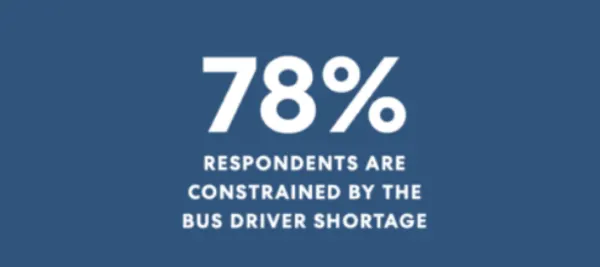
Image courtesy HopSkipDrive
1. Bus driver shortages remain a major issue.
One of our respondents’ biggest pain points: the ongoing bus driver shortage. Only 16.92% called it a non-issue, while 78.46% reported the bus driver shortage constrained their operations.
"Driving students is a specialized, professional position. Drivers should be paid accordingly.” Anonymous, director of transportation
“We have buses, but no drivers. We don’t have enough drivers with commercial driver’s licenses for our bus routes.” Anonymous, director of transportation
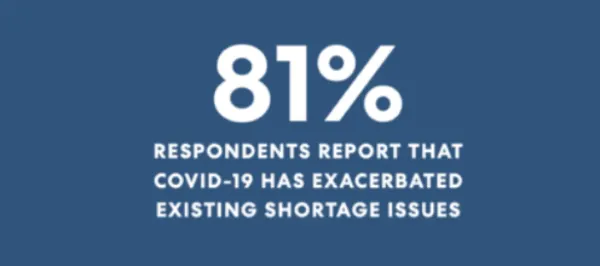
Image courtesy HopSkipDrive
2. COVID-19 is exacerbating existing shortage issues.
The vast majority (81%) of those who participated in the survey said that COVID-19 will exacerbate the shortage, both now and down the road. Many bus drivers are near retirement age, a particularly vulnerable population when it comes to COVID-19. And there has long been difficulty recruiting younger bus drivers, due to issues ranging from pay to the stringent requirements to become a driver to fear of COVID-19 exposure.
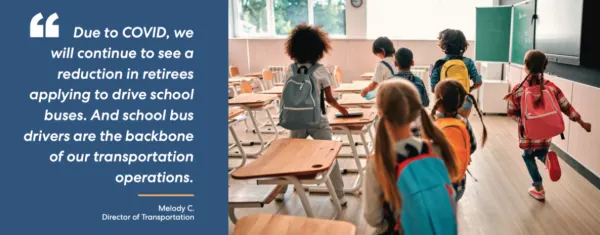
Image courtesy HopSkipDrive
“Many drivers do not plan to return and new candidates aren’t applying due to fear of exposure.” Suzanne S., director of transportation
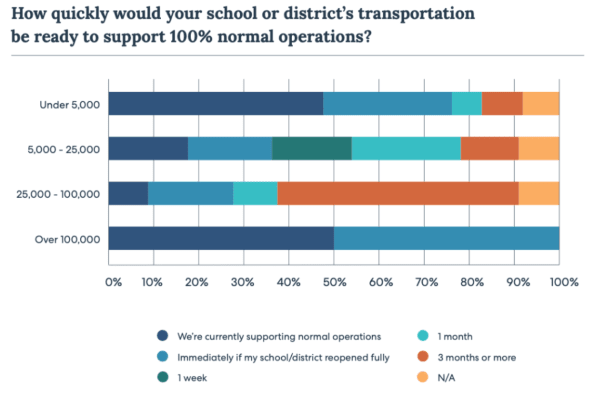
3. Smaller districts would be ready to resume normal operations more quickly than larger ones.
Infographic courtesy HopSkipDrive
Smaller districts largely reported that they were either supporting normal operations or could support normal operations immediately. Districts larger than 25,000 students reported it may take three months or more.
Reasons that operations would take time to ramp up generally had to do with the bus driver shortage and adjustments for COVID-19.
“We will need three to four times the resources to get the same number of students to school.” Robert T., director of transportation

Aylin Cook is the director of content for HopSkipDrive.
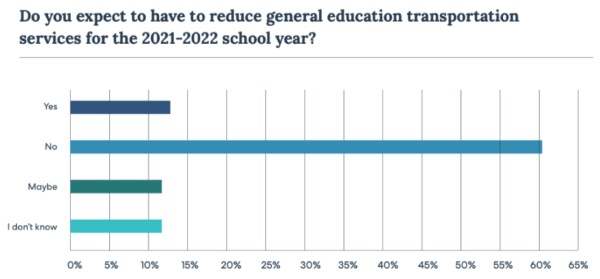
4. The majority of respondents think general education services will stay the same as pre-COVID.
Infographic courtesy HopSkipDrive
Even with varied ramp-up times, 61.54% of respondents will not increase or decrease general education services next school year.
5. The five biggest pain points for school transportation staff were:
● COVID-19 related issues (72% of respondents).
● Staffing (66%).
● Funding constraints (57%).
● School bus utilization (23%).
● Planning transportation for each students (22%).
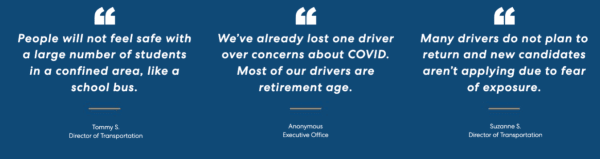
Image courtesy HopSkipDrive
6. Respondents were eager to talk about what’s going well.
Respondents looked on the bright side of this challenging year. Statements included:
“We have created succession planning through our lead driver staff. Social distancing forced us to rely on drivers to communicate to other drivers in the field. We experienced a lot of pivots this year and a high level of communication was needed to garner trust and buy in. The lead drivers helped successfully facilitate and lot of positive change.” - Rosalyn V., executive office
“Teamwork! Our drivers are working together.” Maria B., school transportation staff
Aylin Cook is the director of content for HopSkipDrive.
Subscribe to Our Newsletter
More Blog Posts
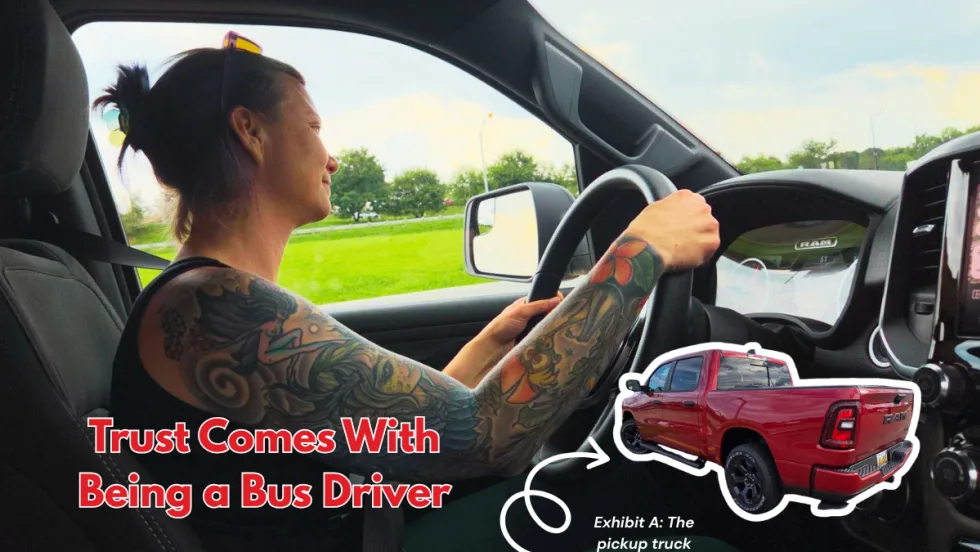
'I’m a School Bus Driver, You Can Trust Me'
A crowded Cleveland parking lot, a full-size pickup, and five unexpected words turned a stressful moment into a reminder of just how much trust we place in school bus drivers every day.
Read More →
The Sound of Summer Starting [Guest Editorial]
That unmistakable school bus rumble? It carries childhood memories, community routines, and a whole lot of unseen work behind the scenes.
Read More →
The Technology Power Combo That Enables EV Charging on Difficult Sites
As the pace of fleet electrification increases and charging infrastructure continues to pose challenges, many fleets find themselves puzzling over the question: how do I install charging infrastructure faster and more cost-efficiently?
Read More →
Trip Sheet: Farewell, Faithful Readers – Keep on Rolling
Executive Editor Wes Platt offers parting thoughts as he parks the School Bus Fleet bus to focus on ultra-local community journalism, making way for someone else to take the wheel as the pupil transportation industry continues to evolve.
Read More →
Trip Sheet: School Transportation Pros Can Champion Children's Mental Health
Children's Mental Health Awareness Day underscores the significance of school bus drivers in fostering supportive environments during students' journeys. SAMHSA's initiatives, including stigma reduction and access to resources, complement the Biden-Harris administration's funding efforts to enhance youth mental health services and workforce development.
Read More →
Trip Sheet: Is It Time for Daylight Saving Time to Clock Out?
How do you think the potential shift to permanent Daylight Saving Time or standard time would impact our daily lives and routines, especially considering the divided approach across various states?
Read More →
Trip Sheet: Meeting a Hero in My Own Back Yard
I remain impressed by the matter-of-fact heroism that’s often demonstrated by school bus drivers like Deona Washington who are caught in these situations where the best of us might lose our cool and panic. But, then again, bus drivers are a unique breed.
Read More →
Trip Sheet: 3 Takeaways from the EPA Clean School Bus Grant Program
Most applicants sought grant funding to acquire electric school buses, with propane coming in a distant second. No one indicated plans to purchase compressed natural gas (CNG) buses in this round. That’s not terribly surprising, I suppose, given how few school districts listed the inclusion of CNG buses in their fleets for our 2023 top district fleets survey.
Read More →
Trip Sheet: Let's Get Rolling: What's Coming in 2024?
Calendar pages keep flipping toward the mandates set in states like New York and California to transition their school bus fleets from diesel to zero-emission, but there’s plenty of reluctance and pushback.
Read More →
California School Children Ride in Green School Buses
Today, California prides itself on utilizing the most zero-emission (ZE) school buses in the country with over 1,689 being used by California school districts; and while the state is on a positive health trajectory thanks to a decree to eliminate gas and diesel vehicles, more work needs to be done to improve children’s well-being.
Read More →