




5 Tips for Summer Coolant Maintenance
Be sure your fleet can take the heat with these guidelines for maintaining coolant formulations and monitoring cooling system performance.
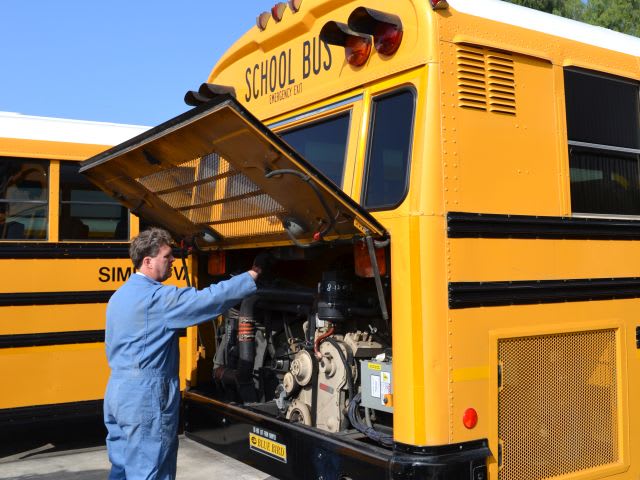
Proper coolant maintenance is just as important in the summer as it is in the winter.
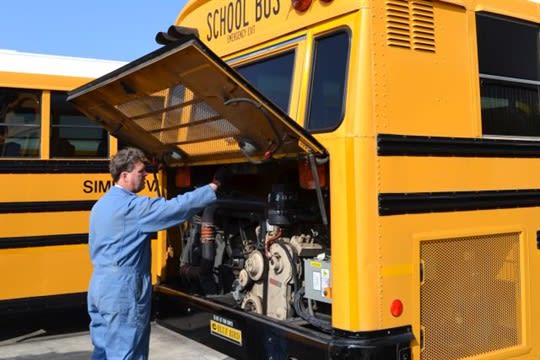
Proper coolant maintenance is just as important in the summer as it is in the winter.
Proper coolant maintenance is just as important in the summer as it is in the winter. Be sure your fleet can take the heat with the following tips for maintaining coolant formulations and monitoring cooling system performance.
1. Check coolant/water ratio
The first step is to check the coolant-to-water ratio. A concentration of more than 65% coolant during the summer can lead to heat exchange issues, which can negatively impact engine components, causing costly damage. When coolant concentration is too low, the coolant can boil, which leads to cavitation, corrosion, and premature engine failure.
As a rule of thumb, a 50/50 ratio of coolant to distilled water should be maintained to ensure efficient heat exchange between engine fluids. Coolant-to-water ratio can be measured using test strips or a glycol refractometer.
2. Perform comprehensive coolant analysis
To monitor both coolant condition and cooling system performance and to identify possible deficiencies in maintenance practices, coolant samples should be taken regularly and sent to a third-party laboratory for quality testing and expert analysis.
Standard testing monitors corrosion, pH, glycol, and inhibitor concentrations and identifies both contaminant and inhibitor metals present. It also provides a visual assessment of any petroleum contaminants or precipitation.
Premium testing can pinpoint cooling system issues, such as localized overheating, air leaks, combustion gas leaks, and electrolysis. By identifying changes in coolant properties, these tests can help prevent premature engine failure and bring to light issues that may pose an immediate or long-term threat to engine life.
Routine coolant analysis can save companies thousands of dollars by reducing both unscheduled downtime and unnecessary coolant drains.
3. Make timely repairs
When coolant or cooling system issues are identified, it’s important to take the necessary maintenance action as soon as possible to avoid overheating cavitation, pitting of metal components, and degradation of the coolant.
When using conventional coolant formulations, supplemental coolant additive treatments must be maintained to protect all equipment systems and seal materials. It’s never a good idea to mix coolants, because some additives may not be compatible with others. It is better to flush the system entirely before switching to a different formulation.
4. Don’t fill with water
It’s a common misconception that the system can simply be filled with water during the summer. Filling with only water can damage the system.
Coolant works to raise the boiling point of the water from 212 degrees Fahrenheit to 225. Properly pressurized systems then increase this boil point further. Using only water poses the risk of a much lower boiling point within the engine, which can lead to catastrophic failure.
A coolant’s corrosion inhibitors prevent a chemical reaction known as galvanic corrosion by inhibiting the flow of electricity. Water, on the other hand, is a conductor, and would allow corrosion to occur at a much faster rate.
Coolants are also very colorful, which is helpful in identifying system leaks. Water may evaporate before a leak is even noticed and could allow the system to run dry, causing costly damage.
5. Educate employees
Drivers and other employees should have enough knowledge of coolant formulations and cooling system maintenance to operate equipment safely and efficiently. They should also be given summertime-specific instructions for recognizing any “red flags” that might indicate the onset of an issue. Also, review reporting policies with them so that when problems are identified, they can be addressed in time to prevent unnecessary failure.
Charlie Gay, CLS, OMA, is a senior data analyst at Analysts Inc. He has more than 40 years of experience as a fluid analysis laboratory data analyst. As a senior data analyst with Analysts Inc., Charlie provides customers with data interpretation, corrective action, and proactive maintenance recommendations, training, and sales support. His areas of expertise include analytical ferrography, micropatch and magnetic plug evaluation, refrigeration/refrigerant test data interpretation, and power generation, including nuclear, coal, and wind power, fuels, coolants, and specialty lubricants.
More Blog Posts

The Sound of Summer Starting [Guest Editorial]
That unmistakable school bus rumble? It carries childhood memories, community routines, and a whole lot of unseen work behind the scenes.
Read More →
The Technology Power Combo That Enables EV Charging on Difficult Sites
As the pace of fleet electrification increases and charging infrastructure continues to pose challenges, many fleets find themselves puzzling over the question: how do I install charging infrastructure faster and more cost-efficiently?
Read More →
Trip Sheet: Farewell, Faithful Readers – Keep on Rolling
Executive Editor Wes Platt offers parting thoughts as he parks the School Bus Fleet bus to focus on ultra-local community journalism, making way for someone else to take the wheel as the pupil transportation industry continues to evolve.
Read More →
Trip Sheet: School Transportation Pros Can Champion Children's Mental Health
Children's Mental Health Awareness Day underscores the significance of school bus drivers in fostering supportive environments during students' journeys. SAMHSA's initiatives, including stigma reduction and access to resources, complement the Biden-Harris administration's funding efforts to enhance youth mental health services and workforce development.
Read More →
Trip Sheet: Is It Time for Daylight Saving Time to Clock Out?
How do you think the potential shift to permanent Daylight Saving Time or standard time would impact our daily lives and routines, especially considering the divided approach across various states?
Read More →
Trip Sheet: Meeting a Hero in My Own Back Yard
I remain impressed by the matter-of-fact heroism that’s often demonstrated by school bus drivers like Deona Washington who are caught in these situations where the best of us might lose our cool and panic. But, then again, bus drivers are a unique breed.
Read More →
Trip Sheet: 3 Takeaways from the EPA Clean School Bus Grant Program
Most applicants sought grant funding to acquire electric school buses, with propane coming in a distant second. No one indicated plans to purchase compressed natural gas (CNG) buses in this round. That’s not terribly surprising, I suppose, given how few school districts listed the inclusion of CNG buses in their fleets for our 2023 top district fleets survey.
Read More →
Trip Sheet: Let's Get Rolling: What's Coming in 2024?
Calendar pages keep flipping toward the mandates set in states like New York and California to transition their school bus fleets from diesel to zero-emission, but there’s plenty of reluctance and pushback.
Read More →
California School Children Ride in Green School Buses
Today, California prides itself on utilizing the most zero-emission (ZE) school buses in the country with over 1,689 being used by California school districts; and while the state is on a positive health trajectory thanks to a decree to eliminate gas and diesel vehicles, more work needs to be done to improve children’s well-being.
Read More →
Behind The Wheel of Childrens’ Safety Aboard the School Bus
Bus drivers are the primary caretakers of children during their commute and thus bear responsibility for their safety. By prioritizing proper operating procedures, maintenance checks, and additional precautions, drivers can help avoid the loss of precious young lives under their care.
Read More →