




5 Lesser-Known Propane Benefits for School Buses
Michael Taylor of the Propane Education & Research Council points to additional advantages that the alternative fuel offers for school transportation.
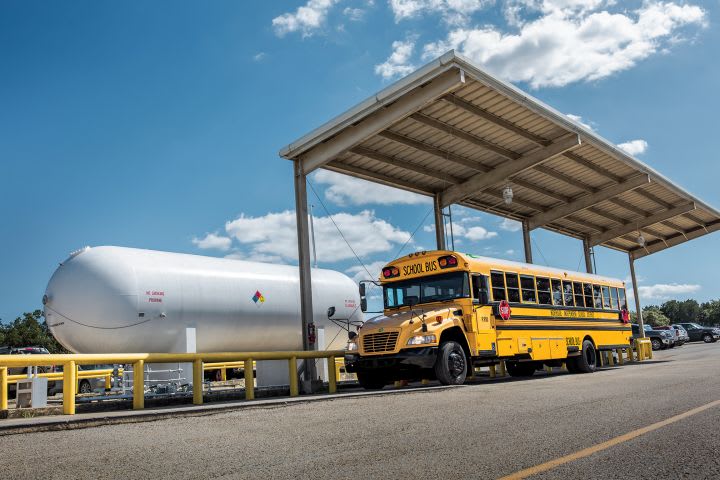
Propane school buses offer low total cost of ownership and refueling infrastructure can accommodate any fleet size. Shown here, a propane bus refuels at Northside Independent School District in San Antonio, Texas.
Propane school buses offer low total cost of ownership and refueling infrastructure can accommodate any fleet size. Shown here, a propane bus refuels at Northside Independent School District in San Antonio, Texas.
The following editorial was contributed by Michael Taylor of the Propane Education & Research Council.
More school buses are running on propane autogas now than ever before.
Since 2012, sales of propane buses have grown by almost 500%, with propane buses operating in 22 of the largest 25 designated market areas and four of the 10 largest school districts in the country.
At the start of the 2017-18 school year, nearly 13,000 propane buses were in use by districts in 47 states, taking almost 800,000 students to school daily.
Some transportation directors are choosing propane over other fuels, for a variety of factors. Many already find propane school buses to be less expensive to operate, cleaner for the environment, and safe for students. However, there are even more benefits offered by propane that transportation directors may be surprised to learn.
1. Propane is a proven alternative.
Propane fuel systems in school buses are often viewed as an emerging or unproven technology, but that simply isn’t the case. Propane has actually been powering school buses since the 1970s.
It’s been a long-accepted fuel solution for school buses across Texas, the backyard of the U.S. energy industry. Texas districts were some of the earliest adopters, including Northside Independent School District in San Antonio, and Alvin Independent School District, which started using propane in the early 1980s.
Many districts in the Lone Star State, with easy access to any fuel type at their fingertips, continue to choose propane. Texas now accounts for more than 20% of the total number of propane school buses nationwide.
2. Propane buses offer the lowest total cost of ownership.
Propane school buses offer the lowest total cost of ownership of any fuel. Some districts recoup their initial investment in the buses in as little as 18 to 24 months because of the reduced fuel prices and maintenance costs associated with propane buses.
Wholesale propane is historically less expensive than conventional fuels, and costs typically fall between the prices of oil and natural gas, from which propane is produced. Using propane also allows school districts to insulate themselves from market fluctuations by locking in an annual fuel price with their local propane retailer.
Because propane burns clean, maintenance costs are greatly reduced. Propane buses require less oil by volume, and add-on filters required by diesel buses are unnecessary, too.

Michael Taylor is the director of autogas business development for the Propane Education & Research Council.
3. Refueling infrastructure accommodates any fleet size.
Districts have multiple refueling options for their propane school bus fleet, so a refueling strategy can be tailored to the individual needs of each fleet.
Some districts will benefit most from joining a refueling network. This is a good option for school bus fleets with limited space at their facility to add refueling infrastructure. Refueling networks offer the advantage of 24/7 access, typically through a card-lock system.
Fleets with enough space at their facilities can consider on-site refueling infrastructure, which is the most affordable to install of any fuel. A centralized location offers convenience and reduced downtime for drivers, and the station can be scaled up to meet the district’s fleet needs as it grows. Districts can either lease infrastructure from a propane retailer or purchase their own infrastructure.
4. Propane is a nontoxic, noncontaminant, and no-spill fuel.
Schools that use propane don’t have to worry about leaking fuel onto sidewalks and streets where students and drivers could be exposed to the harmful chemicals that make up gasoline and diesel.
Propane is actually a no-spill fuel — the buses use a closed-loop fuel system. The fuel has also been designated as a non-contaminant of soil, air, and water by the EPA. Especially at maintenance and garaging facilities, this gives school districts a major advantage by eliminating hazmat cleanup concerns or future environmental mitigation if facilities are moved.
5. Propane is local.
Unlike other fuels, propane is a local fuel. Propane retailers are small business owners and members of the community the school district serves, so it’s another way to keep school district dollars in the community.
There are plenty of reasons that more and more school districts are adding propane school buses to their fleets, from cost savings to providing better services for students and the community. To learn more about propane school buses from districts already operating them, visit propane.com/on-road-fleets.
More Blog Posts

'I’m a School Bus Driver, You Can Trust Me'
A crowded Cleveland parking lot, a full-size pickup, and five unexpected words turned a stressful moment into a reminder of just how much trust we place in school bus drivers every day.
Read More →
The Sound of Summer Starting [Guest Editorial]
That unmistakable school bus rumble? It carries childhood memories, community routines, and a whole lot of unseen work behind the scenes.
Read More →
The Technology Power Combo That Enables EV Charging on Difficult Sites
As the pace of fleet electrification increases and charging infrastructure continues to pose challenges, many fleets find themselves puzzling over the question: how do I install charging infrastructure faster and more cost-efficiently?
Read More →
Trip Sheet: Farewell, Faithful Readers – Keep on Rolling
Executive Editor Wes Platt offers parting thoughts as he parks the School Bus Fleet bus to focus on ultra-local community journalism, making way for someone else to take the wheel as the pupil transportation industry continues to evolve.
Read More →
Trip Sheet: School Transportation Pros Can Champion Children's Mental Health
Children's Mental Health Awareness Day underscores the significance of school bus drivers in fostering supportive environments during students' journeys. SAMHSA's initiatives, including stigma reduction and access to resources, complement the Biden-Harris administration's funding efforts to enhance youth mental health services and workforce development.
Read More →
Trip Sheet: Is It Time for Daylight Saving Time to Clock Out?
How do you think the potential shift to permanent Daylight Saving Time or standard time would impact our daily lives and routines, especially considering the divided approach across various states?
Read More →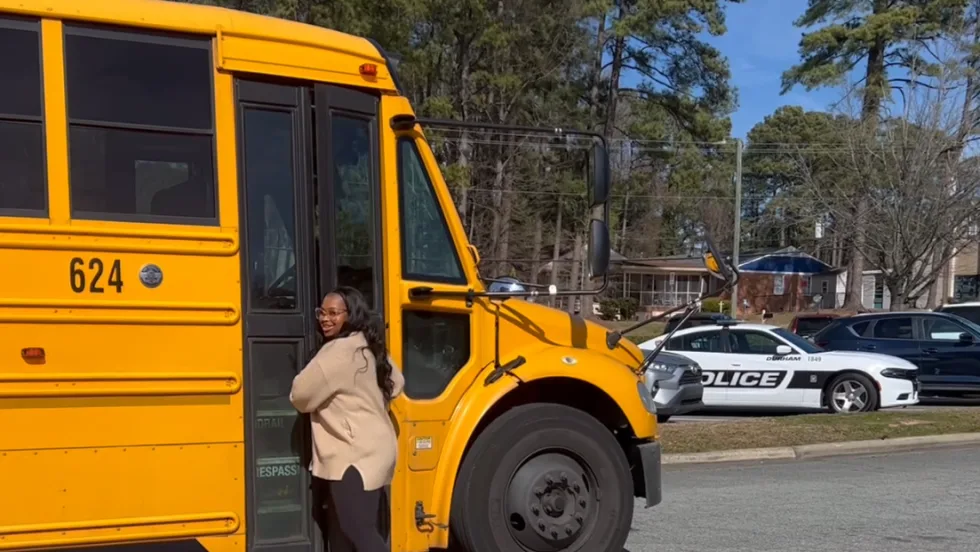
Trip Sheet: Meeting a Hero in My Own Back Yard
I remain impressed by the matter-of-fact heroism that’s often demonstrated by school bus drivers like Deona Washington who are caught in these situations where the best of us might lose our cool and panic. But, then again, bus drivers are a unique breed.
Read More →
Trip Sheet: 3 Takeaways from the EPA Clean School Bus Grant Program
Most applicants sought grant funding to acquire electric school buses, with propane coming in a distant second. No one indicated plans to purchase compressed natural gas (CNG) buses in this round. That’s not terribly surprising, I suppose, given how few school districts listed the inclusion of CNG buses in their fleets for our 2023 top district fleets survey.
Read More →
Trip Sheet: Let's Get Rolling: What's Coming in 2024?
Calendar pages keep flipping toward the mandates set in states like New York and California to transition their school bus fleets from diesel to zero-emission, but there’s plenty of reluctance and pushback.
Read More →
California School Children Ride in Green School Buses
Today, California prides itself on utilizing the most zero-emission (ZE) school buses in the country with over 1,689 being used by California school districts; and while the state is on a positive health trajectory thanks to a decree to eliminate gas and diesel vehicles, more work needs to be done to improve children’s well-being.
Read More →