




14 signs and symptoms of ‘bleeding yellow’
The term “bleed yellow” is like a declaration of one’s commitment to the school transportation cause. But how can you be sure that you fit the bill? If bleeding yellow were a medical condition, how would a doctor diagnose you with it?

Frank Di Giacomo is publisher of School Bus Fleet and vice president, bus and rail, at Bobit Business Media.
You don’t have to be in the school bus industry long before you’ll hear the term “bleed yellow.” Examples:
• “Patti has a passion for pupil transportation. She bleeds yellow.”
• “I used to bleed red before I starting working with school buses, but now I bleed yellow.”
To anyone who isn’t familiar with our industry, hearing about someone bleeding yellow may be cause for alarm. But for those in the know, the term is like a declaration of one’s commitment to the school transportation cause.
Of course, it’s easy to say that you bleed yellow, but how can you be sure that you fit the bill?
If bleeding yellow were a medical condition, how would a doctor diagnose you with it? What would be the signs and symptoms?
With tongue partially in cheek, here’s our attempt to list some of the common characteristics of the “bleeding yellow” condition — which, by the way, may be contagious.
1. You call the passengers on your buses “precious cargo” — even when their behavior isn’t so precious.
2. Whenever you see a school bus on the road, you turn your head to see what type of bus it is and which district or contractor it belongs to.
3. Better (or worse) yet, you can identify the make and model of a school bus from a long distance.
4. You have a collection of school bus memorabilia in your office, and possibly even at home.
5. You read magazines about school buses (wink, wink).
6. Your “vacations” are trips to pupil transportation conferences and trade shows.
7. You constantly seek out professional education and certification opportunities (thanks to NAPT’s Mike Martin for identifying this indicator).
8. You’ve worked your way up through the ranks to the transportation director position, but you still drive a bus whenever you get a chance.
9. You wear yellow clothing much more often than the general public.
10. At least one of your ties has school buses on it.
11. You use unwieldy acronyms like FMVSS and MFSAB in casual conversation.
12. Wherever you go, you find yourself talking to people about how school buses are the safest way for students to get to and from school.
13. Your job is demanding, you work long hours and some days feel like barely controlled chaos — but you love it.
14. You could have gone into a more financially lucrative line of work, but safely transporting students proved to be a more rewarding calling.
If you have one or more of the signs and symptoms listed above, don’t be concerned. Please keep doing what you’re doing.
You are making a difference in the lives of students. You are helping to protect them and to give them access to an education.
We need people who bleed yellow.
More Blog Posts

The Sound of Summer Starting [Guest Editorial]
That unmistakable school bus rumble? It carries childhood memories, community routines, and a whole lot of unseen work behind the scenes.
Read More →
The Technology Power Combo That Enables EV Charging on Difficult Sites
As the pace of fleet electrification increases and charging infrastructure continues to pose challenges, many fleets find themselves puzzling over the question: how do I install charging infrastructure faster and more cost-efficiently?
Read More →
Trip Sheet: Farewell, Faithful Readers – Keep on Rolling
Executive Editor Wes Platt offers parting thoughts as he parks the School Bus Fleet bus to focus on ultra-local community journalism, making way for someone else to take the wheel as the pupil transportation industry continues to evolve.
Read More →
Trip Sheet: School Transportation Pros Can Champion Children's Mental Health
Children's Mental Health Awareness Day underscores the significance of school bus drivers in fostering supportive environments during students' journeys. SAMHSA's initiatives, including stigma reduction and access to resources, complement the Biden-Harris administration's funding efforts to enhance youth mental health services and workforce development.
Read More →
Trip Sheet: Is It Time for Daylight Saving Time to Clock Out?
How do you think the potential shift to permanent Daylight Saving Time or standard time would impact our daily lives and routines, especially considering the divided approach across various states?
Read More →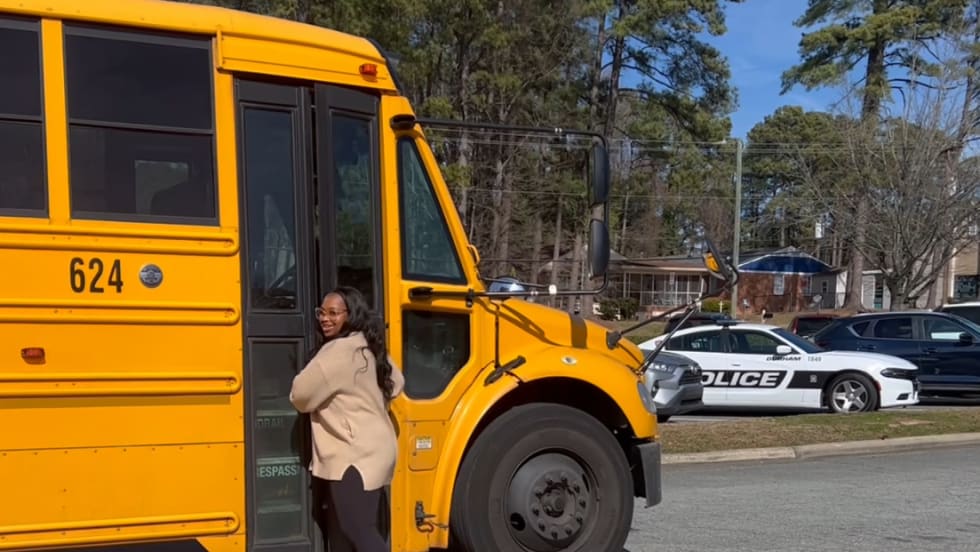
Trip Sheet: Meeting a Hero in My Own Back Yard
I remain impressed by the matter-of-fact heroism that’s often demonstrated by school bus drivers like Deona Washington who are caught in these situations where the best of us might lose our cool and panic. But, then again, bus drivers are a unique breed.
Read More →
Trip Sheet: 3 Takeaways from the EPA Clean School Bus Grant Program
Most applicants sought grant funding to acquire electric school buses, with propane coming in a distant second. No one indicated plans to purchase compressed natural gas (CNG) buses in this round. That’s not terribly surprising, I suppose, given how few school districts listed the inclusion of CNG buses in their fleets for our 2023 top district fleets survey.
Read More →
Trip Sheet: Let's Get Rolling: What's Coming in 2024?
Calendar pages keep flipping toward the mandates set in states like New York and California to transition their school bus fleets from diesel to zero-emission, but there’s plenty of reluctance and pushback.
Read More →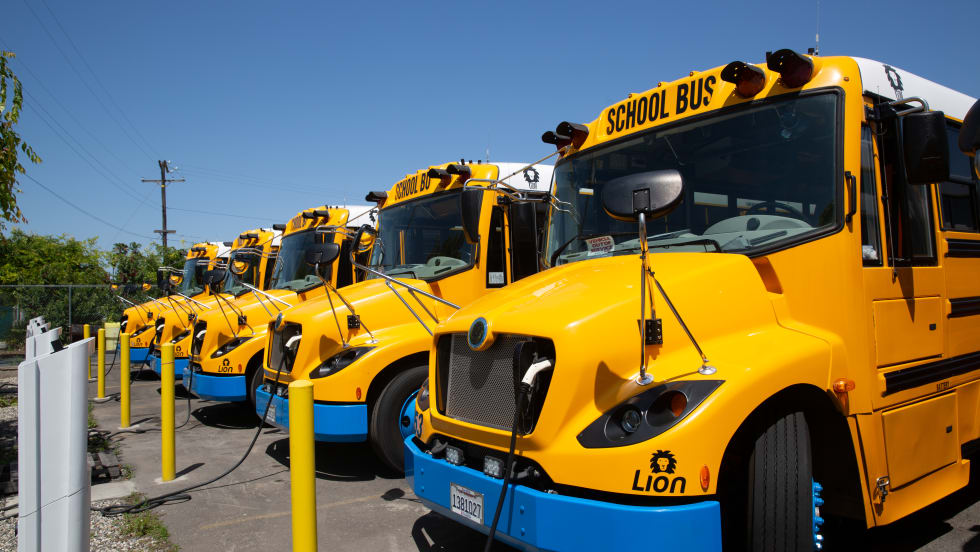
California School Children Ride in Green School Buses
Today, California prides itself on utilizing the most zero-emission (ZE) school buses in the country with over 1,689 being used by California school districts; and while the state is on a positive health trajectory thanks to a decree to eliminate gas and diesel vehicles, more work needs to be done to improve children’s well-being.
Read More →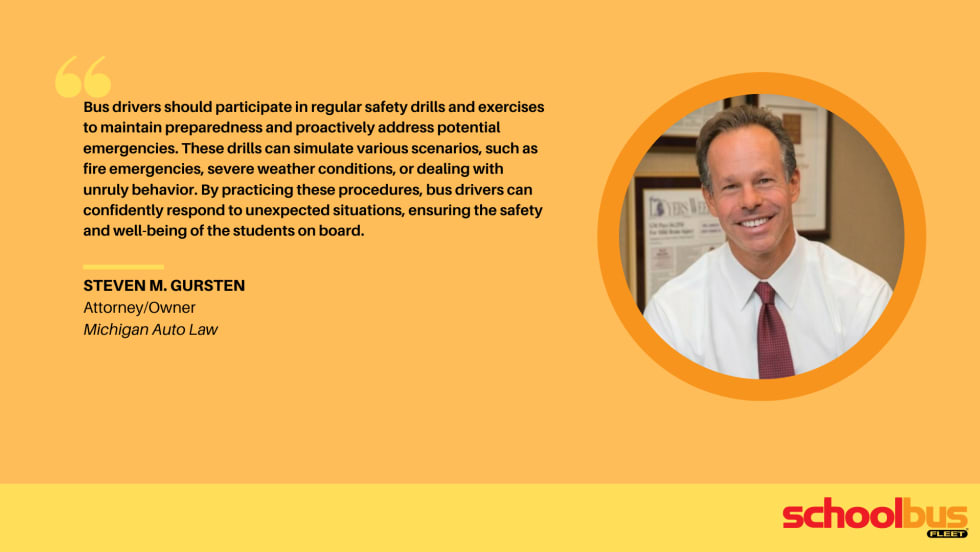
Behind The Wheel of Childrens’ Safety Aboard the School Bus
Bus drivers are the primary caretakers of children during their commute and thus bear responsibility for their safety. By prioritizing proper operating procedures, maintenance checks, and additional precautions, drivers can help avoid the loss of precious young lives under their care.
Read More →