


 MENU
MENU SEARCHMENUSEARCH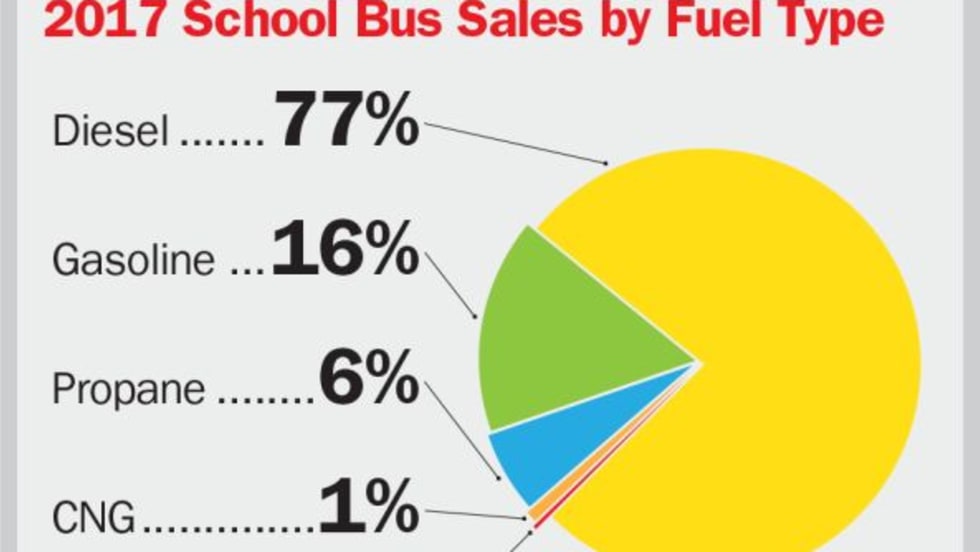
Diesel has long been the foremost fuel when it comes to large school buses, but there was a noteworthy shift in 2017 as gasoline Type C school buses came into the picture. Propane was the most popular alternative fuel.
Read More →
John Gonzales, a senior engineer for NREL, discusses alt-fuel trends, funding from the Volkswagen settlements, and the potential of electric school buses.
Read More →
School bus drivers like the “Rolling Study Halls” program because, with students occupied doing class assignments, there is less need for driver attention to maintaining order and discipline on the bus.
Read More →
The cost factors of alternative fuels and the transportation impact of school reform are also key topics at the 2018 edition of the event.
Read More →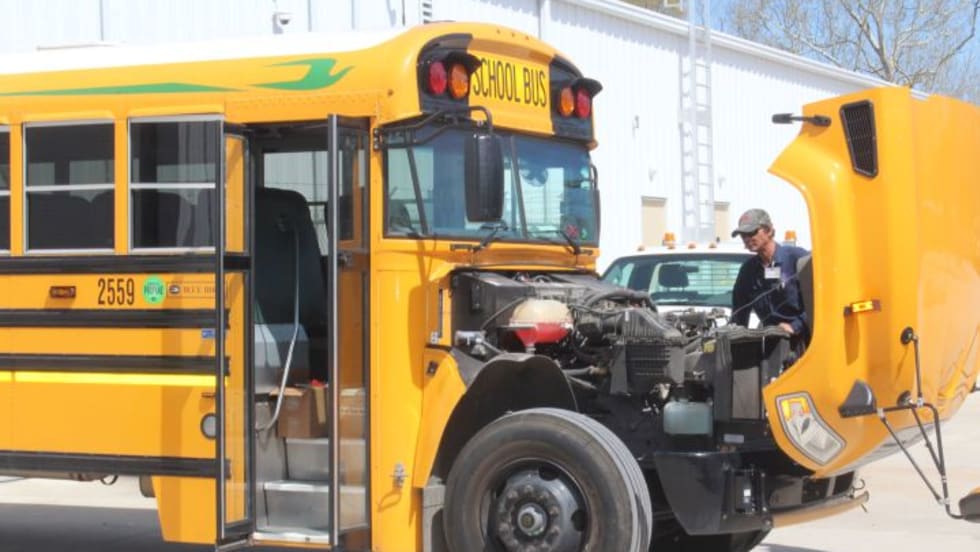
Following a 2016 flood that devastated the state, East Baton Rouge Parish Schools saw a chance to replace its damaged diesel buses while shifting to a propane fleet.
Read More →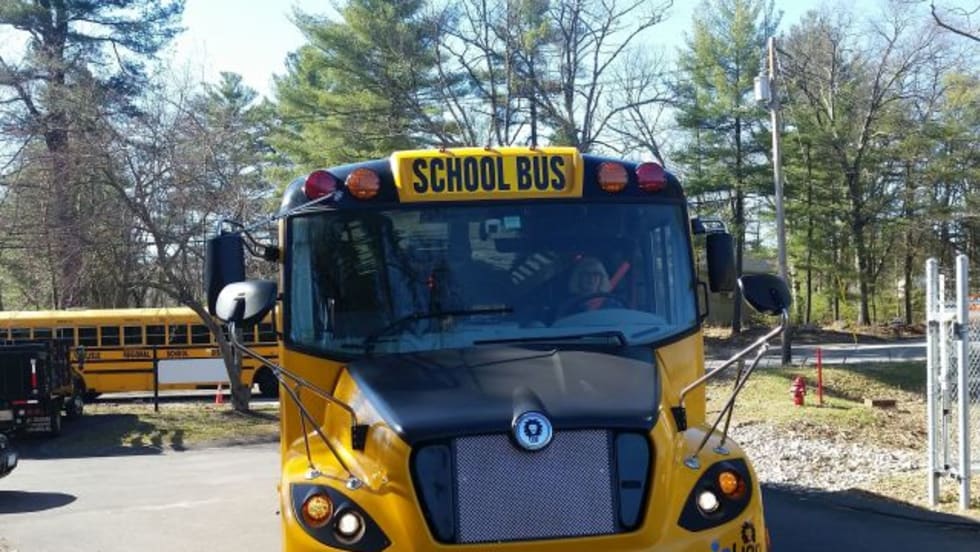
Operators see reliable and quieter operation, fuel cost savings, and longer brake life. They recommend partnering with utility companies, installing charging infrastructure before receiving buses, and extensive driver training.
Read More →
In addition to their nimble, responsive service, the kid-focused rideshares offer a learning opportunity in how they cater to parents’ needs and wants.
Read More →
It is imperative that the school bus driver of today be aware of the many warning signs and indicators of violence that are present in these types of situations.
Read More →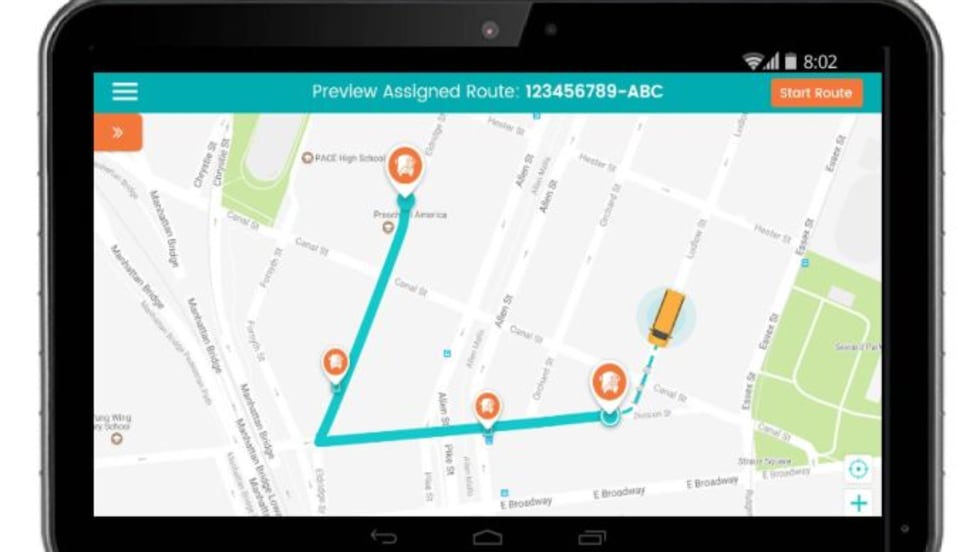
This final installment looks at federal rules on distracted driving and state specs on mobile data terminals. As with the technology itself, regulations need to be honed based on experience.
Read More →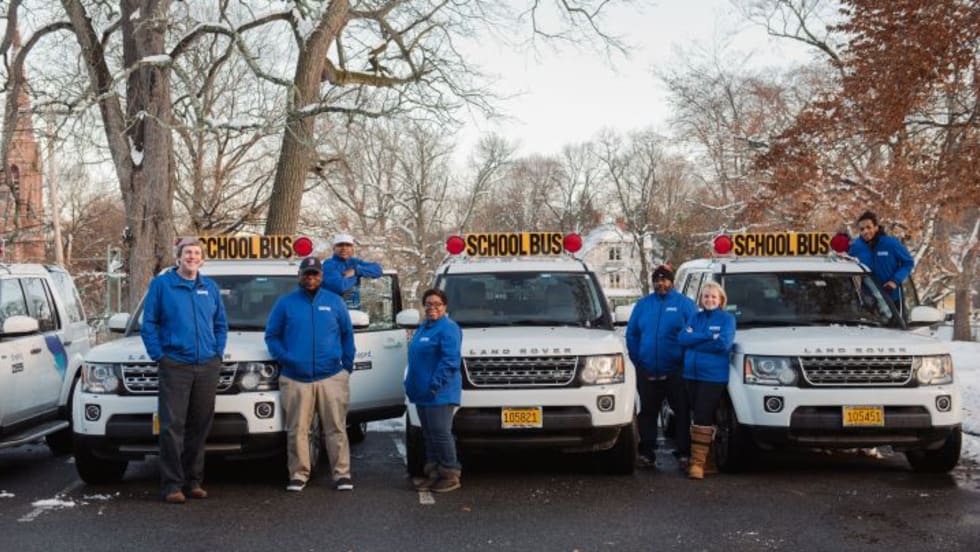
Before alternative student transportation became a growing industry, app-based providers were already using cars and SUVs to fill gaps in traditional school bus service.
Read More →