




With friends like these, who needs enemies?
The EPA offered strong evidence recently of its support for the rhetoric offered by environmental advocates on the tenuous link between air quality an...
The EPA offered strong evidence recently of its support for the rhetoric offered by environmental advocates on the tenuous link between air quality and school bus safety. The agency's stance is particularly significant because although the EPA is not only the federal agency that regulates diesel emissions under the Clean Air Act, it is often viewed as a bellwether of the current political climate.
To say that the industry should be extremely disappointed with the way the Bush Administration handled the EPA launch of its especially aggressive effort to clean up school bus emissions is an understatement. We had been under the impression that the Bush Administration's policy was to work in partnership with the industry to ensure that decisions affecting it have the benefit of input from as many diverse viewpoints as possible. Apparently that's nothing more than political rhetoric. The school bus industry has considerable experience with the diesel emissions issue and represents a constituency that is directly affected by the EPA's new policy. Yet we weren't invited to participate in the policy-making process until very late in the game. Nevertheless, we have made a strong effort to share with the EPA our concerns about the initiative.
Misleading the public
First and foremost, we have expressed grave concern that the way the EPA campaign (tentatively called "Clean School Bus USA") is presented to the public could actually endanger children and do significant damage to the pupil transportation industry. It's well known that school buses are the safest mode of ground transportation in America. In addition, a recent study by the Transportation Research Board concluded that more than 800 school-aged children die each year because they walk, bicycle or ride to school in a passenger car with a parent or friend — a stark contrast to the six school bus passenger fatalities per year. If this initiative frightens parents or policy-makers into thinking that riding in a school bus is dangerous to their child's health — and therefore results in fewer children using school bus transportation — more children will die.
At a time when states are strapped financially, we question the wisdom and timing of a national push to replace existing school buses based solely on interest group "studies." The fiscal reality is that states are struggling to fund existing obligations for essential services, including pupil transportation. Adding political pressure for under-funded or perhaps even unfunded new initiatives will only exacerbate the problem. It's also unlikely that private businesses, many struggling financially, would voluntarily "adopt" and provide funds for the retrofit, repower or purchase of new school buses in meaningful numbers.
Progress already underway
The school transportation industry, particularly NAPT, is not opposed to the evolutionary replacement of existing diesel engines with newer, cleaner-burning models. In fact, our industry voluntarily began such initiatives several years ago. Many states and local school districts are already moving in that direction as the technology becomes available and consistent with state resources.
Millions of Americans have been served by diesel-powered school buses without any known adverse health effects. To our knowledge, neither the EPA nor any of the environmental or air quality advocates can find even one person who has cancer, asthma, emphysema or any other respiratory affliction that can be directly linked to riding a school bus.
NAPT intends to remain steadfast in our resolve to tell the American public "the rest of the story" if EPA continues to press this initiative at the risk of overall student safety. We will also remain optimistic that EPA and NAPT could ultimately work together on this initiative. For now, however, we urge everyone in the industry to remain vigilant — because with friends like these, who needs enemies?
Donald Paull of Capital Bus Sales & Service of Texas, is president of the National Association for Pupil Transportation.
More Alternative Fuels
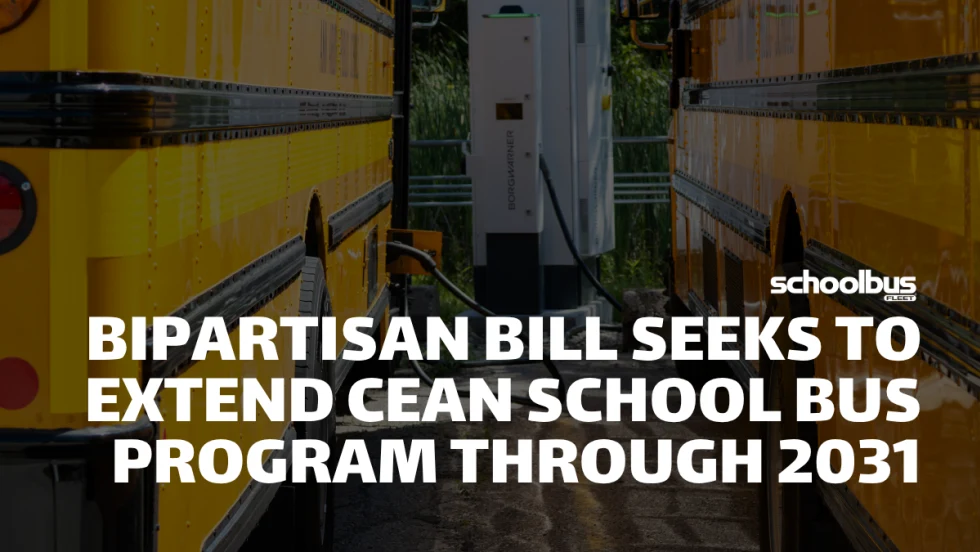
Bipartisan Bill Seeks to Extend Clean School Bus Program Through 2031
The proposed legislation would renew federal support for cleaner school buses as districts navigate funding uncertainty, rising fuel and infrastructure costs, and fleet replacement needs.
Read More →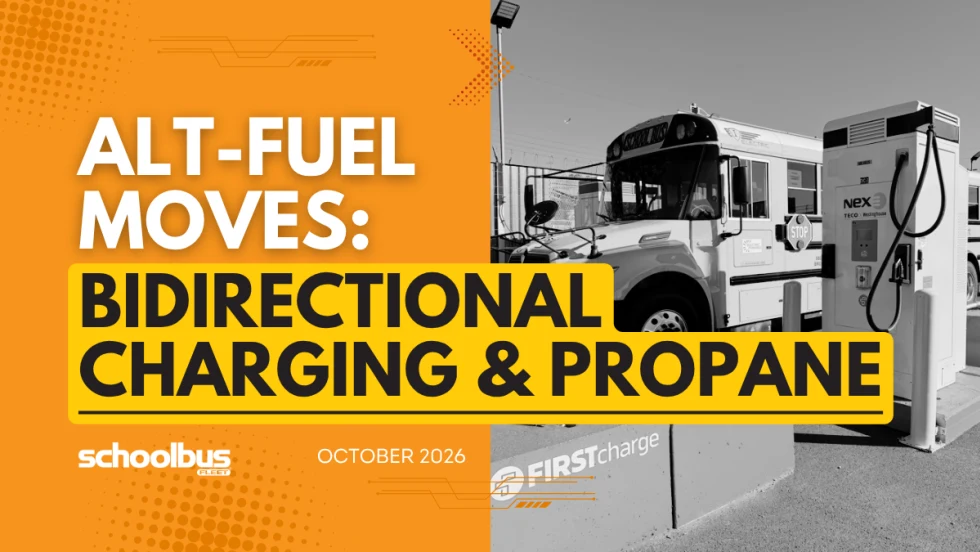
Alt-Fuel Moves: Electric Bus Rollouts, Bidirectional Charging & Propane Growth
See which fleets are adding electric and propane school buses as districts and operators invest in charging infrastructure, bidirectional technology, and alternative-fuel expansion.
Read More →
Nobody Told Diesel Prices They Were Supposed to Come Down
With diesel prices surging, school bus fleets have new reason to stress-test fuel costs, consider diversification, and calculate what each route really costs to operate.
Read More →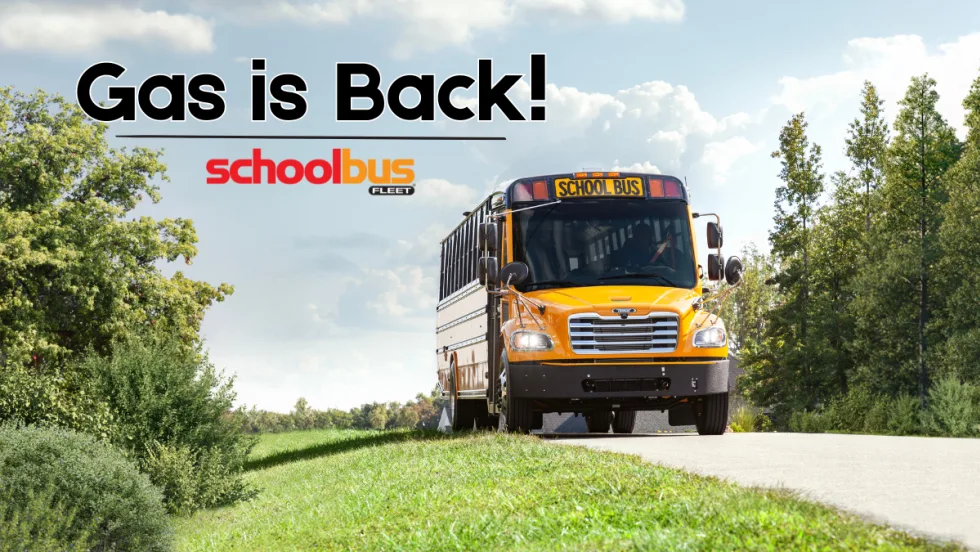
Why Gasoline School Buses Are Making a Comeback
Gasoline is gaining ground in full-size school buses. See how today’s options stack up against diesel on cost, maintenance, emissions, performance, and more.
Read More →
EPA Opens $180M DERA Funding Round for Diesel Upgrades
The 2026 Diesel Emissions Reduction Act program seeks applications from eligible organizations to accelerate the retirement of legacy diesel vehicles.
Read More →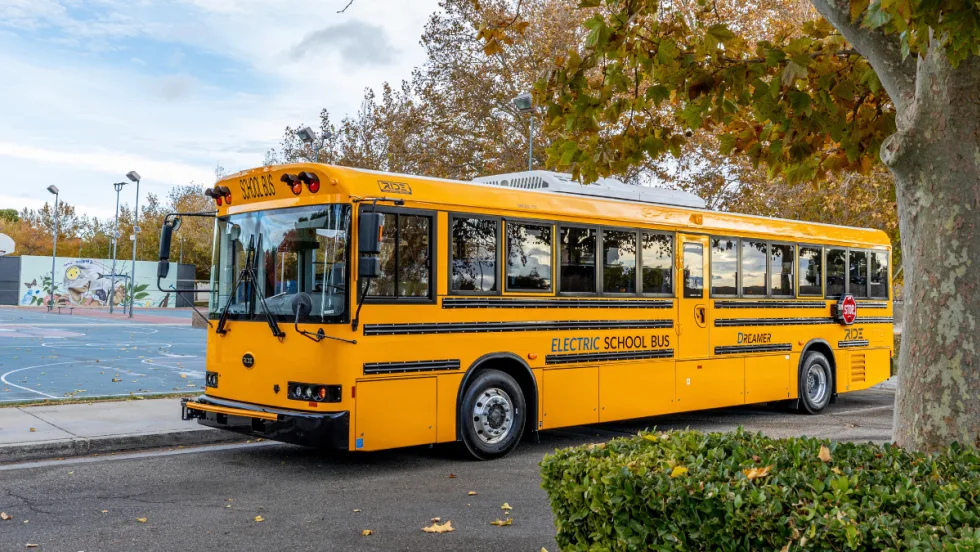
The Secret Life of an Electric School Bus Battery
Batteries change throughout years of daily routes, but degradation doesn’t necessarily mean the end. Here’s what operators should know about performance, safety, and second life.
Read More →
CALSTART and Forth Combine to Form Catalyst Mobility
The new name represents a renewed vision for the nonprofit focused on advancing clean, equitable, and affordable transportation solutions that move people and goods.
Read More →
Alt-Fuel Moves: New Buses, Charging Hubs & Real-World EV Testing
Propane and electric school bus deployments continue to grow as districts add new vehicles, expand charging infrastructure, and gather more real-world operating data.
Read More →
Fewer Electric School Bus Models Reshape the U.S. Market
WRI’s latest buyer’s guide points to a consolidating electric school bus market, but fewer options may reflect a maturing industry rather than fewer meaningful choices for school bus operators.
Read More →
The Fuel Budget You Can Actually Predict: How Propane Autogas Keeps Money in the Classroom
Learn how propane autogas helps school districts manage fuel costs with predictable pricing, lower maintenance, and reduced emissions from former transportation director Joel Stutheit.
Read More →