




Winds of change bring dispiriting challenges
In Oceanside, Calif., approximately 5,000 middle and high school students who previously rode a school bus will have to find another means of getting ...
In Oceanside, Calif., approximately 5,000 middle and high school students who previously rode a school bus will have to find another means of getting to and from school during the upcoming school year.
Faced with a devastating budget shortfall, the school board at Oceanside Unified School District slashed the transportation budget by $1.5 million for the 2003-04 school year. And more transportation cuts may be necessary for 2004-05.
The dollar figure doesn’t tell the whole story, at least not in terms of the human toll. Twenty-five employees have received layoff notices, including 19 drivers, five bus attendants and one parts clerk. In California, jobs are especially hard to come by. We can only wish them luck in their pursuit of another source of income.
Meanwhile, John Farr, the transportation director in Oceanside, is retiring June 30, and his position will be replaced by a lower-pay transportation manager position. About 10 miles east of Oceanside, at Vista Unified School District, the transportation director position was not downgraded — it was eliminated. Twenty-six transportation professionals with nowhere to go in the morning.
Hand-wringing across America
Oceanside and Vista are by no means alone in this bus-related bloodletting. Across the country, school boards are taking drastic measures to bring their budgets under control. Among the strategies adopted by school boards: increasing walking distances, consolidating bus stops, imposing parent-pay systems, curtailing busing for activity trips and, in some cases, eliminating home-to-school transportation altogether.
If these were short-term “adjustments,” the situation would not appear so dire. But, as we all know, once cuts are imposed, it’s difficult to convince budget planners and the powers-that-be that the services should be restored once the economy recovers and funding becomes plentiful.
After a few years, many communities will forget that transportation was once more comprehensive. And suggestions to return funding to the transportation department will be met with skepticism: “We need more books, not buses.” “How can we give teachers raises if we keep pumping money into the bus yard?” “Since when did transportation become a high-priority budget item?” How quickly they forget.
Can’t get any respect?
As John puts it, “We are the Rodney Dangerfields of school districts.” Not getting any respect from teachers and administrators is a way of life for many transportation professionals. Part of that image problem, John says, stems from the inconveniences forced upon these “colleagues” by the transportation department, such as changing bell times for greater transportation efficiency, creating rigid dismissal schedules so students can catch their buses and bringing even more discipline problems to their doorstep.
Yes, there are many school districts that recognize and respect the transportation program, whether it’s publicly or privately operated. But when tough budget cuts have to be made, school boards first scrutinize ancillary support or, to put it another way, look everywhere except the classroom.
I mentioned earlier that John is retiring. That’s not quite accurate. He may be leaving Oceanside, but he’s not leaving the business. At press time, he was prepared to seek a new transportation director position, for at least three more years. “In spite of all these budget problems, I love the job, the people and the challenges,” John says. “Bring it on!”
My guess is that John is not alone. Despite the current onslaught of challenges, most of you probably feel the same way. Curtailing bus service is a dangerous way to save dollars, but these are extraordinary times. The key is to maintain the highest quality of safe service that diminished budgets will allow. Just one more test that I’m sure you’re prepared to pass.
More Management

How to Build a Better Driver Training Program
Ready to boost up your school bus instructor training? Here’s how to pick the right talent and improve recruitment, retention, and safety.
Read More →
CALSTART and Forth Combine to Form Catalyst Mobility
The new name represents a renewed vision for the nonprofit focused on advancing clean, equitable, and affordable transportation solutions that move people and goods.
Read More →
What Makes a Great School Bus Driver Trainer?
Choosing the right school bus driver trainer takes more than experience. Learn six keys to selecting and developing trainers and evaluating program effectiveness.
Read More →

School Bus Contractors Expand Through New Deals, Acquisitions & Partnerships
STA's Canadian division acquires Ontario-based G&L Stevenson Transport; Durham School Services adds a new district in California; First Student expands in New Jersey; and Minnesota Coaches rebrands and acquires Halo Transportation.
Read More →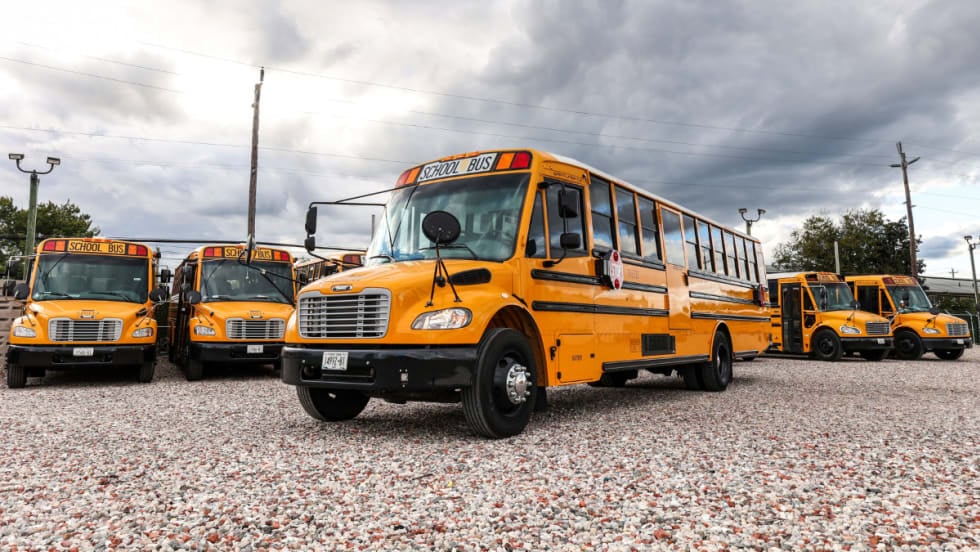
Logan Bus Company Rolls Out AI Phone System for NYC School Bus Families
A summer pilot found that AI agents could handle most routine calls, freeing up time for customer service staff to focus on emergencies and complex family concerns.
Read More →
From Intent to Impact: What I Learned About Leadership from TAPT
A Texas transportation supervisor shares lessons on self-awareness, accountability, managing stress and building trust — and why investing in leadership development matters at every stage of your career.
Read More →
NAPT Names 2026 Award Recipients, Hall of Fame Inductee
Who earned national recognition for their work in student transportation? This year, NAPT named five recipients of its 2026 awards for service, safety, and leadership, plus its newest Hall of Famer.
Read More →
2026 State of Student Transportation Report
Driver shortages. Rising costs. Growing safety expectations. More data, but not enough time to act on it. The 2026 State of Student Transportation Report reveals what transportation leaders say is putting the most pressure on their operations—and where they’re investing next. See how your priorities compare.
Read More →
How to De-Escalate an Angry Person: 5 Steps for Handling Workplace Conflict
What makes emotions run high, and how should you handle an angry colleague or parent? Follow these steps for staying calm, listening, showing empathy, and resolving conflict.
Read More →
What Readiness Looks Like This School Year
Learn about the challenges shaping the 2026–2027 school year, from persistent driver shortages and budget pressure to technology and readiness gaps. See how school districts are responding and adapting in Zonar’s 2026 Back-to-School Readiness Report.
Read More →