




Where there's fire, there's smoke
Did you read the headline closely? If so, you should have noticed that it’s "reversed." The proper cliché, if there is such a thing, is "Where there's...
Did you read the headline closely? If so, you should have noticed that it’s "reversed." The proper cliché, if there is such a thing, is "Where there's smoke, there's fire."
If you didn’t catch that alteration, you probably have the same problem that I do: You’re bombarded with so much information that you don’t pay close attention to any of it.
With the distractions of e-mail, the Internet, newspapers, magazines, television, junk mail, cell phones, pagers, PDAs, telemarketers and skywriters, it’s understandable that we have difficulty focusing on a single piece of information.
In most cases, this growing list of distractions has minimal impact on our lives. If we misread a headline in a magazine, for example, there are minimal consequences. Or, if we ignore the printed instructions on how to assemble a bookcase from IKEA, we can take it apart and do it over again (yes, guilty as charged).
But, as we all know, there are times when paying attention matters. A lot.
It’s difficult to stay tuned
As school transportation professionals, it’s your job to stay focused — whether you’re a transportation manager, route supervisor, dispatcher, mechanic, driver or bus aide. You don’t have the luxury afforded many other professionals because so many things can go wrong.
It was nearly eight years ago (Oct. 25, 1995) that a school bus in Fox River Grove, Ill., stopped at a busy intersection, failing to fully clear the tracks. Seconds later, a commuter train rammed the back end, separating the body from the chassis. Seven high school students were killed; two dozen others were injured. We need to pay attention to rail crossing safety every day.
Over the past several years, dozens of children have been stranded in school buses, many for several hours. I’ve said this numerous times, but I’ll say it again: Drivers must be continually reminded to check their buses after every run. To lose focus and forget to check the bus, even once, can have tragic consequences. The walk-back is easily done — or easily forgotten.
And let’s not forget the dangers of children not clearing the danger zone after unloading from the bus. It’s a driver’s worst nightmare to run over one of his or her own passengers, but it happens. Passengers need to be reminded to move away from the bus after they’ve been let off. Young children, especially, are impulsive and will dart back toward the bus to pick up papers that have blown under the vehicle. A driver who’s distracted because he’s running late might not make that final mirror check before pulling away.
When in motion, drivers need to focus on the road. Loud music, cell phones, beverages, raucous passengers — all of these things introduce a distraction that could result in an unsafe maneuver or a delayed response to another motorist’s unsafe maneuver. Keeping the driver’s task as simple as possible, with a minimum of theatrics, is the best way to reduce the chance of a crash.
Focus on the fundamentals
While it’s draining to bring up so much potential disaster, I believe it’s worthwhile to go over these fundamentals now and then. Blocking and tackling. That’s what it’s all about in this business. Every day that our industry stays focused on its mission is another day that parents can be assured that everything possible is being done to get their children to and from school safely.
Now, back to my e-mail. . .
More Safety

HopSkipDrive Reports Progress on Safety Advisory Council
More than a year after forming the council, independent safety experts have helped shape new rider-safety features and policy progress, with a new goal to address rider behavior.
Read More →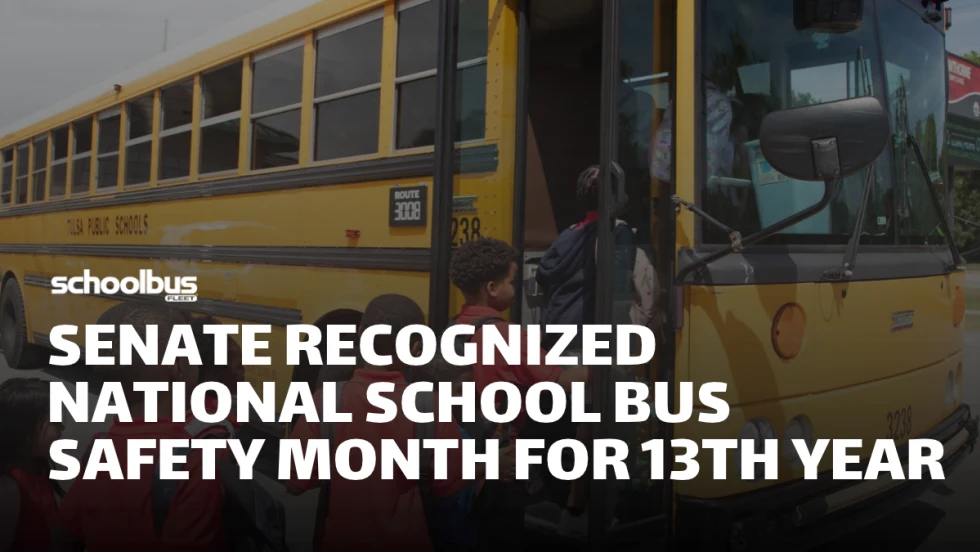
What the 2026 National School Bus Safety Month Resolution Means for Student Transportation
The bipartisan resolution highlights illegal school bus passing, student safety during loading and unloading, and the need for driver training and public education.
Read More →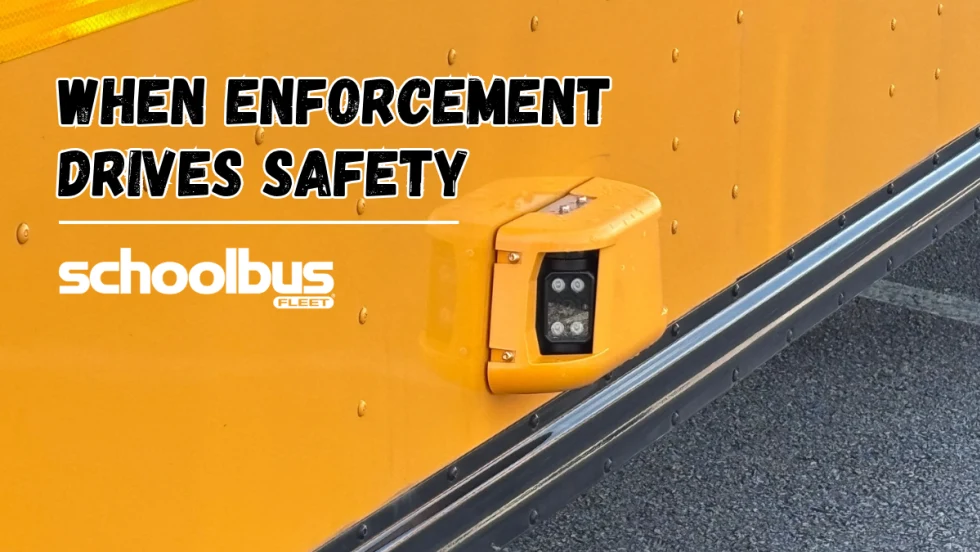
School Bus Stop-Arm Violations Decline 53% Across Verra Mobility Programs
Verra Mobility shares how school bus stop-arm cameras and school zone safety programs are changing driver behavior, reducing violations, and protecting students.
Read More →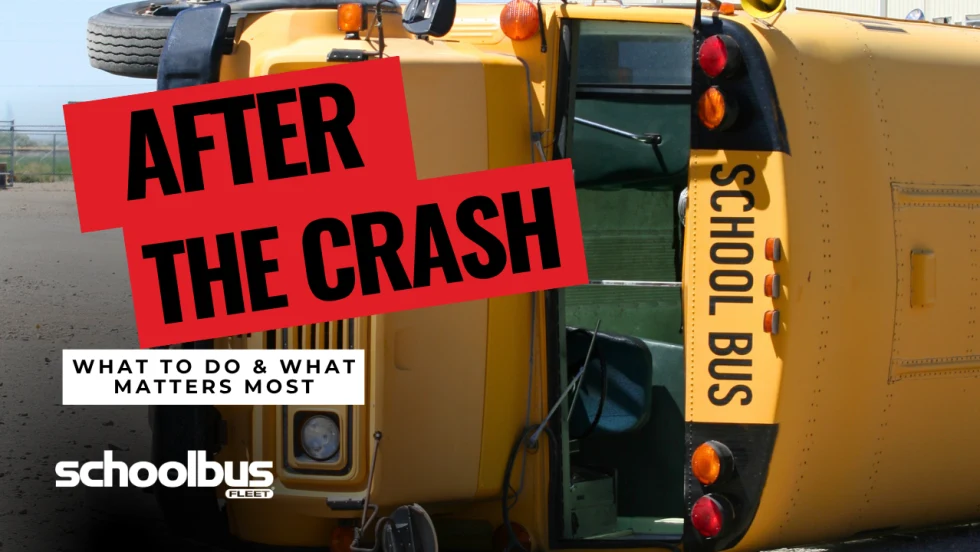
Most Bus Crashes Aren’t Your Fault. Here’s How to Prove It.
A guide for what to do in between a school bus crash and a claim: what to preserve, who to notify, and how to keep the facts available when they matter.
Read More →
National School Bus Safety Week 2026: Tips, Toolkits & Resources to Keep Students Safe
School bus safety takes more than awareness. Explore expert tips, enforcement strategies, and free resources to help protect students on every ride.
Read More →
2 Killed, Dozens Injured in Florida School Bus Crash
A multi-vehicle collision caused a Polk County school bus carrying 37 students to overturn on its way to Winter Haven High School.
Read More →
Illegal School Bus Passing Drops 24% in New York Districts
With fewer than 5% of citations involving repeat offenders, Westchester County officials said enforcement, education, and community partnerships are helping change driver behavior.
Read More →
School's Back. Here's What Happened to Traffic, Speeding & Distraction
What happens to traffic when school resumes? New data analysis examines changes in distracted driving, congestion, and speeding around schools.
Read More →
Geotab Expands Fleet Safety Tools With Video Coaching, Risk Insights
New safety and video capabilities aim to help fleet managers assess risk, support drivers, and take targeted action through video coaching, red-light violation detection, and more.
Read More →
How to Build a Better School Bus Driver Training Program
Is it time to strengthen your driver training? Here’s how to pick the right talent and improve recruitment, retention, and safety. This video is brought to you by IC Bus.
Read More →