




Wheelchair maker takes a step in the right direction
As we prepare for the annual National Conference and Exhibition on Transporting Students with Disabilities, scheduled March 4-8 in Orlando, Fla, a maj...
As we prepare for the annual National Conference and Exhibition on Transporting Students with Disabilities, scheduled March 4-8 in Orlando, Fla., a major manufacturer of a full line of wheelchairs is introducing versions of its pediatric line that are designed to comply with wheelchair tiedown and restraint standards for vehicular transportation. Admittedly, it's a small step by one manufacturer, but it's in the right direction. For years the pupil transportation industry has been forced to turn a blind eye toward wheelchair makers' warnings as it tried in good faith to comply with federal special-education laws. It's been a gamble, because wheelchair manufacturers have repeatedly told users that their products are not to be used for vehicular transportation. The situation has, in effect, put bus operators of all kinds, including school districts and transit agencies, smack in the middle of federal mandates about equal access to education on the one side and the threat of a liability suit on the other. School districts and transit systems simply crossed their fingers, hoping that users and parents would understand their predicament. Hindered by lack of standards
The wheelchair manufacturers' refusal to make a transportable chair was somewhat understandable. For years, there simply were no standard practices on how to transport wheelchair users. That situation is changing, however. In the next few months, the Subcommittee on Wheelchairs and Transportation (SOWHAT), working under the umbrella of the Rehabilitation Engineering Society of North America (RESNA) and the American National Standards Institute (ANSI), is expected to adopt voluntary design and performance standards for transportable wheelchairs of all types. The project has been in the works for more than three years, but has been impeded by financial shortfalls. Thankfully, these have not stopped the committee from pursuing its objectives. Once the new standards are adopted, the school transportation industry hopes wheelchair companies take the initiative to start designing and manufacturing new lines of transportable wheelchairs. Part of the challenge has been creating standards that will not inflate the price of the wheelchairs beyond the reach of the average user. Another challenge will be to inform the disabled community that transportable wheelchairs are available. Already up and running are voluntary wheelchair tiedown and restraint standards known as J2249. These standards are the product of committees affiliated with ANSI and the Society of Automotive Engineers. This, in turn, has allowed Sunrise Medical to design its "Quickie" and "Zippie" models of pediatric chairs so that they can accommodate J2249-compliant tie-down systems. These include the most widely available systems, including those made by Q'Straint and Kinedyne. A good start, but. . .
These are welcome first steps, but they are only the beginning. More needs to be done with chairs for older children and adults. Perhaps most importantly, however, school districts and contractors must make sure that their drivers and attendants are fully versed in the standards and proper use of these new products. The U.S. pupil transportation industry has always stood for the highest degree of safe transportation possible, but it has a lot to be proud of on this particular aspect of safety. Not only can it claim leadership on this issue in this country, it can also legitimately boast of its vanguard position to the rest of the world.
More Special Needs Transportation
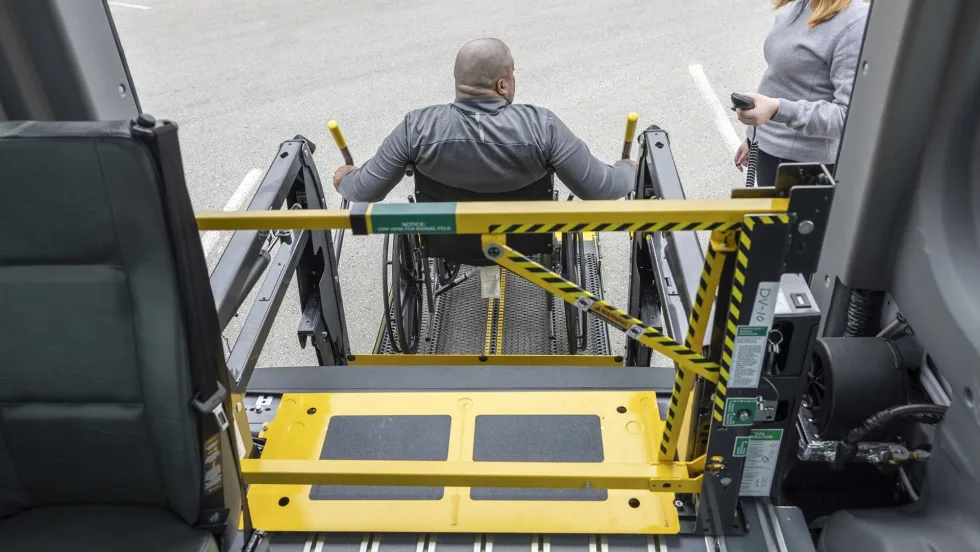
BraunAbility Introduces New Safety Barrier for Wheelchair Lifts
LiftSentinel is designed to add another layer of protection during wheelchair loading and unloading and can be retrofitted to many existing commercial lift installations.
Read More →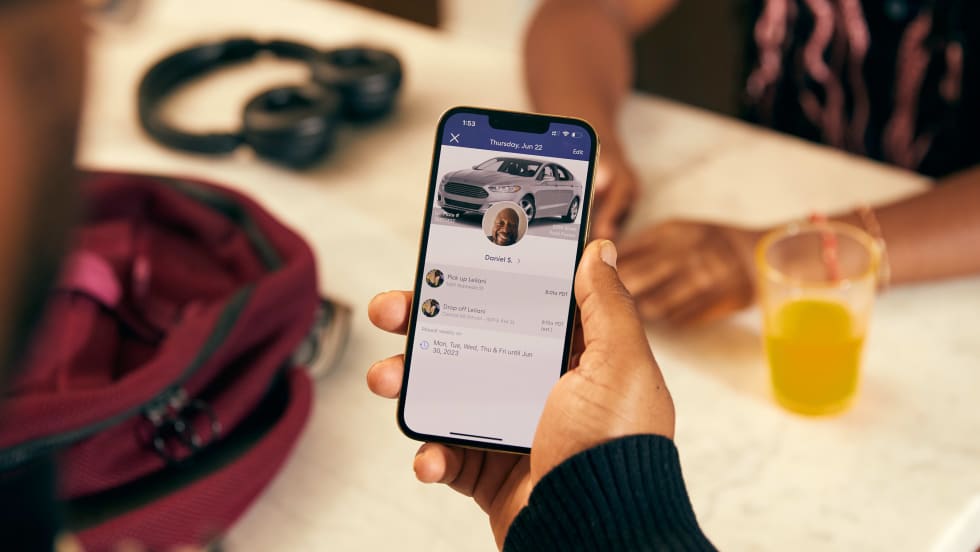
HopSkipDrive Launches New Safety, Driver Consistency Features for 2026-27 School Year
The company’s free ride recording, live ride tracking, and consistent driver assignments aim to improve safety and continuity for diverse student transportation needs.
Read More →
The Most Common Wheelchair Securement Mistakes on School Buses (and How to Fix Them)
Small missteps in wheelchair securement can have serious consequences. Here are 32 tips from experts to reduce risk and increase student safety on the bus.
Read More →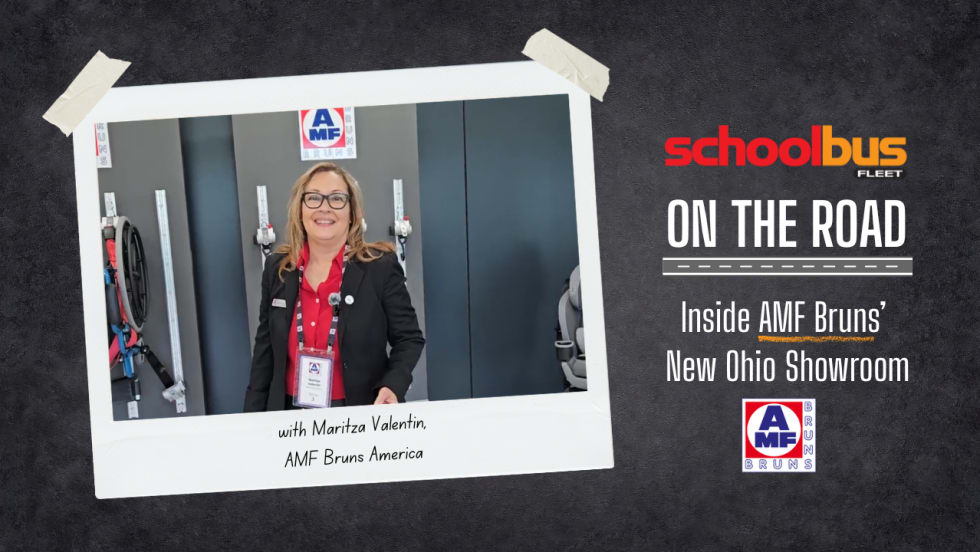
Inside AMF Bruns’ New Showroom: School Bus Securement Solutions Explained
Go inside AMF Bruns America’s new Ohio showroom with Maritza Valentin to see its FutureSafe technology, driver training tools, securement systems, and seating innovations.
Read More →
What AMF Bruns’ New Facility Means for Customers [Video]
Inside AMF Bruns’ new Stow, Ohio, operations: See how expanded space and innovation will enhance customer support and operations.
Read More →
AMF Bruns Expands in Ohio, Investing in Growth and Community
With expanded production space, local investment, and a growing workforce, AMF Bruns is scaling its U.S. presence. Here’s an exclusive first look inside the new Stow, Ohio, HQ.
Read More →
Inside AMF Bruns of America’s New Ohio Manufacturing Facility [Photos]
Take a behind-the-scenes look at AMF Bruns of America’s new 41,000-square-foot Stow, Ohio, headquarters, featuring advanced manufacturing, expanded space, and future-ready mobility solutions.
Read More →
First Student Boosts Student Support in Wichita & Texas
First Student and Wichita Public Schools are using behavioral support strategies to improve student ride experiences, while a separate initiative expands access to after-school programs through a bus donation.
Read More →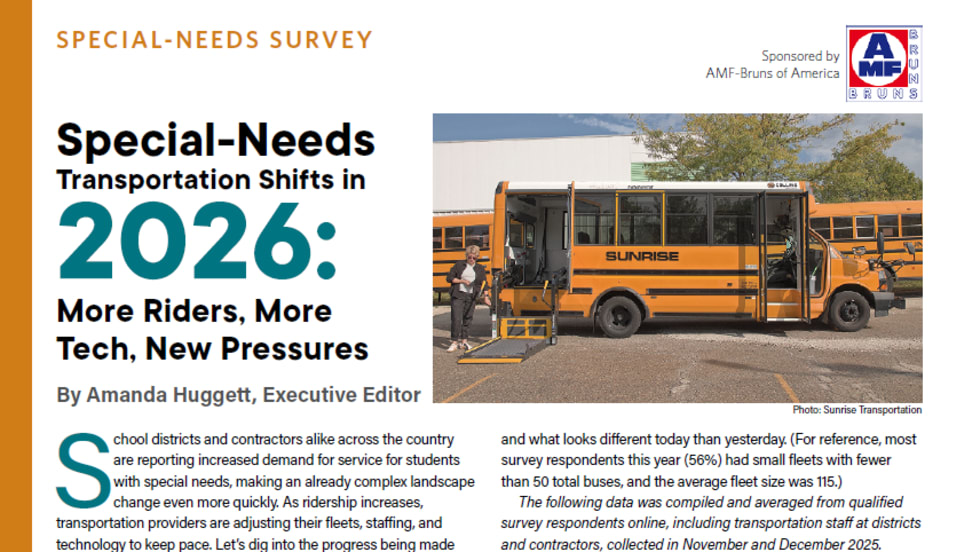
2026 Special-Needs Transportation Survey
What’s changing in special-needs transportation? This year, student transportation operators report a rising need, easing driver shortages, growing tech adoption, and evolving challenges. Sponsored by AMF Bruns of America.
Read More →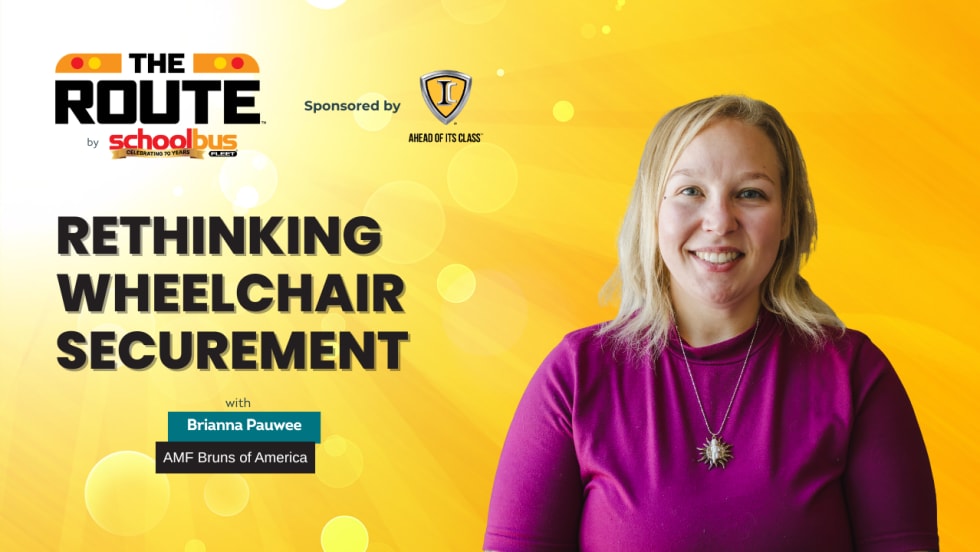
The Lived-Experience Gap in Mobility Tech: An Expert Take on Safe Student Transportation
Brianna Pauwee, a product application specialist at AMF Bruns of America and a wheelchair user, drops in to The Route to share practical securement and training insights, plus the story behind the new “Beyond Mobility” podcast. The Route is sponsored by IC Bus.
Read More →