




What's in it for us?
Last month in this space, I discussed the economic importance of the U.S. school bus system — it saves $8 billion in fuel costs annually, accordin...
Last month in this space, I discussed the economic importance of the U.S. school bus system — it saves $8 billion in fuel costs annually, according to the American School Bus Council — and the need for more funding to keep it running strong.
Not long afterward, President Obama signed into law a $787-billion economic stimulus package. Although the possibility of dedicated funding for pupil transportation seemed remote, it was still a bit disappointing to find none.
But one element of the stimulus that offers great potential for the school bus industry is $300 million for clean diesel efforts, such as retrofitting older vehicles with particulate filters and buying new vehicles. Although that number is smaller than some were hoping for, it’s a huge increase over previous funding.
The National School Transportation Association, which had been pushing for an increase, called the provision “a huge infusion of funding” and noted that there will be pressure to spend it quickly.
Indeed, the EPA said that a competitive announcement for the stimulus funding would be made in early March. There will also be a separate competitive announcement for the EPA’s fiscal year 2009 National Diesel Emissions Reduction Program Appropriations.
If you have older buses in your fleet that haven’t been retrofitted with emissions-reducing equipment, I encourage you to go after a slice of these funds. Be sure to check www.epa.gov/cleandiesel for updates.
Facility funds
Another potential benefit for the school bus industry is that the stimulus package creates a $54-billion education fund to help prevent or restore state budget cuts.
Mike Martin, executive director of the National Association for Pupil Transportation, said it appears that about $8 billion of the fund could be used to modernize and renovate school buildings, including transportation facilities.
However, Mike expressed his discontent that the stimulus provides $8.4 billion for investments in public transit projects and $150 million for rail and transit security grants, but neither includes pupil transportation.
“The activities authorized under the transit stimulus will provide financial support for many of the same needs that exist as well in school transportation, which makes it especially disappointing that financial support for our nation’s largest mass transit system — yellow school buses — was not included in this package,” Mike said.
Other avenues
There may be other sources of federal support within the school bus industry’s reach.
Charlie Hood, president of the National Association of State Directors of Pupil Transportation Services, said that the upcoming reauthorization of SAFETEA-LU, which governs spending on surface transportation, will be one avenue to explore.
Another is the reauthorization of the Safe Routes to School program. Charlie said that there’s a possibility of getting funds included for mitigating hazards for kids who walk to and from school bus stops — not just to and from school.
Increased federal support could be vital because, as Charlie said, “Many of our states are in such bad shape and are seeing decreases in school bus service, and we don’t want to see any further erosion in the number of kids who can ride school buses.”
More Safety

How to Build a Better School Bus Driver Training Program
Is it time to strengthen your driver training? Here’s how to pick the right talent and improve recruitment, retention, and safety. This video is brought to you by IC Bus.
Read More →
Recent School Bus Accidents Leave 2 Dead, 2 Injured
Four school bus crashes in Florida, Illinois, and Georgia highlight risks in transportation lots, at bus stops, and during student loading and unloading.
Read More →
When Every Second Matters, Clarity Keeps Routes Moving
From routine delays to urgent incidents, strong communication practices help drivers, dispatchers, schools, and families respond with confidence.
Read More →

What Happens When a School Bus Catches Fire — and What Can Help
School bus fires are rare but can be devastating. Learn how advances in fire suppression and asset protection help fleets detect fires earlier, reduce damage, and improve safety.
Read More →
Geotab Launches Tool to Help Fleets Investigate Road Incidents
Geotab Investigations combines telematics data, video, documents, and other evidence to help fleets reconstruct incidents, resolve claims, and determine what happened.
Read More →
Texas Sixth Grader Wins 2026 National School Bus Safety Poster Contest
Sai Darshana Yekolu of Moseley Middle School in Prosper, Texas, was named the newest winner for her artwork, bringing the theme of “Safe Rides, Everyday Heroes” to life.
Read More →
Doing More With Less: How Transportation Directors Can Prioritize Safety Amid Budget Uncertainty
With diesel prices soaring and nearly one-third of transportation directors expecting budget cuts, maintaining student safety has never been more challenging. Download this guide to learn how leading districts are prioritizing risk, funding critical safety technology, and building stronger budget cases with data.
Read More →
Walton County Schools Adds Gatekeeper Stop-Arm Enforcement System
The Florida district will deploy Gatekeeper’s updated Student Protector technology, which now incorporates AI to improve video evidence.
Read More →
How To Build a More Secure School Bus Yard During and After Hours
As thefts and overnight security threats continue, school transportation leaders are combining stronger operational practices with AI-enabled surveillance to better protect buses, facilities, and staff.
Read More →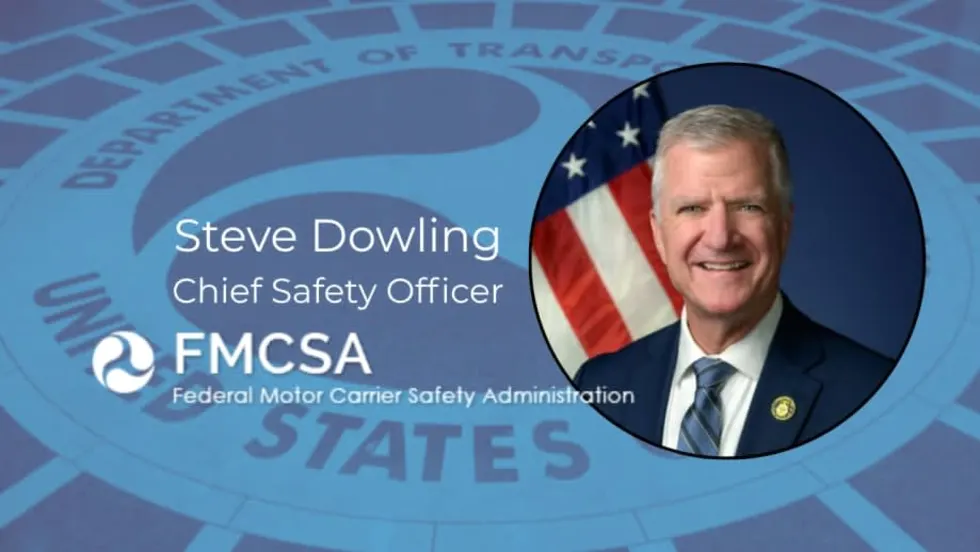
FMCSA Names New Chief Safety Officer: What School Bus Operators Should Know
Steve Dowling is set to lead the federal agency's efforts to advance commercial motor vehicle safety and reduce crashes, fatalities, and injuries on the nation's roadways.
Read More →