




What we learned from the Columbia disaster
The Columbia space shuttle tragedy serves as a powerful reminder: proper school bus inspections are critical to protecting student safety.

Yes, this is rocket science. I’m talking about the Feb. 1 crash of the Columbia space shuttle. The disaster resulted in the loss of seven lives and brought back terrible memories of the Challenger tragedy in 1986, which also claimed seven lives.
Investigators are analyzing scientific data far beyond the understanding of laymen. What they’ll discover is still anybody’s guess. Perhaps the accident was caused by a chunk of hard foam that broke off the external fuel tank during the Jan. 16 liftoff. Maybe the cause will be something much less obvious and perhaps unpreventable.
So what’s the tie-in to pupil transportation?
Even with the elaborate precautions taken before the launch of a space shuttle, disaster still strikes without warning. The key will be to determine why it happened and to prevent another such occurrence. It’s too late, of course, for the friends and family of the seven crew members. Will they ever be able to look up into the night sky without remembering?
More effort is needed
The point here is not to dwell on the misery of those confronted with tragedy. Rather, it’s the effort necessary to avoid tragedies of all types, including those related to school buses.
I’m concerned that the school buses we send out into the streets each school day are not being properly pre- and post-tripped. Again, if the Columbia can meet such an awful fate with such careful scrutiny, what can we expect from school buses given a perfunctory once-over before pulling out of the lot?
I’m not the only one who feels this way. According to a poll conducted on SCHOOL BUS FLEET’s website, 81% of respondents believe pre- and post-trip inspections are performed inadequately more often than not. And many of the respondents are drivers, who know a thing or two about inspecting a bus. Or do they? Maybe it would be worth the effort to test your corps of drivers on performing a pre-trip inspection. You might be surprised — and dismayed — by what you find.
But it’s not always the driver’s (or mechanic’s) fault if the bus is not properly inspected. Some school districts and contractors fall short in providing the proper training or checking that the inspections are done. Even worse, some bus operators don’t allot drivers enough time to properly perform the inspections, indirectly encouraging them to cut corners.
Drivers deserve to be paid for the full amount of time required to perform proper inspections. I understand that this becomes a budgetary issue, but scrimping in this area is poor risk management.
Don’t take any chances
Nearly every school bus that leaves in the morning to transport children to and from school carries with it a human payload several times larger than the Columbia’s. The seven men and women aboard the space shuttle deserved a better fate. In the coming months, investigators may discover why the spacecraft broke apart miles above the Earth. But here, on the ground, we have to focus on our mission — to continue the awesome task of transporting 23 million schoolchildren safely.
Our nation’s children are amazingly tough and resilient, but the physical laws of mass and acceleration can reduce their youthful advantages into so much dust. Let’s not take any chances. Urge, no demand, that your staff takes its responsibilities to perform pre- and post-trip inspections as if lives depend on their conscientiousness. They do.
Quick Answers
The Columbia disaster refers to the tragic crash of the Columbia space shuttle on February 1, 2003, which resulted in the loss of seven astronauts' lives.
*Summarized by AI
More Safety

How to Build a Better School Bus Driver Training Program
Is it time to strengthen your driver training? Here’s how to pick the right talent and improve recruitment, retention, and safety. This video is brought to you by IC Bus.
Read More →
Recent School Bus Accidents Leave 2 Dead, 2 Injured
Four school bus crashes in Florida, Illinois, and Georgia highlight risks in transportation lots, at bus stops, and during student loading and unloading.
Read More →
When Every Second Matters, Clarity Keeps Routes Moving
From routine delays to urgent incidents, strong communication practices help drivers, dispatchers, schools, and families respond with confidence.
Read More →

What Happens When a School Bus Catches Fire — and What Can Help
School bus fires are rare but can be devastating. Learn how advances in fire suppression and asset protection help fleets detect fires earlier, reduce damage, and improve safety.
Read More →
Geotab Launches Tool to Help Fleets Investigate Road Incidents
Geotab Investigations combines telematics data, video, documents, and other evidence to help fleets reconstruct incidents, resolve claims, and determine what happened.
Read More →
Texas Sixth Grader Wins 2026 National School Bus Safety Poster Contest
Sai Darshana Yekolu of Moseley Middle School in Prosper, Texas, was named the newest winner for her artwork, bringing the theme of “Safe Rides, Everyday Heroes” to life.
Read More →
Doing More With Less: How Transportation Directors Can Prioritize Safety Amid Budget Uncertainty
With diesel prices soaring and nearly one-third of transportation directors expecting budget cuts, maintaining student safety has never been more challenging. Download this guide to learn how leading districts are prioritizing risk, funding critical safety technology, and building stronger budget cases with data.
Read More →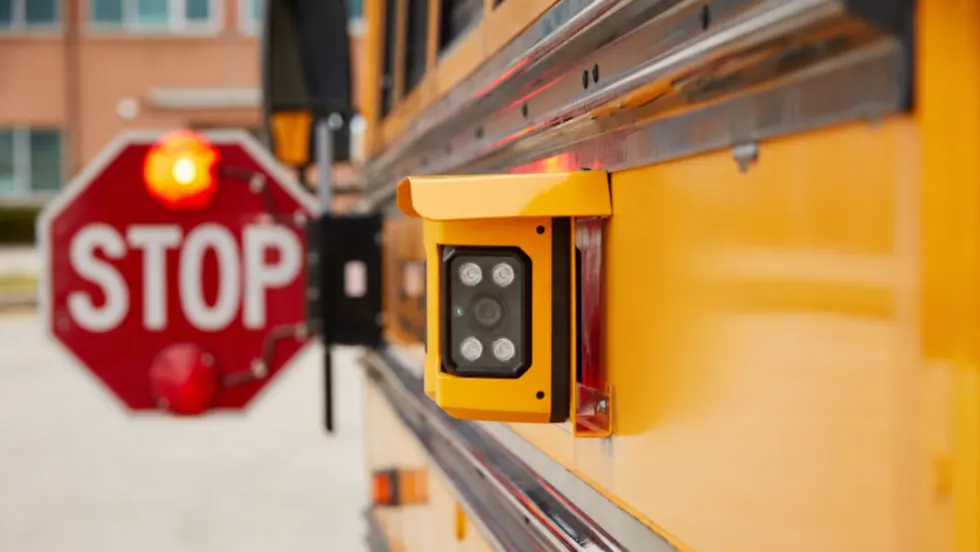
Walton County Schools Adds Gatekeeper Stop-Arm Enforcement System
The Florida district will deploy Gatekeeper’s updated Student Protector technology, which now incorporates AI to improve video evidence.
Read More →
How To Build a More Secure School Bus Yard During and After Hours
As thefts and overnight security threats continue, school transportation leaders are combining stronger operational practices with AI-enabled surveillance to better protect buses, facilities, and staff.
Read More →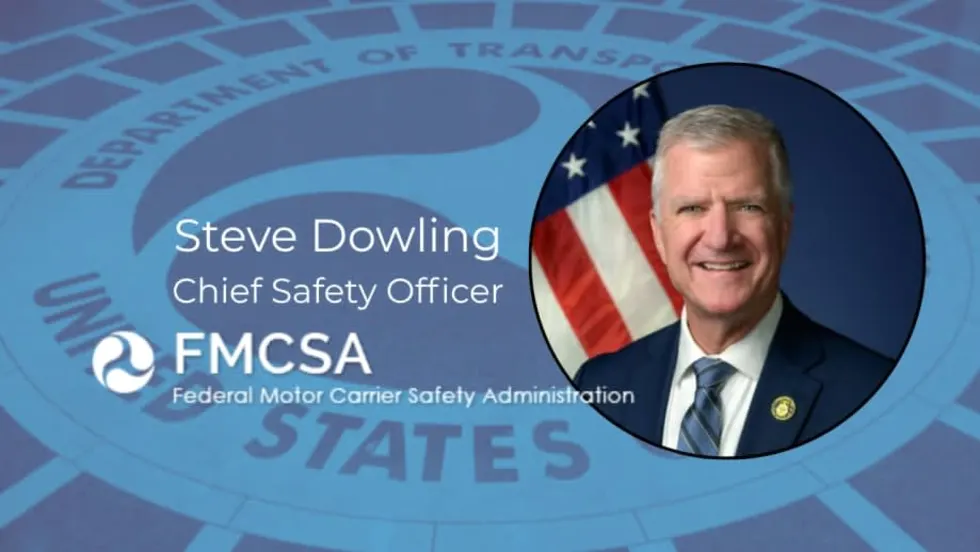
FMCSA Names New Chief Safety Officer: What School Bus Operators Should Know
Steve Dowling is set to lead the federal agency's efforts to advance commercial motor vehicle safety and reduce crashes, fatalities, and injuries on the nation's roadways.
Read More →