




What have you done for me lately?
It can be surprising how much we learn from people when we stop doing all the talking and just listen. That’s essentially what we do at SBF
It can be surprising how much we learn from people when we stop doing all the talking and just listen.
That’s essentially what we do at SBF when we conduct surveys. We ask questions and allow people to respond, candidly, so that they’re heard.
In this issue you’ll find the results of our fifth annual Driver Survey. It says, for the most part, that drivers are satisfied with their jobs. Only a few report dissatisfaction.
This may sound like good news to some, but many others know the real deal. It’s not by coincidence that driver recruitment and retention are two of the top challenges facing school bus fleet operations today.
Something’s amiss.
Our survey said ...
Surveys allow you to get to the bottom of things. Ask the right questions and, generally, you’ll get the responses you seek. The trick is understanding the responses. What are your drivers telling us?
For one thing, some weren’t attracted to the pay when they took the job. More than 50 percent of respondents chose to drive school buses because of the conveniences. Mom and dad drivers can work around their children’s schedules while forgoing the expense of daycare.
Others, such as those on Social Security, took the job for supplemental pay. For some college students, driving a school bus helps pay for tuition.
Where am I going with this? Let me tell you.
If scheduling is the primary factor keeping some of your best drivers around, then you need to consider ways to retain them when those conveniences are no longer required. Children will grow up, and college students will graduate.
Besides, the economy is getting better, and the experience drivers gain behind the wheel of a school bus is transferable to other operations. Some respondents already had experience driving commercial vehicles (see chart on pg. 23).
Our survey said some other interesting things about drivers. Dealing with student behavior, administrators, parents and tough policies aren’t the only things that make returning to work the next morning difficult.
Factors outside the bus add to the chaos, e.g., motorists using cell phones, road hazards and road hogs who won’t allow drivers space to maneuver.
Respondents said stop-arm violators (35.7 percent) and aggressive motorists (21.9 percent) are their biggest challenges outside the bus. The list builds from there. But what can you do?
Try a little tenderness
We asked drivers what would make their jobs more satisfying and gave them a list of options. Not surprisingly, almost half said better pay or benefits.
But we thought it negligent to just ask questions we already had answers to, so we went deeper still.
Drivers know the economy, and they know the budget crises experienced by most public school districts. They know a fat raise won’t be coming anytime soon, so they asked for other, less tangible things. About 16 percent asked for more feedback and/or recognition. These things don’t replace pay and benefits, but they are excellent concessions.
Some chose the “other” category so they could elaborate on what would make their jobs better.
Drivers want to know why policies for full-time drivers are different from those for other full-time district employees? What about self-defense training or more power to discipline unruly students? And how about cracking down on abuse of sick time, which burdens the remaining drivers? What about giving drivers the benefit of the doubt more often? Can you try better communication and follow through?
And the humdinger of them all: Can administrators just come along for a ride one day? Yes, your drivers have something they want to show you.
More Management

Samsara Launches Free Driver Rewards Program
The new Driver Perks program gives eligible professional drivers access to discounts and offers without adding a cost for participating fleets.
Read More →
How Tax-Exempt Municipal Leases Can Help Finance School Buses
Let’s explore school bus financing options, including municipal leases, vendor payable accounts, and balloon payments, and how they can help stretch fleet budgets.
Read More →
Nominate Rising School Transportation Pros Under 40!
We’re searching for the next generation of leaders making an impact across the K-12 student transportation industry to recognize as SBF’s 2027 Trailblazers. Nominations are open now!
Read More →

Changing Lanes: BusWhere, EverDriven, InterMotive, Summit School Services, Switzer-Carty & Thomas Built Buses
Check out who's been hired, promoted, and appointed to leadership positions at various school transportation suppliers, contractors, and manufacturers.
Read More →
The Most Expensive Thing You Do Before Selling a School Bus: Wait
When should you sell an aging school bus? Learn how maintenance, mileage, corrosion, specifications, and timing can affect resale value long before the auction.
Read More →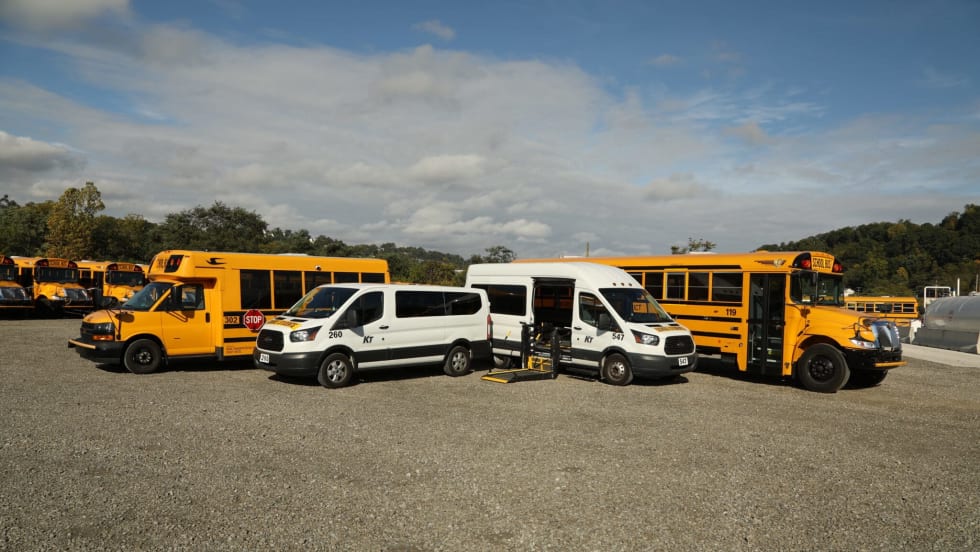
American Student Transportation Partners Acquires AJ Myers and Sons
A new deal brings a 75-year Pennsylvania student transportation provider into one of the nation’s largest private school bus contracting groups.
Read More →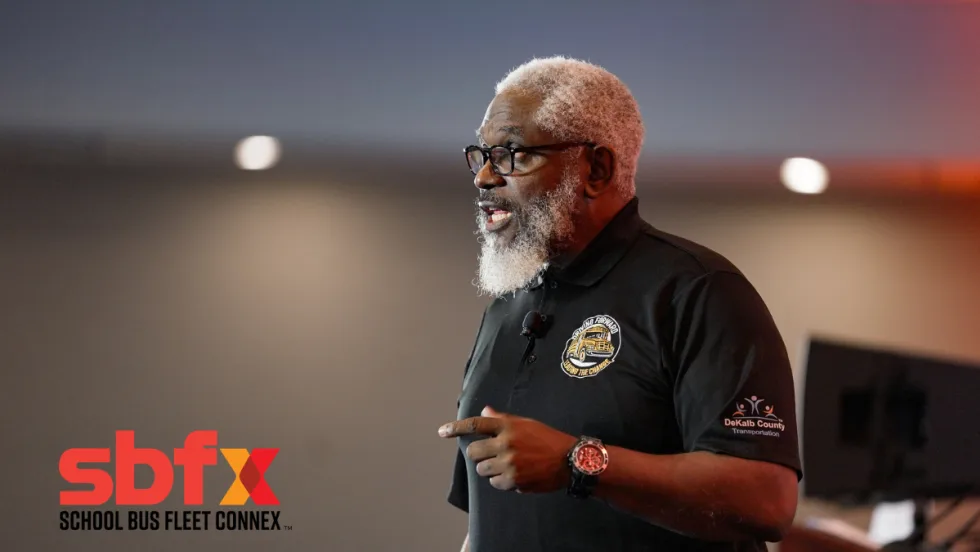
What I Brought Home From SBFX: Relationships, Leadership, and Preparing What's Next
Who could lead your transportation operation tomorrow if you couldn't? Bernando Brown explores succession planning, mentorship, and preparing emerging leaders to step up.
Read More →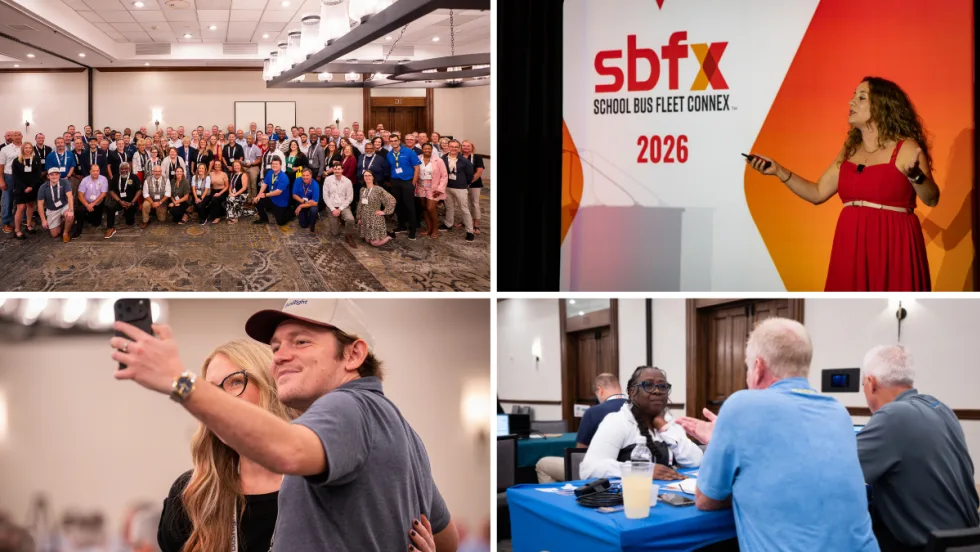
Inside School Bus Fleet ConneX 2026: Industry Leaders Connect in Scottsdale [Photos]
See highlights from SBFX 2026 in Arizona, where school bus operators and suppliers gathered for meetings, education, networking, awards, and more.
Read More →
School Transportation’s Biggest Pressures and Opportunities: SBFX Attendees Weigh In
School bus operators point to rising costs, staffing, and vehicle prices as immediate pressures while identifying technology, training, and routing as opportunities for growth.
Read More →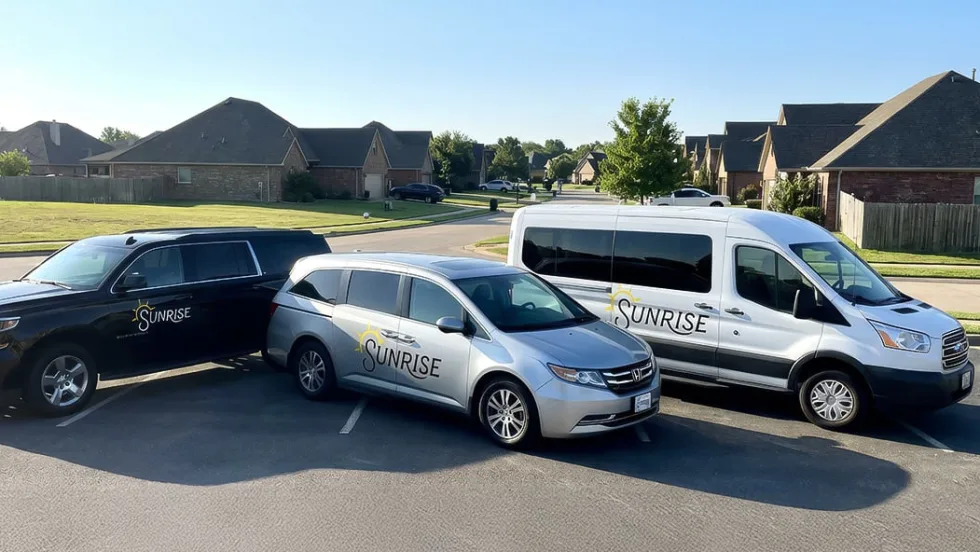
STA Acquires Sunrise Transportation
Student Transportation of America expands in Illinois and Connecticut through Sunrise's fleet of nearly 1,000 vehicles.
Read More →