




Vermont brakes for school bus safety
MONTPELIER, Vt. — Over the past two years, Vermont's Department of Motor Vehicles has been conducting school bus safety equipment checks in num...

MONTPELIER, Vt. — Over the past two years, Vermont's Department of Motor Vehicles has been conducting school bus safety equipment checks in numerous locations throughout the state.
Some of the major items found were cracked frames, brakes out of adjustment or not functioning properly and pre-trip inspections not being conducted.
Does this mean that all drivers are not completing the pre-trip inspections as required by law, or that the mechanics are not performing the high quality of work that should be completed on the school bus? I don't think so.
I believe that most school bus drivers and mechanics are dedicated professionals who take pride in their work. In speaking with drivers and mechanics, I have found that they are trying to comply with state laws and that the safety of schoolchildren is a top priority.
I have spoken with several school busing companies and school districts in regard to the state laws regulating school buses. I explained the following:
A school bus shall at all times be maintained in a safe operating condition.
A systematic preventive maintenance program shall be established.
Records shall be kept and shall be available at all times for inspection by any enforcement officer.
School bus drivers shall perform daily pre-trip inspections of their vehicles and immediately report in writing to their supervisors any deficiencies discovered that might affect the safety of the vehicle.
Violation of the above could result in a fine up to $1,171, in addition to administrative penalties being levied.
When school bus safety checks are administered, the company or school district is given a 30-day notice that their school bus fleet will be checked. Even with the 30-day notice, we have taken numerous vehicles out of service. Other visits to the operations are unannounced.
All of the inspectors who assist in the safety inspections have a school bus operator's CDL with passenger endorsement and are certified in the use of the newest brake-testing equipment.
It usually takes a half hour for two inspectors to complete one school bus. At the end of the inspection, a written safety-check summary is given to the transportation fleet manager so that all defects can be noted and repaired. If a vehicle is taken out of service, a green defective-equipment sticker is placed in the driver windshield and remains there until all defects are corrected.
Our goal is to ensure that the buses on Vermont's highways are safe. To accomplish this, school bus fleets must have a solid maintenance plan, the drivers must be well trained and do complete pre-trip inspections, and school bus regulations must be properly enforced.
— INSPECTOR RONALD RICHER
Transportation Program Specialist
Education & Safety Unit
Vermont Department of Motor Vechicles
More Safety
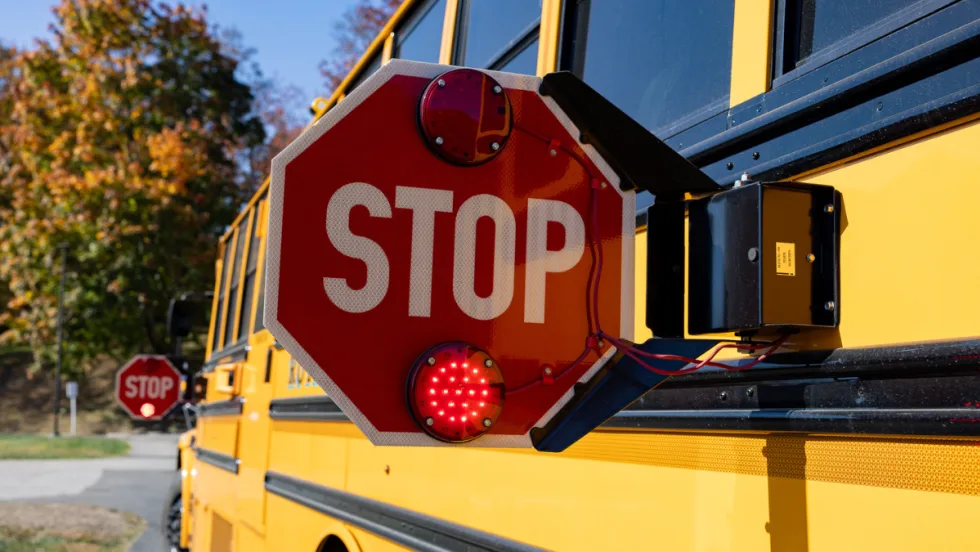
Illegal School Bus Passing Drops 24% in New York Districts
With fewer than 5% of citations involving repeat offenders, Westchester County officials said enforcement, education, and community partnerships are helping change driver behavior.
Read More →
School's Back. Here's What Happened to Traffic, Speeding & Distraction
What happens to traffic when school resumes? New data analysis examines changes in distracted driving, congestion, and speeding around schools.
Read More →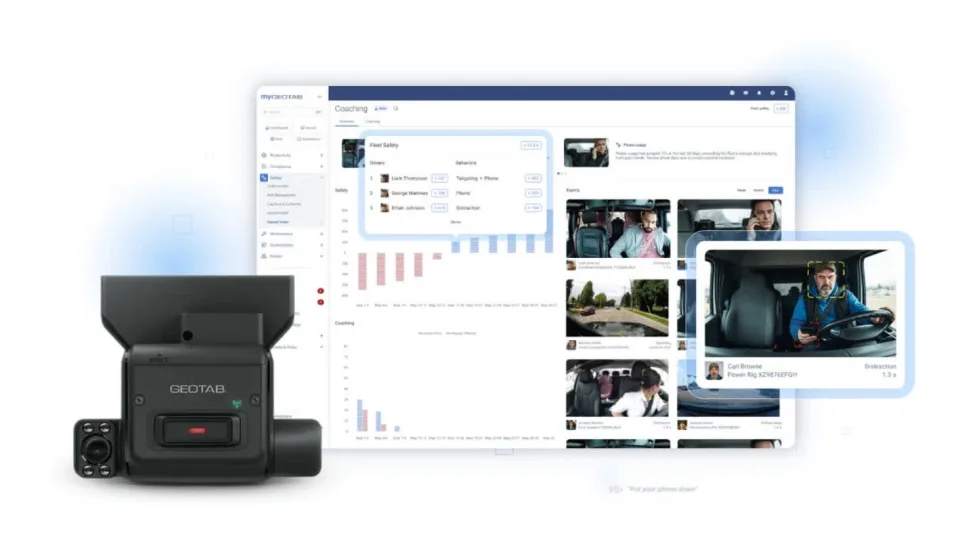
Geotab Expands Fleet Safety Tools With Video Coaching, Risk Insights
New safety and video capabilities aim to help fleet managers assess risk, support drivers, and take targeted action through video coaching, red-light violation detection, and more.
Read More →

How to Build a Better School Bus Driver Training Program
Is it time to strengthen your driver training? Here’s how to pick the right talent and improve recruitment, retention, and safety. This video is brought to you by IC Bus.
Read More →
Recent School Bus Accidents Leave 2 Dead, 2 Injured
Four school bus crashes in Florida, Illinois, and Georgia highlight risks in transportation lots, at bus stops, and during student loading and unloading.
Read More →
When Every Second Matters, Clarity Keeps Routes Moving
From routine delays to urgent incidents, strong communication practices help drivers, dispatchers, schools, and families respond with confidence.
Read More →
What Happens When a School Bus Catches Fire — and What Can Help
School bus fires are rare but can be devastating. Learn how advances in fire suppression and asset protection help fleets detect fires earlier, reduce damage, and improve safety.
Read More →
Geotab Launches Tool to Help Fleets Investigate Road Incidents
Geotab Investigations combines telematics data, video, documents, and other evidence to help fleets reconstruct incidents, resolve claims, and determine what happened.
Read More →
Texas Sixth Grader Wins 2026 National School Bus Safety Poster Contest
Sai Darshana Yekolu of Moseley Middle School in Prosper, Texas, was named the newest winner for her artwork, bringing the theme of “Safe Rides, Everyday Heroes” to life.
Read More →
Doing More With Less: How Transportation Directors Can Prioritize Safety Amid Budget Uncertainty
With diesel prices soaring and nearly one-third of transportation directors expecting budget cuts, maintaining student safety has never been more challenging. Download this guide to learn how leading districts are prioritizing risk, funding critical safety technology, and building stronger budget cases with data.
Read More →