




'Unsafe school buses' create good headlines
I observed sharks feeding in bloody waters early last month. No, these beasts weren’t lurking off the coast of New Jersey, my home state. They w...
I observed sharks feeding in bloody waters early last month. No, these beasts weren’t lurking off the coast of New Jersey, my home state. They were TV and newspaper reporters slavering over news of “unsafe school buses.” It’s a tried-and-true hook. Gets ’em every time. Think about it. Tens of thousands of school buses with defective brake systems. Millions of parents must have leaned a little closer to the TV or, if the remote was within arm’s length, flicked the volume control up a couple of notches. Dad hears the news first and calls to his wife: “Tammy, come quick! Jimmy’s riding a bus with no brakes. Better call the principal.” Can’t blame the parents though. School bus recalls for defective brakes are scary. The first image that comes to mind is a packed school bus plunging off a steep road and doing cartwheels down the side of a mountain. Or, in the city, an equally packed bus rolling helplessly through a red light and being T-boned by a tractor-trailer rig traveling at 45 mph. These are horrific scenarios that no parent — or school transportation professional — wants to seriously consider, not even for a moment.
Were the dangers real?
Of course, the dangers presented by the defective electronic control unit of the Bendix anti-lock brake system on some 46,000 buses were less dramatic than represented in the media. First, thousands of buses with the defective ABS system have been on the road for more than two years without any attributable accidents or injuries. Next, a loss of braking power could only occur if other conditions arise, such as chaffed sensor wires or a displaced tone ring. According to Bendix, far less than 1 percent (.035 percent) of buses equipped with the faulty electronic control unit have reported unexpected ABS activity. (This unwanted ABS activation can occur only at low speeds, generally less than 15 to 20 mph.) The potential for a serious incident was so remote that the National Highway Traffic Safety Administration did not recommend that the affected buses be taken out of service. Bus manufacturers recommended that the buses be thoroughly inspected (either by a qualified school bus mechanic or by a dealer or factory representative) for chaffed or improperly secured sensor wires and loose tone rings, but did not advise its customers to park their vehicles.
Buses were safe to run
This is important. A truly dangerous situation would have merited immediate suspension of service until an inspection could be performed or until the defective part was replaced. There’s no moral to this story. The media’s coverage of Bendix’s defective brake systems was perhaps misleading, but, in most cases, not inaccurate, or at least not intentionally inaccurate. In some cases, bus managers first learned of the problem through media reports. This heads-up gave them a chance to gather more information from dealers and factory reps. To their credit, many school bus managers and mechanics cut short their Labor Day holiday and spent Monday inspecting the affected vehicles in their fleet. The inspections gave them some peace of mind, just hours before a real feeding frenzy began — the start of the school year.
SBF Publisher Frank Di Giacomo can be contacted at frankdigiacomo@bobit.com.
More Safety

How to Build a Better School Bus Driver Training Program
Is it time to strengthen your driver training? Here’s how to pick the right talent and improve recruitment, retention, and safety. This video is brought to you by IC Bus.
Read More →
Recent School Bus Accidents Leave 2 Dead, 2 Injured
Four school bus crashes in Florida, Illinois, and Georgia highlight risks in transportation lots, at bus stops, and during student loading and unloading.
Read More →
When Every Second Matters, Clarity Keeps Routes Moving
From routine delays to urgent incidents, strong communication practices help drivers, dispatchers, schools, and families respond with confidence.
Read More →

What Happens When a School Bus Catches Fire — and What Can Help
School bus fires are rare but can be devastating. Learn how advances in fire suppression and asset protection help fleets detect fires earlier, reduce damage, and improve safety.
Read More →
Geotab Launches Tool to Help Fleets Investigate Road Incidents
Geotab Investigations combines telematics data, video, documents, and other evidence to help fleets reconstruct incidents, resolve claims, and determine what happened.
Read More →
Texas Sixth Grader Wins 2026 National School Bus Safety Poster Contest
Sai Darshana Yekolu of Moseley Middle School in Prosper, Texas, was named the newest winner for her artwork, bringing the theme of “Safe Rides, Everyday Heroes” to life.
Read More →
Doing More With Less: How Transportation Directors Can Prioritize Safety Amid Budget Uncertainty
With diesel prices soaring and nearly one-third of transportation directors expecting budget cuts, maintaining student safety has never been more challenging. Download this guide to learn how leading districts are prioritizing risk, funding critical safety technology, and building stronger budget cases with data.
Read More →
Walton County Schools Adds Gatekeeper Stop-Arm Enforcement System
The Florida district will deploy Gatekeeper’s updated Student Protector technology, which now incorporates AI to improve video evidence.
Read More →
How To Build a More Secure School Bus Yard During and After Hours
As thefts and overnight security threats continue, school transportation leaders are combining stronger operational practices with AI-enabled surveillance to better protect buses, facilities, and staff.
Read More →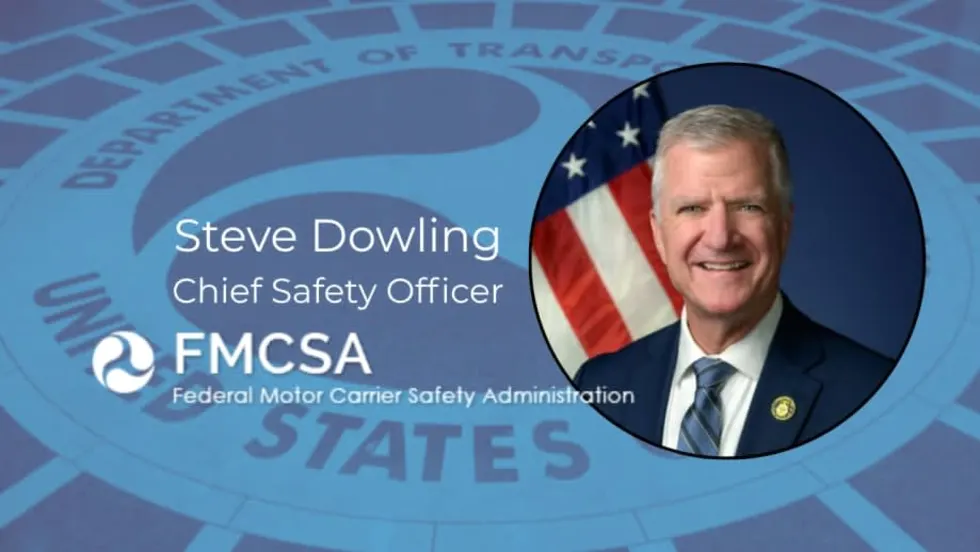
FMCSA Names New Chief Safety Officer: What School Bus Operators Should Know
Steve Dowling is set to lead the federal agency's efforts to advance commercial motor vehicle safety and reduce crashes, fatalities, and injuries on the nation's roadways.
Read More →