



Turmoil at Carpenter burdens entire industry
At press time, Carpenter’s survival was in doubt, hinging on a bailout plan that seemed more grounded in wishful thinking than reality.
In the marketplace, robust competition is good for the consumer. It forces vendors to compete for business by providing the highest possible quality at the lowest acceptable prices. This is especially true in the school transportation industry, in which the majority of buses are sold on a low-bid basis. That's why it's disturbing to watch the developments at ailing Carpenter Industries in Richmond, Ind. The company is in turmoil, with major changes in management and ownership. At press time, Carpenter’s survival was in doubt, hinging on a bailout plan that seemed more grounded in wishful thinking than reality. No one wants to see a major bus manufacturer go belly-up, because it reduces competition in the marketplace and forces customers to scramble for parts and service. But at what price does the company's survival come? Under Carpenter’s last-ditch restructuring plan, Charlotte, Mich.- based chassis manufacturer Spartan Motors, previously a one-third owner of Carpenter, would become majority owner by acquiring the one-third interest held by Beurt SerVaas, a longtime principal in the company. Recovery Equity Investors in San Mateo, Calif., would maintain its one-third interest.
Vendors compromised?
The deal hinges on a critical concession, however. Carpenter has asked its creditors, including this magazine, to accept 30 cents on the dollar as full payment of its claims. Obviously, this hasn't gone over well with the vendors, many of whom have been patiently waiting for the company to settle debts that have accrued over the past several years. And this isn't the first time that Carpenter has asked creditors to shoulder the burden of a recapitalization deal. In 1990, SerVaas Inc. rescued the company from financial disaster, but not without receiving similar concessions from many of its vendors. As Yogi Berra would say, "It’s déjà vu all over again."
Pressure from all sides
As you might expect, the current restructuring plan has not been well-received by Carpenter's competitors, who view the plan as an unfair business maneuver. Some have taken to calling the company "the reluctant corpse." Their annoyance is understandable. If Carpenter can pressure its unsecured creditors to accept partial payment, why shouldn't other chassis and body manufacturers also demand the same from their suppliers? This puts the vendors in a difficult position – either accept the partial-payment deal or risk the entire debt in the event of a Chapter 7 bankruptcy petition. But, in accepting the compromise, there is the possibility that vendors could incur the displeasure of their paying customers, namely the other manufacturers. Even with the acquiescence of its suppliers, Carpenter's revitalization is not guaranteed. Spartan will need to establish a new dealer network, not an easy task under the best of circumstances, and especially difficult given the company’s past failures. Spartan also needs to regain the trust and confidence of Carpenter’s customers, who are left in limbo. There is also the question of delivery. Carpenter halted production in mid-July and as of this writing in mid-October has not resumed operations. This lapse has put many of the company’s contracts in jeopardy. For example, late delivery of more than 600 buses to Florida has left many districts "high and dry," according to one state official, who also complained that many of the delivered buses exhibited "poor workmanship and quality." The bottom line is that Carpenter’s predicament affects school districts, contractors, industry vendors and other manufacturers — and none positively. Let’s hope that the issue is resolved soon — one way or another.
More Management

The Back-to-School Checklist Every Director Should Complete Before the First Bell
Help your transportation team start the school year strong with these tips for contingency planning, communication, fleet visibility, technology, and trip management.
Read More →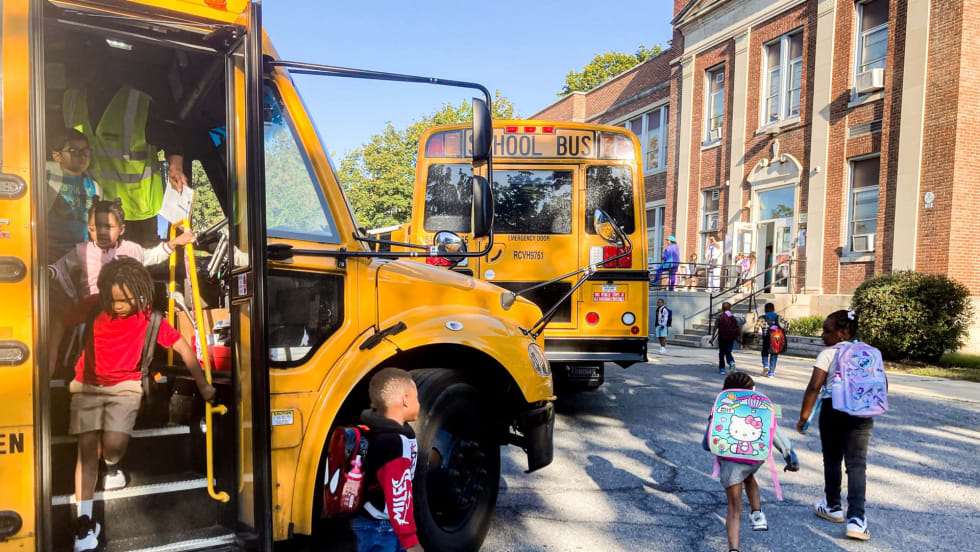
How a New York District Cut Nearly $1M in Transportation Costs While Expanding Bus Access
A data-driven overhaul with BusRight reduced Poughkeepsie City School District's planned routes from 26 to 17 while extending school bus service to about 1,200 additional students.
Read More →
Budgets Down, Enrollment Shifting: What the Data Says Districts Should Watch
School transportation departments face two converging challenges this year: tightening budgets and shifting enrollment. Most districts still address these issues separately, but the assumption that either trend will simplify operations is proving incorrect.
Read More →
These 8 School Transportation Companies Made the 2026 Inc. 5000 List
Find out which school transportation contractors, technology providers, and suppliers ranked among America’s fastest-growing private companies.
Read More →
The Link Between Emotional Intelligence and School Bus Safety
How can emotional intelligence help transportation pros navigate stress, manage change, and build stronger relationships? Listen to find out.
Read More →
What Emotional Intelligence Has to Do With School Bus Safety
In this video, discover how emotional intelligence can help transportation leaders and drivers navigate stress, manage change, and build stronger relationships. The Route is sponsored by IC Bus.
Read More →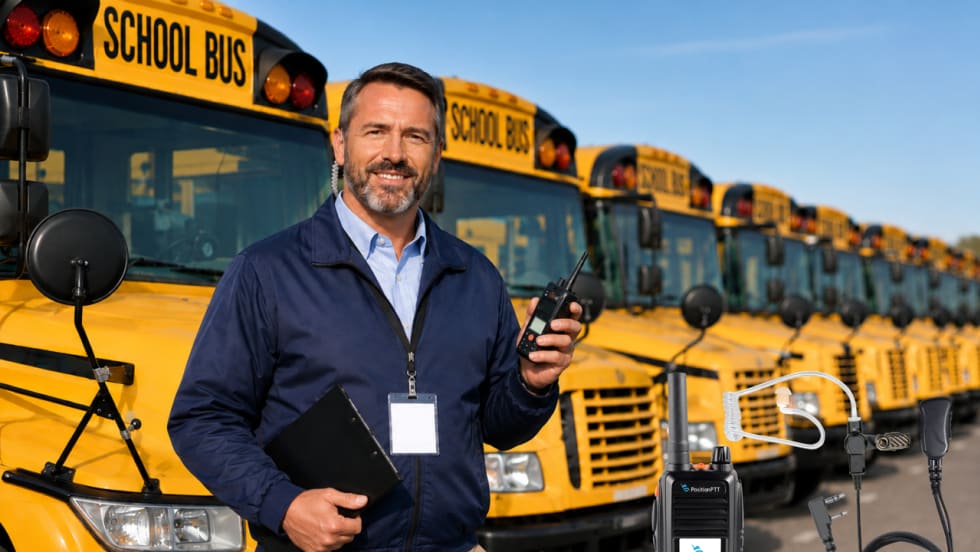
Beyond Two-Way Radios: School Bus Communications Evolve With Push-to-Talk Over Cellular
PRYME Radio and PositionPTT join forces to advance hands-free radio use and reduce distracted driving. See how PoC compares with traditional radios on range, cost, safety, and connectivity.
Read More →
Have School Districts Adapted to Bus Driver Shortages or Simply Accepted Less Service?
According to a recent report from HopSkipDrive, many districts appear to have recalibrated what "normal" transportation service looks like.
Read More →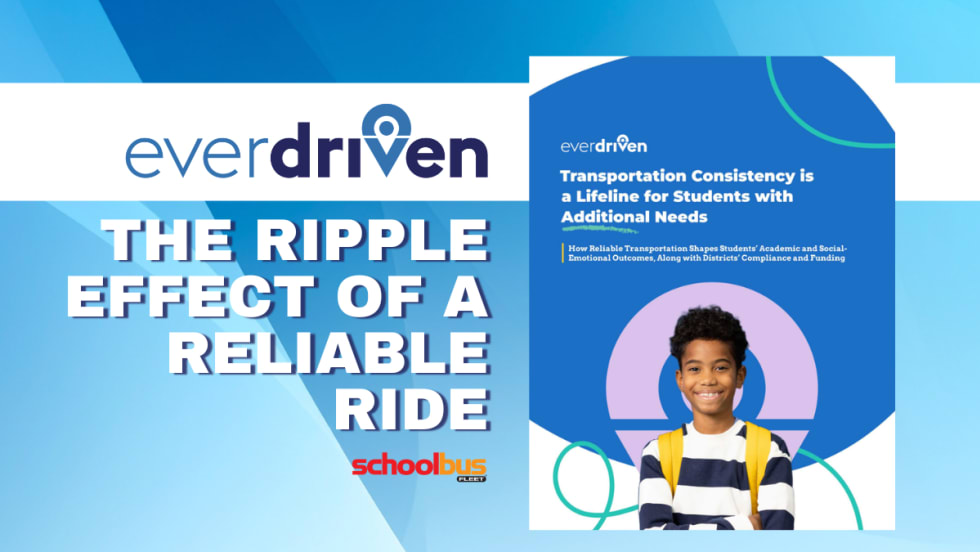
Reliable Transportation Linked to Better Student Outcomes, New EverDriven Study Finds
See why new research suggests transportation consistency improves student outcomes while influencing attendance, funding, IEP compliance, and family trust.
Read More →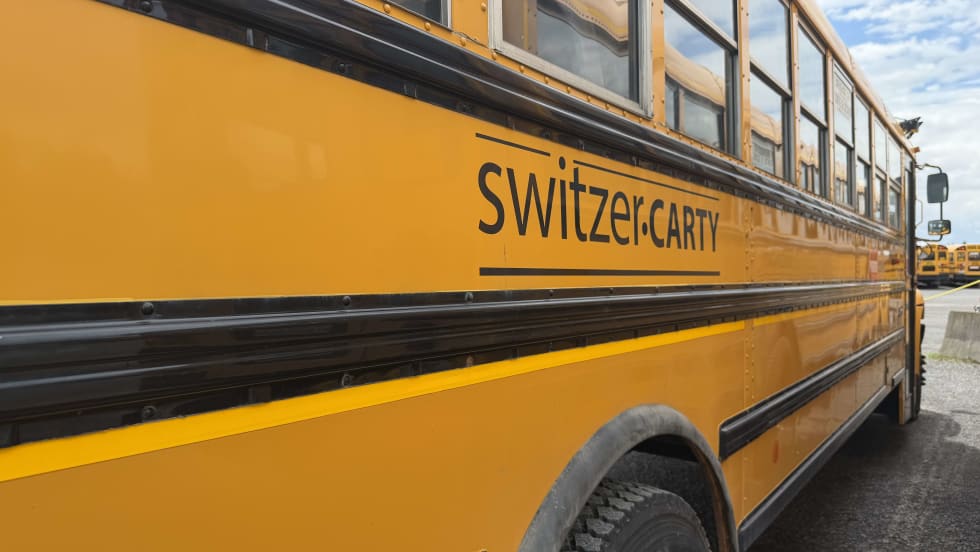
Switzer-CARTY Enters the U.S. with New Acquisition
The Canadian contractor’s acquisition of Minnesota-based Agnes Corporation marks its first cross-border expansion into the United States and adds 350 vehicles.
Read More →