




Transportation consortiums cut costs and boost training
Genesee Intermediate School District’s transportation consortiums provide service to special-needs and career/technical students in 21 districts. Route, bus maintenance and other efficiencies have saved participating districts $42.4 million since 1997, while service continues to expand. Driver training is extensive.
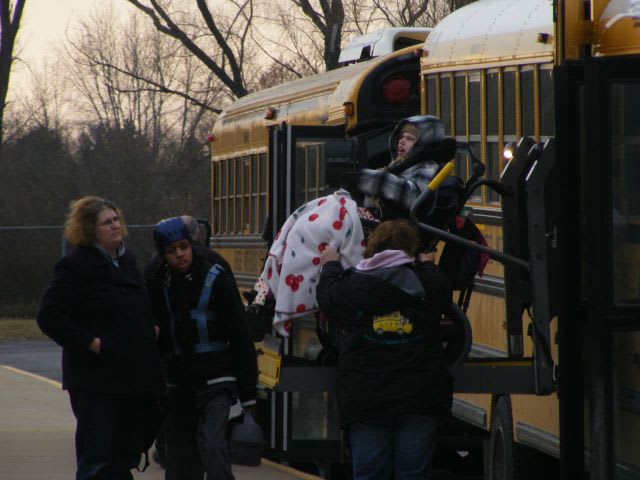
Genesee Intermediate School District’s (GISD) transportation consortiums bus special-needs and career/technical-education students in 21 school districts. The district is based in Flint, Mich.
Genesee Intermediate School District (GISD), based in Flint, Mich., operates two transportation consortiums. The special-services consortium buses special-needs students, and the second consortium transports career/technical-education students to the Genesee Area Skill Center.
In 1997, GISD’s Board of Education proposed the idea as a way to reduce costs and increase operational efficiencies for special-needs transportation by unifying multiple districts. “Every district was sending out a vehicle, some with only two or three students on board,” says Gary West, former director of transportation for GISD. “Now, designated buses pick up in several different regions, each en route to the alternative learning centers.”
(West retired in December. At press time, his position had not yet been filled.)
The special-services transportation consortium provides daily door-to-door service to students from school districts in Genesee County, with services extending to select neighboring counties.
Ready to transport students from infancy until age 26, all buses are equipped with everything from car seats to safety vests. A wide spectrum of skills is expected of drivers. Therefore, they attend specialized training with classroom staff members on how to attend to the students’ emotional, physical and basic medical needs. “We consider ourselves an extension of the classroom,” West says.
Cost-effective transportation
Through GISD’s consortiums, participating districts have successfully eliminated more than half of the buses originally used to transport students over the past 16 years. Currently, there is a total of 113 buses on the road daily — 93 for special-needs and 20 for career/technical students.
Savings in bus purchases is a factor for school districts, as special-needs vehicles are equipped with many extra features, such as wheelchair lifts.
“It’s just a huge price factor, and we’ve reduced it tremendously,” West says.
Aside from large-scale organization, GPS has been a key factor in logistical efficiency. “We used to park our buses at 13 locations around the county, and now we’ve brought it down to five,” West says. “We select the best routes based on where our students are coming from and going to that year.”
The consortiums don’t have their own garages; rather, they contract local district garages and one private offsite contractor for maintenance assistance. “This probably saves us about $2 to $3 million,” West says.
“The cost of a garage ... it all adds up. Now we just give other garages a stipend over the actual cost so that they’re not losing any money, and it’s a win-win for all of us.”
The consortiums’ operating costs are reimbursable from the state up to 70%. Therefore, the remaining 30%, which is spread among the districts, must come from outside funding. Employees search for opportunities to apply for grants and rebates to make their program as cost-worthy as possible.
“Funding is a never-ending challenge for staff during a time of increasing demand for services and declining revenues,” says Michael Moorman, deputy superintendent for GISD.
Cumulative savings for local school districts using the consortiums is approximately $42.4 million since 1997. Budget efficiency has helped the consortiums maintain the same number of buses even though the number of students served edges upward each year.
[PAGEBREAK]
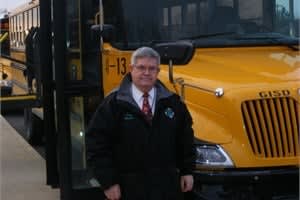
Gary West retired in December as director of transportation for GISD. During his tenure, he and the other staff worked to provide strong training for school bus drivers.
High-caliber training and safety
GISD prides itself on the type of training available to its drivers. Like most student transportation operations, safety is the highest priority.
“The most noteworthy thing I’ve seen happen while working for the consortium is the staff education we’ve designed,” West says. “We made that a special effort.”
Drivers learn many of the same safety procedures as the aides who work in the classrooms. In addition to learning how to board students with special needs, drivers receive basic medical training to cope with every-day and accidental dangers.
They learn CPR/first aid; Diastat, basic and individual seizure protocol; tracheal and oral suctioning; oxygen storage protocol; vagus nerve stimulation; breathing treatments; simple sign language; and crisis prevention intervention. Drivers also learn how to deal with students with blood-borne illnesses and how to use an EpiPen.
A few staff members are certified Red Cross supervisors and continually educate their peers, keeping them up to date with protocol.
GISD has also built a mock bus inside a trailer for hands-on training purposes. “I’m very proud of that bus,” West says. “We can take it to any district we desire and teach our staff about wheelchair lifts with a working lift. It’s just like the school buses they drive.”
The consortiums also offer a self-made safety manual — Michigan Model for School Bus Maintenance — to their maintenance staff to ensure that all inspections follow the same set of standards.
Maintaining rider satisfaction
Through route efficiency and proper training, the consortiums try to make the riding experience as comfortable as possible.
To measure its success, the program administers a seven-question survey annually to the students’ parents. Questions include: Does your driver communicate with you in a timely and effective manner? Is the bus ride to school consistent within 10 minutes? Do you see your child being treated fairly? Does our program do a good job of meeting your child’s emotional and medical needs while on the bus? Is your child physically comfortable on the bus?
Parents are asked to give the program a letter grade — 96% of families gave an A or B rating, West says. Feedback is worked into training sessions.
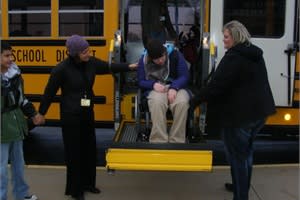
The staff strives to transport students in as comfortable an environment as possible. It measures its success by administering a seven-question satisfaction survey annually to the students’ parents.
Plans for the future
Through a 50-50 grant, GISD acquired two new propane buses. Due to impending federal government requirements on emissions standards, the consortiums plan to continually expand their number of green vehicles.
“We’re looking at another EPA rebate program and rethinking our general specifications for buses as we’re almost required to meet certain green diesel emission reduction standards,” West says.
The consortiums are also looking to add more districts and schools to their roster in the coming years.
In addition, on Jan. 7, the consortiums initiated a new program that allows select drivers and aides to work inside the classrooms on an as-needed basis as substitute pair-educators hired for specific students. There are plans in the works to expand this program.
“We think this new program will enhance how drivers treat, relate to and know the kids on their bus,” West says.
Fleet Facts
Schools buses: 139 (all full size)
Average students transported: 1,200 special-needs students daily; 1,400 career/technical studentsDistricts served: 21
Schools served: 45
Transportation staff: 9 in office; 225 drivers/attendants
Area of service: Genesee County, Mich., with services extending to Lapeer, Shiawassee and surrounding counties
More Special Needs Transportation
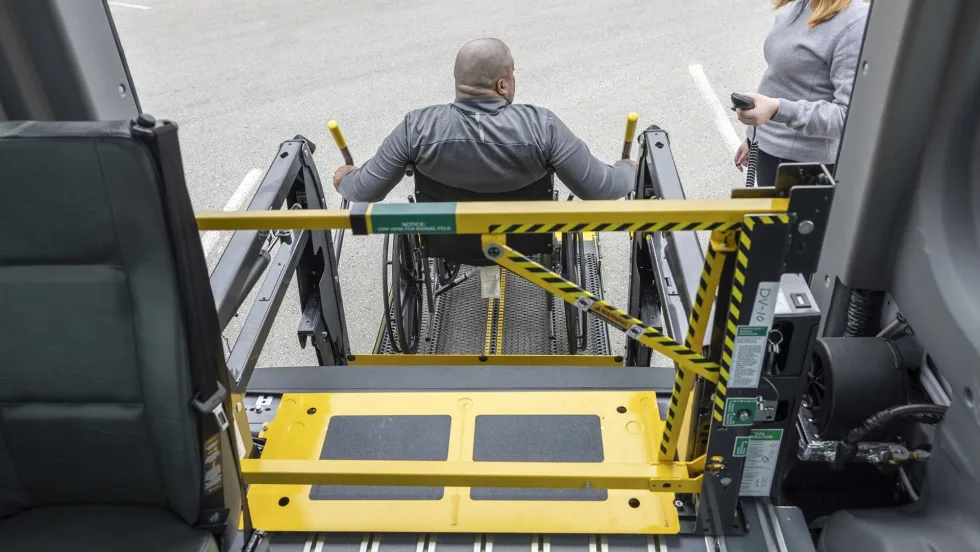
BraunAbility Introduces New Safety Barrier for Wheelchair Lifts
LiftSentinel is designed to add another layer of protection during wheelchair loading and unloading and can be retrofitted to many existing commercial lift installations.
Read More →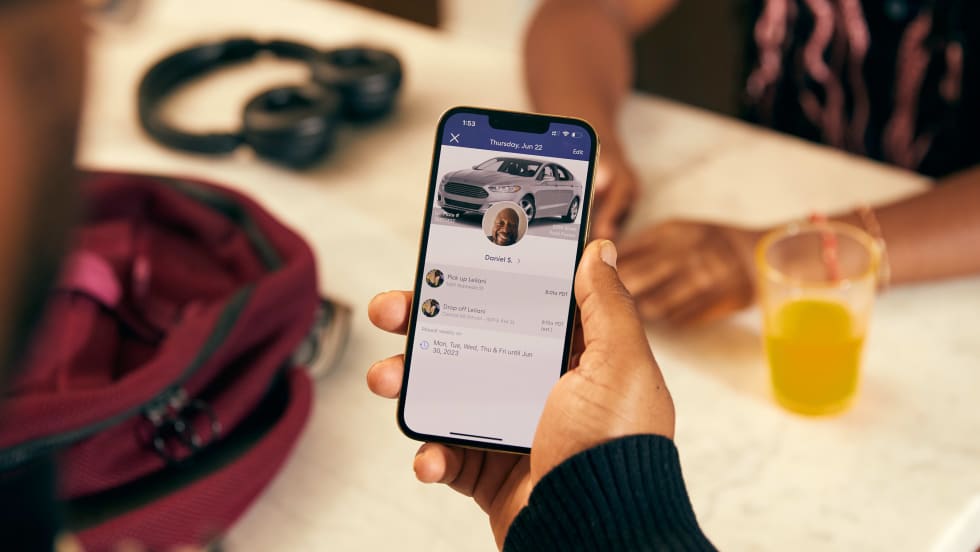
HopSkipDrive Launches New Safety, Driver Consistency Features for 2026-27 School Year
The company’s free ride recording, live ride tracking, and consistent driver assignments aim to improve safety and continuity for diverse student transportation needs.
Read More →
The Most Common Wheelchair Securement Mistakes on School Buses (and How to Fix Them)
Small missteps in wheelchair securement can have serious consequences. Here are 32 tips from experts to reduce risk and increase student safety on the bus.
Read More →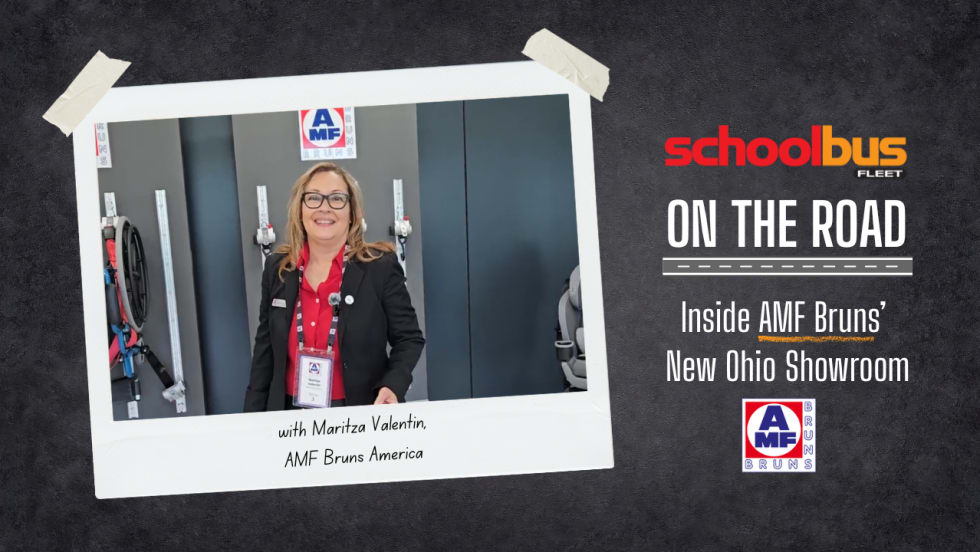
Inside AMF Bruns’ New Showroom: School Bus Securement Solutions Explained
Go inside AMF Bruns America’s new Ohio showroom with Maritza Valentin to see its FutureSafe technology, driver training tools, securement systems, and seating innovations.
Read More →
What AMF Bruns’ New Facility Means for Customers [Video]
Inside AMF Bruns’ new Stow, Ohio, operations: See how expanded space and innovation will enhance customer support and operations.
Read More →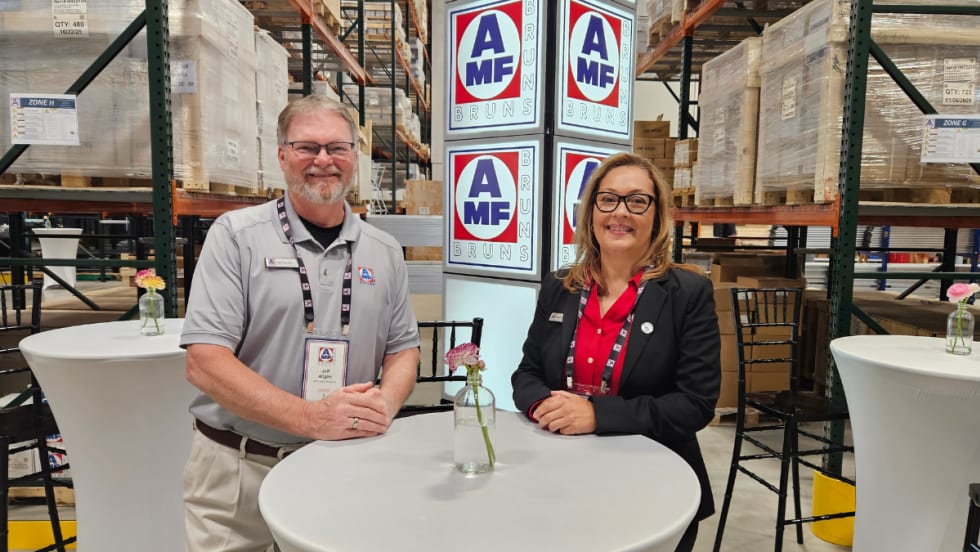
AMF Bruns Expands in Ohio, Investing in Growth and Community
With expanded production space, local investment, and a growing workforce, AMF Bruns is scaling its U.S. presence. Here’s an exclusive first look inside the new Stow, Ohio, HQ.
Read More →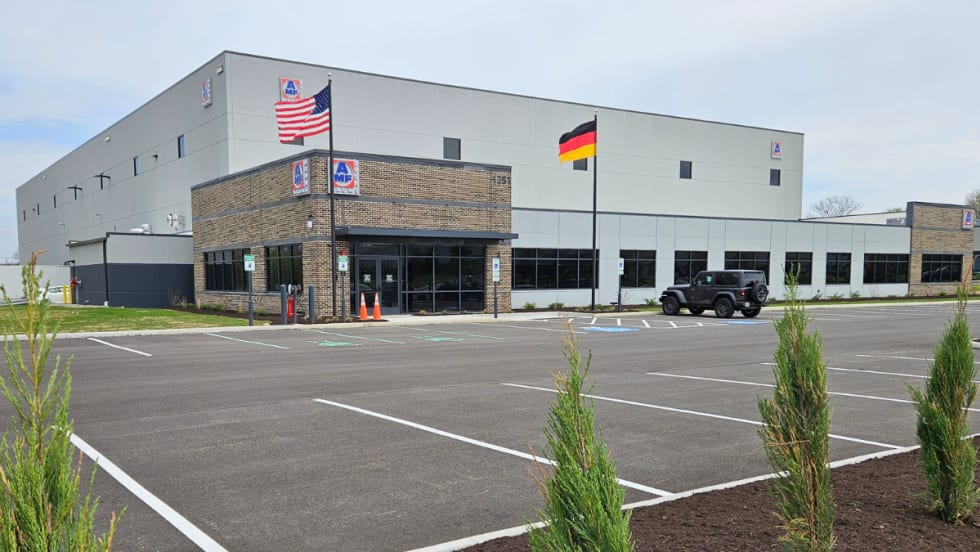
Inside AMF Bruns of America’s New Ohio Manufacturing Facility [Photos]
Take a behind-the-scenes look at AMF Bruns of America’s new 41,000-square-foot Stow, Ohio, headquarters, featuring advanced manufacturing, expanded space, and future-ready mobility solutions.
Read More →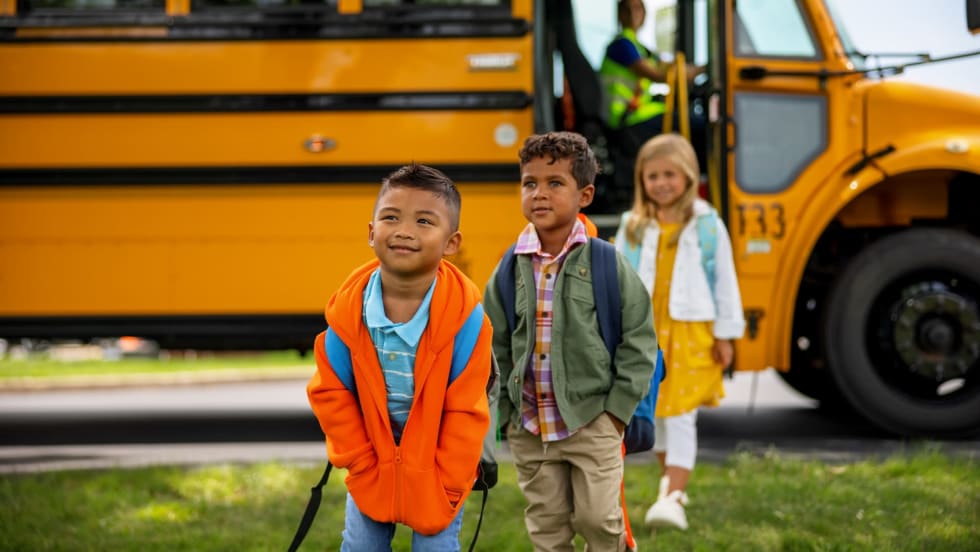
First Student Boosts Student Support in Wichita & Texas
First Student and Wichita Public Schools are using behavioral support strategies to improve student ride experiences, while a separate initiative expands access to after-school programs through a bus donation.
Read More →
2026 Special-Needs Transportation Survey
What’s changing in special-needs transportation? This year, student transportation operators report a rising need, easing driver shortages, growing tech adoption, and evolving challenges. Sponsored by AMF Bruns of America.
Read More →
The Lived-Experience Gap in Mobility Tech: An Expert Take on Safe Student Transportation
Brianna Pauwee, a product application specialist at AMF Bruns of America and a wheelchair user, drops in to The Route to share practical securement and training insights, plus the story behind the new “Beyond Mobility” podcast. The Route is sponsored by IC Bus.
Read More →