




The quest for optimum protection
It’s been nearly a year since the National Highway Traffic Safety Administration (NHTSA) unveiled its Notice of Proposed Rulemaking (NPRM) on enhancin...
It’s been nearly a year since the National Highway Traffic Safety Administration (NHTSA) unveiled its Notice of Proposed Rulemaking (NPRM) on enhancing school bus occupant crash protection. Presumably, the agency has been spending a great deal of time since then preparing its final rule.
Maybe you haven’t been holding your breath in anticipation of that final rule, but the outcome could have a significant impact on pupil transportation. The NPRM’s key proposals are to require lap-shoulder belts instead of only lap belts on small school buses, provide guidance for voluntary installation of lap-shoulder belts on large buses, and raise the minimum seat back height from 20 to 24 inches on all new school buses.
NHTSA has been tight-lipped about its rulemaking process, so it’s unclear at this point how the final rule is shaping up. However, if you were at the Southeastern States Pupil Transportation Conference in Atlanta in July, you may have heard NHTSA Regional Administrator Terrance Schiavone reveal that the agency plans to issue the final rule early next year.
That may seem like a long time to extend the industry’s wait, but NHTSA has at least one good reason to do so: The agency has begun testing new lap-shoulder belt-equipped school bus seats.
NHTSA didn’t propose to require lap-shoulder belts in large school buses (which a few states have already done), but it did give them an endorsement of sorts. The agency stated in the NPRM that, “Our laboratory test results indicate that our test dummies measured better head protection performance when lap-shoulder belts were properly used with compartmentalization than compared to compartmentalization alone.”
NHTSA called the combination of lap-shoulder belts and compartmentalization “the optimum passenger crash protection that can be afforded an individual passenger on a large school bus.”
However, the agency qualified by cautioning against students being diverted to less-safe forms of transportation, because lap-shoulder belt seats for school buses have, until recently, reduced capacity.
Well, the capacity issue has been addressed by the new lap-shoulder belt seats that NHTSA is now testing. These systems can fit three smaller students on a standard 39-inch seat.
What’s still a major concern is the increased cost of equipping a large school bus with lap-shoulder belt systems. In a time when the soaring cost of diesel has led school districts across the nation to scale back bus service and increase walking distances for many students, it’s tough to accept spending several thousand dollars more on a bus.
One potential source of funding to cover the additional cost is NHTSA’s Section 402 highway safety grants, although that could detract from other programs that use the grant money, such as those to reduce drunken driving. Clearly, the school bus industry needs more options.
I’ve stated my support for lap-shoulder belts on large buses in the past, and I continue to support them. But it is imperative that additional funding — whether from the federal government, states or elsewhere — be provided so that school districts and contractors aren’t forced to buy fewer buses to compensate.
More Safety

How to Build a Better School Bus Driver Training Program
Is it time to strengthen your driver training? Here’s how to pick the right talent and improve recruitment, retention, and safety. This video is brought to you by IC Bus.
Read More →
Recent School Bus Accidents Leave 2 Dead, 2 Injured
Four school bus crashes in Florida, Illinois, and Georgia highlight risks in transportation lots, at bus stops, and during student loading and unloading.
Read More →
When Every Second Matters, Clarity Keeps Routes Moving
From routine delays to urgent incidents, strong communication practices help drivers, dispatchers, schools, and families respond with confidence.
Read More →

What Happens When a School Bus Catches Fire — and What Can Help
School bus fires are rare but can be devastating. Learn how advances in fire suppression and asset protection help fleets detect fires earlier, reduce damage, and improve safety.
Read More →
Geotab Launches Tool to Help Fleets Investigate Road Incidents
Geotab Investigations combines telematics data, video, documents, and other evidence to help fleets reconstruct incidents, resolve claims, and determine what happened.
Read More →
Texas Sixth Grader Wins 2026 National School Bus Safety Poster Contest
Sai Darshana Yekolu of Moseley Middle School in Prosper, Texas, was named the newest winner for her artwork, bringing the theme of “Safe Rides, Everyday Heroes” to life.
Read More →
Doing More With Less: How Transportation Directors Can Prioritize Safety Amid Budget Uncertainty
With diesel prices soaring and nearly one-third of transportation directors expecting budget cuts, maintaining student safety has never been more challenging. Download this guide to learn how leading districts are prioritizing risk, funding critical safety technology, and building stronger budget cases with data.
Read More →
Walton County Schools Adds Gatekeeper Stop-Arm Enforcement System
The Florida district will deploy Gatekeeper’s updated Student Protector technology, which now incorporates AI to improve video evidence.
Read More →
How To Build a More Secure School Bus Yard During and After Hours
As thefts and overnight security threats continue, school transportation leaders are combining stronger operational practices with AI-enabled surveillance to better protect buses, facilities, and staff.
Read More →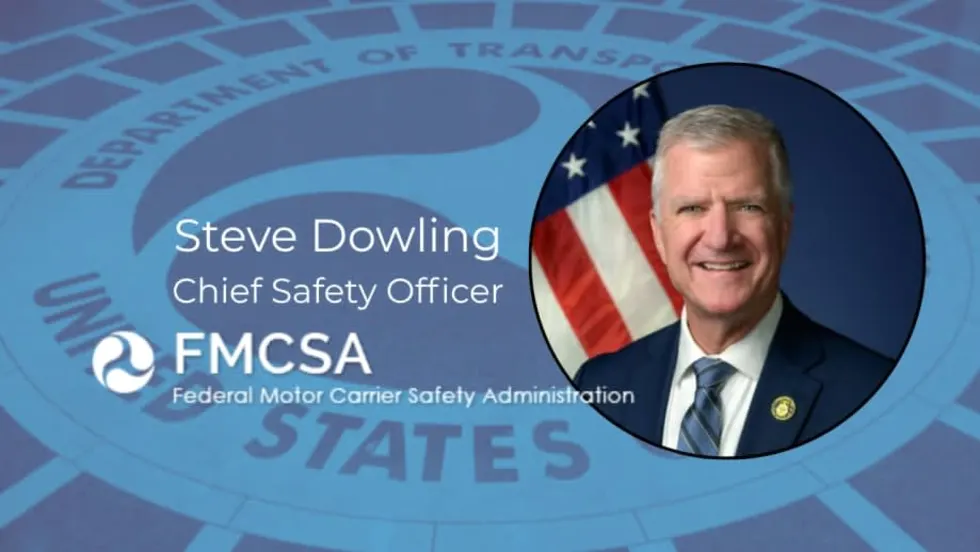
FMCSA Names New Chief Safety Officer: What School Bus Operators Should Know
Steve Dowling is set to lead the federal agency's efforts to advance commercial motor vehicle safety and reduce crashes, fatalities, and injuries on the nation's roadways.
Read More →