




The lessons of 35W
At press time, the death toll in the collapse of the Interstate 35W bridge in Minneapolis was still climbing. More than a week after the Aug. 1 disast...
At press time, the death toll in the collapse of the Interstate 35W bridge in Minneapolis was still climbing. More than a week after the Aug. 1 disaster, Navy divers recovered two bodies from the Mississippi River, increasing the number of fatalities to eight.
Considering the catastrophic nature of the bridge’s failure and the number of vehicles on the bridge at the time, I believe the death toll was remarkably low. The families of those killed in the tragedy would probably disagree, but there are times when you should be thankful that more pain, suffering and loss wasn’t accrued.
Which brings me around to the school bus on the bridge. This vehicle was carrying 62 people when the concrete gave way. It plunged an estimated 30 or 40 feet down to the river bank in three stages. The fact that no one on board was killed is a minor miracle, perhaps owing to the general sturdiness of school buses or perhaps just to good fortune.
Heroes played key role
But credit must also go to those who helped evacuate the more than 50 children on the bus, which was headed back from a swimming trip organized by a social services group. Those heroes included staff members of the social services group and passers-by.
One of the staff people, Jeremy Hernandez, realizing that the service door was pinned shut against the guardrail, broke open the rear emergency exit and started the evacuation. In a taped interview, Hernandez described the scene: “The kids were screaming, ‘We’re going to go into the river!’ so I jumped over the seats, went to the back door, kicked the coolers out, turned around and started throwing kids off the bus.”
Another hero was Gary Babineau, whose truck was on the bridge when it collapsed. He said he was fleeing the scene when he heard screams and crying coming from the school bus. He ran over to assist, lowering children from the bridge to the road below.
Babineau told a Minneapolis radio station that the children who were evacuated from the bus were so confused and terrified that they wanted to get off the bridge immediately, even though it was safer to walk farther down the bridge, where the elevation was 7 or 8 feet instead of 15. “They were so shaken up that they weren’t listening,” he said. Had they fallen off the bridge at the greater height, they could have been more badly injured during the evacuation than in the bridge collapse itself.
Evacuation drills are essential
Key to this discussion, then, is the importance of evacuation training. In the bridge collapse, the bus driver was incapacitated. Would your passengers know how to open the emergency door? How about a roof hatch? Would they know where to congregate and how to summon assistance?
Also, are you providing evacuation instructions to passengers who might not ride the bus regularly? According to Charlie Hood, Florida state pupil transportation director, his state requires the transporter to read an FAA-style evacuation script to passengers before every field and activity trip. This is a great idea.
In the bridge collapse, there were coolers on the bus. It’s important that any coolers, luggage or other large items be secured between the seats. As you may recall, some of the victims in the 1988 Carrollton, Ky., school bus fire died because the aisle was blocked by coolers and other large objects.
The 35W bridge collapse reminds us that emergencies can arise anywhere, without warning. More emphasis on evacuation drills and training is the proper response. We need to be lucky and good.
More Safety

How to Build a Better School Bus Driver Training Program
Is it time to strengthen your driver training? Here’s how to pick the right talent and improve recruitment, retention, and safety. This video is brought to you by IC Bus.
Read More →
Recent School Bus Accidents Leave 2 Dead, 2 Injured
Four school bus crashes in Florida, Illinois, and Georgia highlight risks in transportation lots, at bus stops, and during student loading and unloading.
Read More →
When Every Second Matters, Clarity Keeps Routes Moving
From routine delays to urgent incidents, strong communication practices help drivers, dispatchers, schools, and families respond with confidence.
Read More →

What Happens When a School Bus Catches Fire — and What Can Help
School bus fires are rare but can be devastating. Learn how advances in fire suppression and asset protection help fleets detect fires earlier, reduce damage, and improve safety.
Read More →
Geotab Launches Tool to Help Fleets Investigate Road Incidents
Geotab Investigations combines telematics data, video, documents, and other evidence to help fleets reconstruct incidents, resolve claims, and determine what happened.
Read More →
Texas Sixth Grader Wins 2026 National School Bus Safety Poster Contest
Sai Darshana Yekolu of Moseley Middle School in Prosper, Texas, was named the newest winner for her artwork, bringing the theme of “Safe Rides, Everyday Heroes” to life.
Read More →
Doing More With Less: How Transportation Directors Can Prioritize Safety Amid Budget Uncertainty
With diesel prices soaring and nearly one-third of transportation directors expecting budget cuts, maintaining student safety has never been more challenging. Download this guide to learn how leading districts are prioritizing risk, funding critical safety technology, and building stronger budget cases with data.
Read More →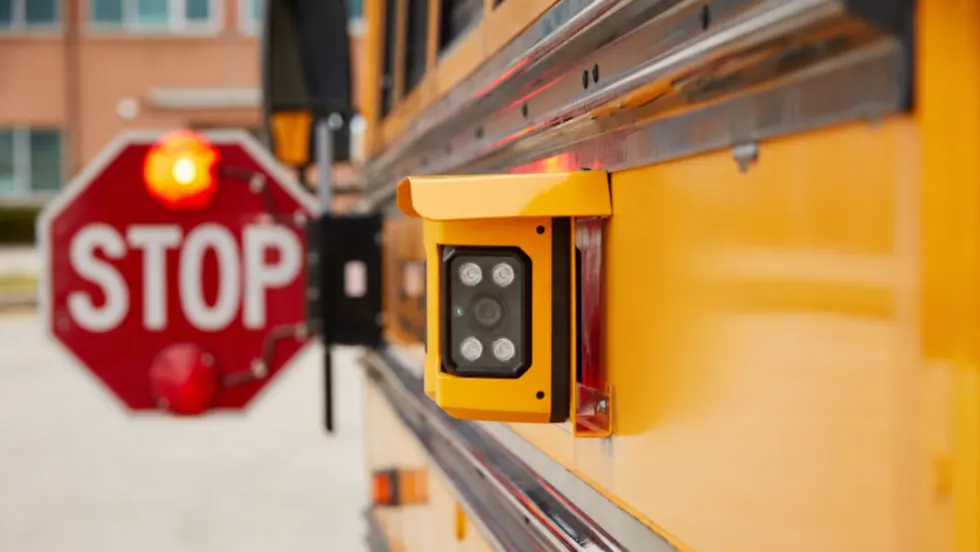
Walton County Schools Adds Gatekeeper Stop-Arm Enforcement System
The Florida district will deploy Gatekeeper’s updated Student Protector technology, which now incorporates AI to improve video evidence.
Read More →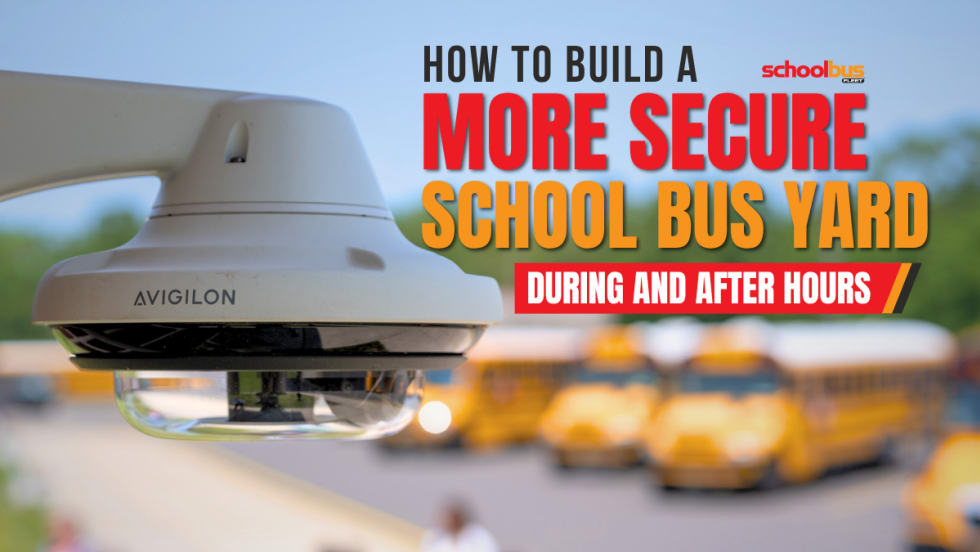
How To Build a More Secure School Bus Yard During and After Hours
As thefts and overnight security threats continue, school transportation leaders are combining stronger operational practices with AI-enabled surveillance to better protect buses, facilities, and staff.
Read More →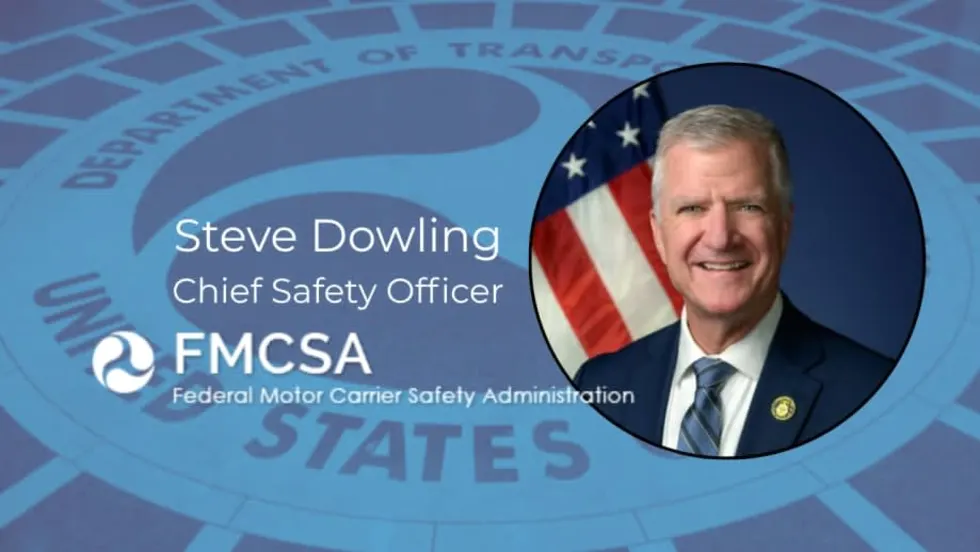
FMCSA Names New Chief Safety Officer: What School Bus Operators Should Know
Steve Dowling is set to lead the federal agency's efforts to advance commercial motor vehicle safety and reduce crashes, fatalities, and injuries on the nation's roadways.
Read More →