




Texas passes school bus seat belt bill
BEAUMONT, Texas — Gov. Rick Perry signed into law a bill that requires school buses to have three-point belts in all seats. The legislation...

BEAUMONT, Texas — Gov. Rick Perry signed into law a bill that requires school buses to have three-point belts in all seats.
The legislation sets Sept. 1, 2010, as the date after which all newly purchased school buses must be equipped with the belts. Additionally, charter buses used by school districts to transport students must be equipped with the restraints beginning Sept. 1, 2011.
Perry signed the bill in a ceremony at West Brook High School in Beaumont. The governor was joined by families of students involved in the school's fatal charter bus crash last year.
In that accident, the bus carrying a soccer team crashed and rolled over, killing two girls and injuring several others.
The crash, along with the efforts of surviving students and family members, provided impetus for the seat-belt bill, which has come to be known as "Ashley and Alicia's law" in honor of the teenagers who were killed.
Perry said that the legislation will save lives, prevent injuries and give parents peace of mind.
"Putting seat belts on school buses will give parents greater assurance that their precious children will be safer when they are out of their sight and not under their control," Perry said.
The bill requires students to wear belts on buses equipped with them and directs the State Board of Education (SBOE) to develop a training program on the proper use of the three-point restraints, which are also known as lap-shoulder belts. The SBOE will also serve as a statewide clearinghouse for best practices in school bus safety.
Four other states — New York, New Jersey, Florida and California — have school bus seat belt laws. Texas joins California in specifically requiring lap-shoulder belts; the other three states require lap or lap-shoulder belts.
At least three districts in Texas, the Austin, Beaumont and Galveston Independent School Districts, have already begun equipping their school buses with seat belts.
The legislation stipulates that school districts do not have to purchase new buses equipped with three-point seat belts until state legislators have accumulated enough money to reimburse the districts for their purchases.
The National School Transportation Association noted in a recent newsletter that Louisiana passed a similar bill in 1999 that was supposed to take effect in 2002, but the state Legislature has yet to provide the required funding.
But Perry and sponsors of the Texas bill were optimistic about procuring seat belt funding. "It would take about $15 to $30 million to fund belts for school buses for a biennium," Sen. Eddie Lucio told the Houston Chronicle. "Texas has a $153 billion budget. I think we can find the money."
The bill notes that a district can retrofit its existing bus fleet with seat belts at its own expense. To that end, a district can accept seat belt donations or monetary donations to purchase seat belts with the approval of its board of trustees.
While the topic of whether school buses should have seat belts has long been debated, it drew increased attention after a November 2006 crash in Huntsville, Ala., that killed four students.
On July 11, the National Highway Traffic Safety Administration will address the seat belt subject in a public meeting in Washington, D.C. (see story on pg. 14).
More Safety
North Carolina Student Killed While Boarding School Bus, Two Die in Utah Bus Crash
A Southern Nash High School student died after being struck by a pickup truck while approaching her school bus. In a separate incident, two people were killed after crashing into a school bus in Utah.
Read More →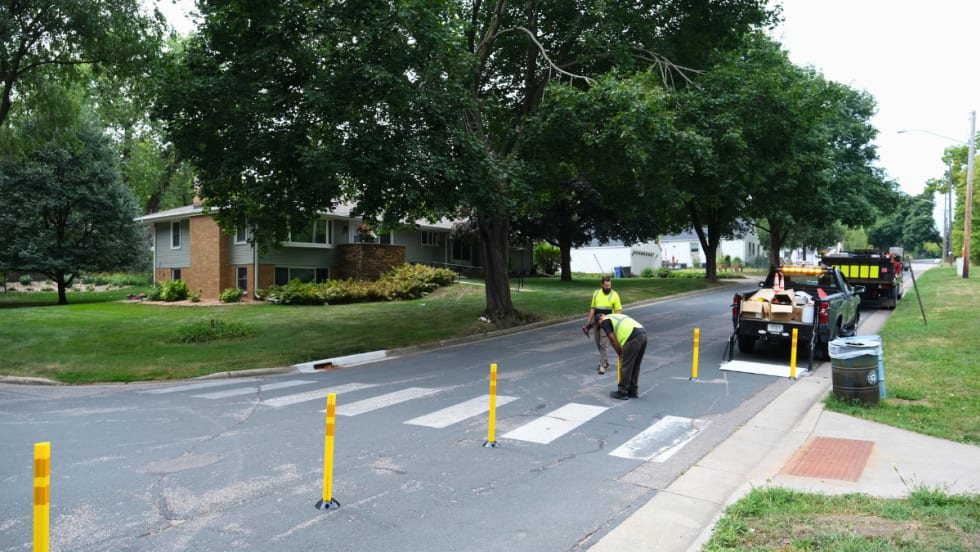
Minneapolis School Zone Pilot Cuts Speeding 41% with Low-Cost Street Design Changes
In a pilot project in Minnesota, two school-area intersections had low-cost, temporary road and traffic flow improvements made to measure the impact on roadway and student safety. Here's what they found.
Read More →
Sitestream, Safety Vision Partner with Connecticut City to Launch School Bus Stop-Arm Camera Program
The new enforcement initiative combines camera technology and violation management software to document illegal school bus passing, encourage driver compliance, and enhance student safety.
Read More →
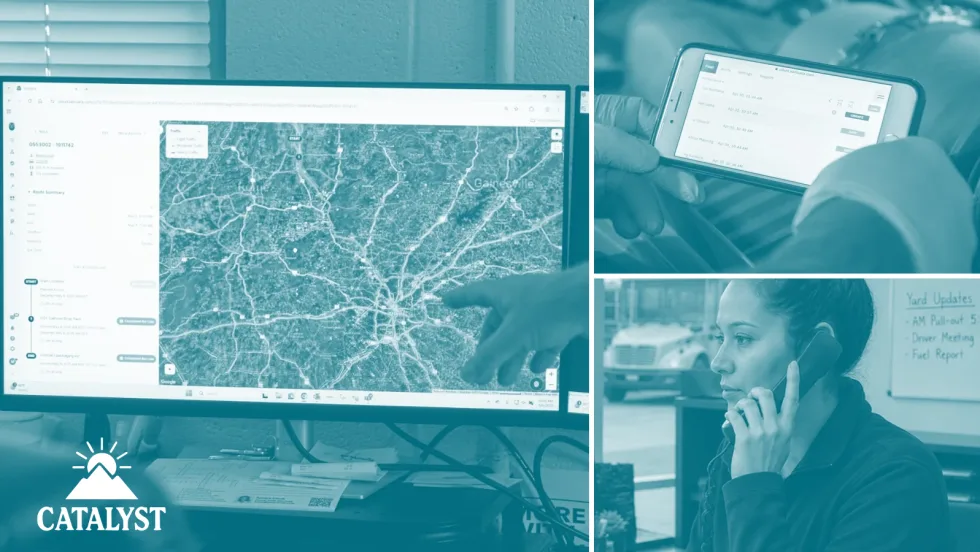
From Reactive to Proactive: Making Every Ride Visible
Smart technology only delivers its full value when it works together. See how Catalyst connects proven industry platforms to move student transportation from reactive to proactive.
Read More →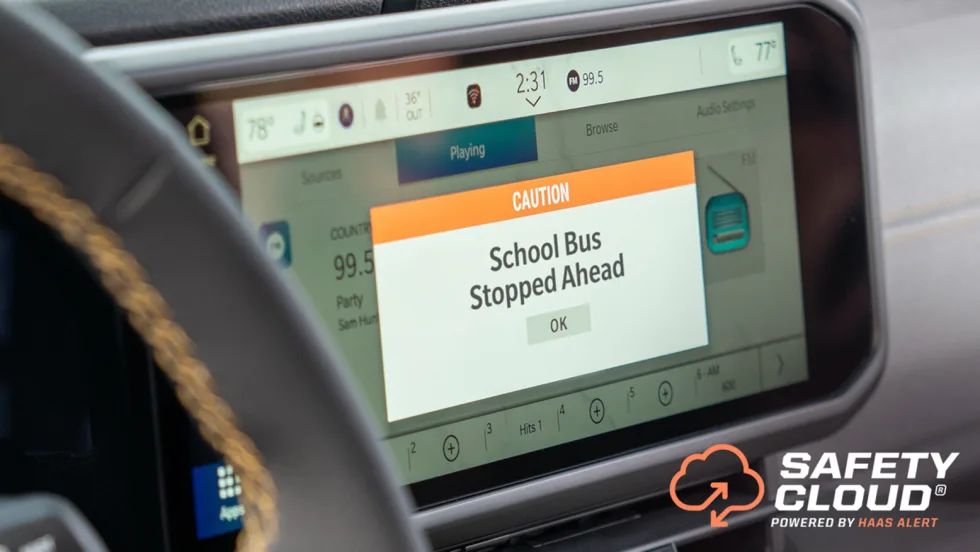
HAAS Alert’s Safety Cloud Warns Motorists of Stopped School Buses
Through a transponder or Samsara connection, the product lets school bus fleets send advance warnings to approaching drivers through in-vehicle alerts.
Read More →
HopSkipDrive Reports Progress on Safety Advisory Council
More than a year after forming the council, independent safety experts have helped shape new rider-safety features and policy progress, with a new goal to address rider behavior.
Read More →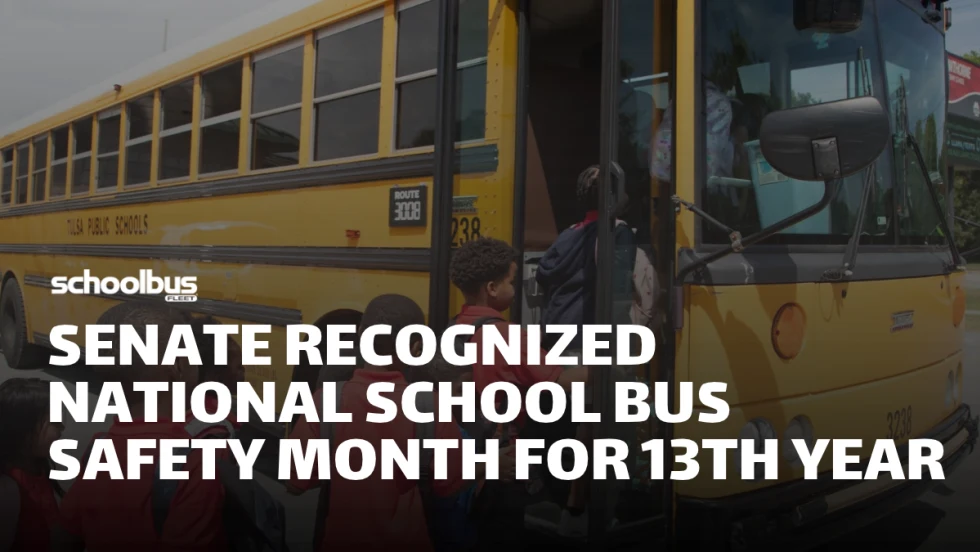
What the 2026 National School Bus Safety Month Resolution Means for Student Transportation
The bipartisan resolution highlights illegal school bus passing, student safety during loading and unloading, and the need for driver training and public education.
Read More →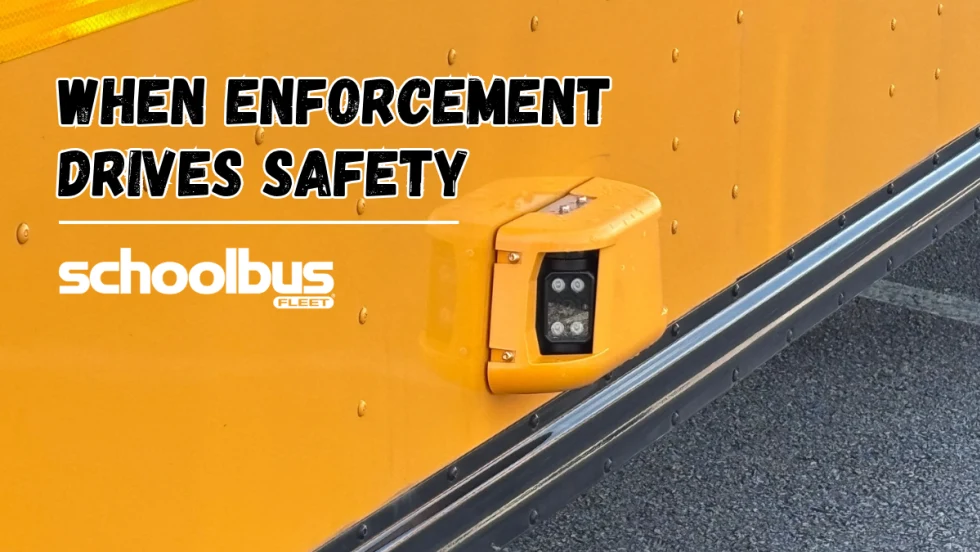
School Bus Stop-Arm Violations Decline 53% Across Verra Mobility Programs
Verra Mobility shares how school bus stop-arm cameras and school zone safety programs are changing driver behavior, reducing violations, and protecting students.
Read More →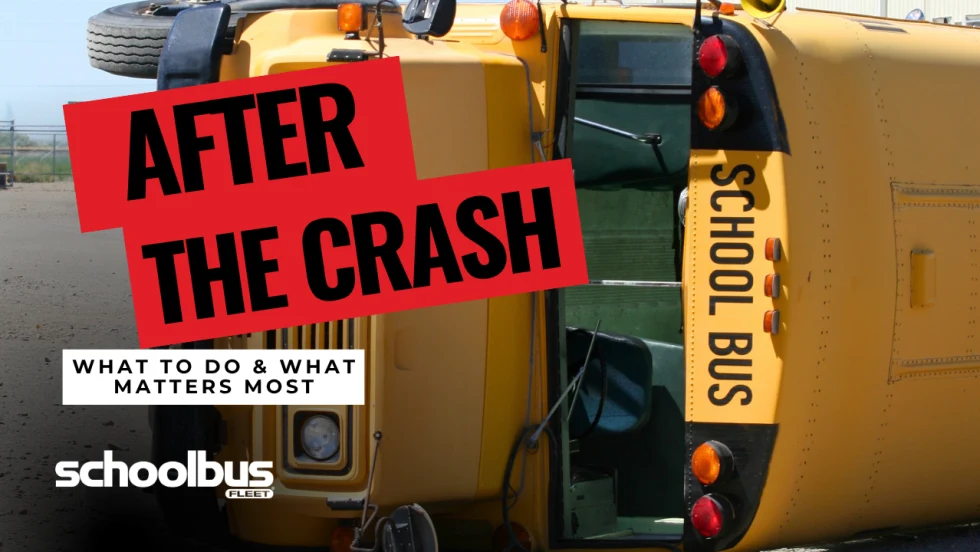
Most Bus Crashes Aren’t Your Fault. Here’s How to Prove It.
A guide for what to do in between a school bus crash and a claim: what to preserve, who to notify, and how to keep the facts available when they matter.
Read More →
National School Bus Safety Week 2026: Tips, Toolkits & Resources to Keep Students Safe
School bus safety takes more than awareness. Explore expert tips, enforcement strategies, and free resources to help protect students on every ride.
Read More →