




Target parents, too
The U.S. school bus industry has been unwavering in its support of safety, with an unparalleled safety record to show for it. From the design of the b...
The U.S. school bus industry has been unwavering in its support of safety, with an unparalleled safety record to show for it. From the design of the buses to the training of drivers to the location of the bus stops, the industry has applied a full-court press to the issue of safe passage of our children.
I think more can be done. We do a wonderful job safely transporting the approximately 24 million schoolchildren who climb aboard our buses each school day. But we haven’t been as successful in convincing parents and children who choose not to use our service that school buses are the safest, most convenient method of getting to and from school. We need to extend our safe practices to those children who are choosing not to ride the bus.
Think like a marketer
How? We need to do a much better job marketing ourselves. Even though we might not like to admit it, we are always battling an image problem. Yes, the yellow school bus is a venerated symbol of the U.S. educational system, often appearing in the background of TV news reports issuing from a school campus. But the reality is that most students, especially the older ones, view the school bus with disdain.
We need to deal with that perception by attacking it from another angle. Let’s face it — we’ll never change the minds of young people. Let’s work on their parents.
If they really knew how much more dangerous it is for their children to ride to and from school in an automobile rather than a bus, they might think twice. That’s the message that we need to send: Buses are not only convenient, but many times safer than cars.
As you’re probably aware, the Transportation Research Board of the National Academies for Science released a study in 2002 that found that teenagers who drive themselves or ride with friends to school — rather than ride a school bus — significantly increase their risk of being killed in a traffic accident. You need to figure out a way to relay this information to parents.
Use words like arrows
Here are a few ways to hit your target audience:
Develop a letter that can be sent to parents that encourages them to take advantage of the safety and convenience of your school buses. Your position will be greatly strengthened if you mention the heightened risk of teenagers driving themselves or riding with other student drivers to school.
Write a letter to the editor of your local newspaper to the same effect. The letters section is one of the most highly read sections in the newspaper. Take advantage of this often-overlooked method of communicating to parents and the rest of the community.
Take your message to PTA meetings. The parents who attend these meetings typically are heavily networked into the school system and can help to convey your information to other parents.
Go electronic. These days, most school districts and contractors have Websites. Why not post some information about the safety of school buses? Also, how about adding a tagline to your e-mail signature? “School buses — the safest vehicles on the road” sums it up pretty well, don’t you think?
For years, the school bus has been known as the “loser cruiser” to many youngsters, especially high school students. Although we’ll never be able to make it cool to ride a school bus, we should emphasize its relative safety and convenience to parents every chance we get.
More Safety
School's Back. Here's What Happened to Traffic, Speeding & Distraction
What happens to traffic when school resumes? New data analysis examines changes in distracted driving, congestion, and speeding around schools.
Read More →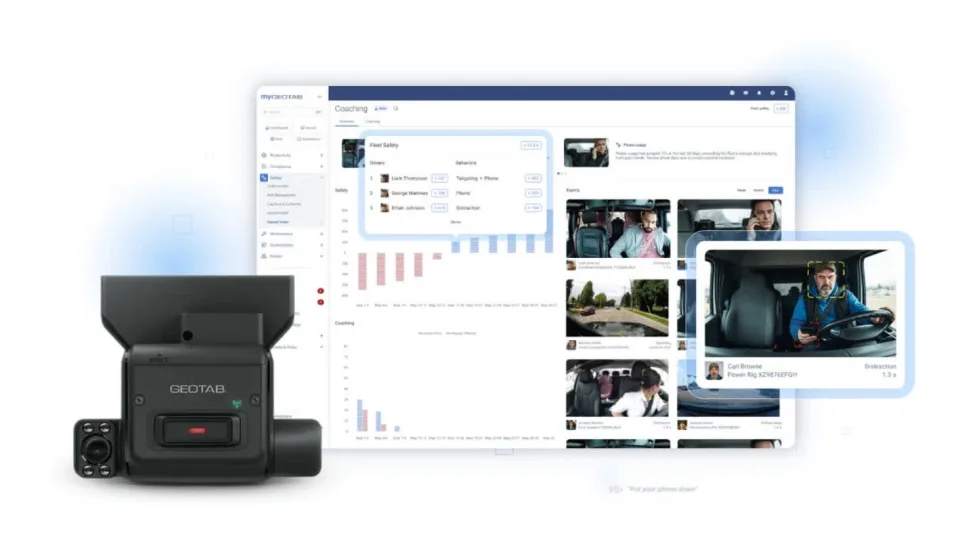
Geotab Expands Fleet Safety Tools With Video Coaching, Risk Insights
New safety and video capabilities aim to help fleet managers assess risk, support drivers, and take targeted action through video coaching, red-light violation detection, and more.
Read More →
How to Build a Better School Bus Driver Training Program
Is it time to strengthen your driver training? Here’s how to pick the right talent and improve recruitment, retention, and safety. This video is brought to you by IC Bus.
Read More →

Recent School Bus Accidents Leave 2 Dead, 2 Injured
Four school bus crashes in Florida, Illinois, and Georgia highlight risks in transportation lots, at bus stops, and during student loading and unloading.
Read More →
When Every Second Matters, Clarity Keeps Routes Moving
From routine delays to urgent incidents, strong communication practices help drivers, dispatchers, schools, and families respond with confidence.
Read More →
What Happens When a School Bus Catches Fire — and What Can Help
School bus fires are rare but can be devastating. Learn how advances in fire suppression and asset protection help fleets detect fires earlier, reduce damage, and improve safety.
Read More →
Geotab Launches Tool to Help Fleets Investigate Road Incidents
Geotab Investigations combines telematics data, video, documents, and other evidence to help fleets reconstruct incidents, resolve claims, and determine what happened.
Read More →
Texas Sixth Grader Wins 2026 National School Bus Safety Poster Contest
Sai Darshana Yekolu of Moseley Middle School in Prosper, Texas, was named the newest winner for her artwork, bringing the theme of “Safe Rides, Everyday Heroes” to life.
Read More →
Doing More With Less: How Transportation Directors Can Prioritize Safety Amid Budget Uncertainty
With diesel prices soaring and nearly one-third of transportation directors expecting budget cuts, maintaining student safety has never been more challenging. Download this guide to learn how leading districts are prioritizing risk, funding critical safety technology, and building stronger budget cases with data.
Read More →
Walton County Schools Adds Gatekeeper Stop-Arm Enforcement System
The Florida district will deploy Gatekeeper’s updated Student Protector technology, which now incorporates AI to improve video evidence.
Read More →