




Survey takes first step in tracking special-needs busing
Transporting children with disabilities has become an increasingly complex task for school bus fleets across the country. Fleet managers do the best they can, often with extremely limited resources in terms of time and staff. Merely keeping up with the latest developments in special-needs education and transportation presents an extraordinary challenge.
Transporting children with disabilities has become an increasingly complex task for school bus fleets across the country. Fleet managers do the best they can, often with extremely limited resources in terms of time and staff. Merely keeping up with the latest developments in special-needs education and transportation presents an extraordinary challenge.
Boundless challenges
Meanwhile, advances in medical technology have made it possible for severely disabled children to survive into adulthood. Consequently, growing numbers of these youngsters are riding the school bus, requiring transportation supervisors to upgrade their driver training to include courses in how to handle medically fragile children. Some of the issues are incredibly complex, with drivers literally having to make life-or-death decisions about the handling of passengers who may have Do Not Resuscitate (DNR) orders on file with the school district. The cost of special-needs transportation is also a concern. Of the states that track the per-pupil cost of transporting students with disabilities, many report an expense exceeding $2,000 per year, which is more than four times the average per-pupil cost for all transported students. Why is cost so important? Because transportation funding is still tight, despite this country’s long run of economic prosperity. More money spent on special-needs transportation means less money for regular-education buses. I’m not saying that’s wrong; it’s just a reality that we have to face. So where am I going with all this? I’ve provided this background to highlight the importance of the special-needs transportation survey that debuts in this issue (See feature "Nearly 40 Percent of Special-Needs Students Are Mainstreamed." Senior Editor Sandra Matke, who conducted the survey, said the questionnaire was designed to obtain benchmarks that can be compared from year to year. Repeating specific questions annually will allow us to spot trends in, say, the ratio of special-needs to regular-education passengers, the percentage of medically fragile riders and the participation of transportation providers in IEP meetings.
What we found, what we expect
One of the more interesting findings of this inaugural survey is the percentage of special-needs passengers categorized as medically fragile. According to our survey, one in 17 special-needs students, or about 6 percent, falls into that category. That means that a district transporting 500 students with special needs would handle about 30 passengers on average who are medically fragile. That’s a tremendous responsibility for a transportation supervisor, as I mentioned earlier, in terms of educating drivers about the various medical conditions that comprise this category. And we can expect the percentage of medically fragile passengers to grow as medical research brings new discoveries to light. The survey turned up another interesting finding. About 25 percent of the respondents, both school districts and contractors, said they regularly use vans to transport special-needs students. As the campaign to remove vans from school service gains momentum, we would expect that number to fall. Another statistic that we’ll be watching carefully is the percentage of special-needs students who are mainstreamed onto regular-route buses. According to everything I’ve read about the trend toward mainstreaming in the past several years, this number should go higher than its current 37 percent. But the beauty of surveys is that they don’t always turn out as anticipated. You’ll just have to follow along with us over the next several years to see if our survey results match our expectations.
More Special Needs Transportation
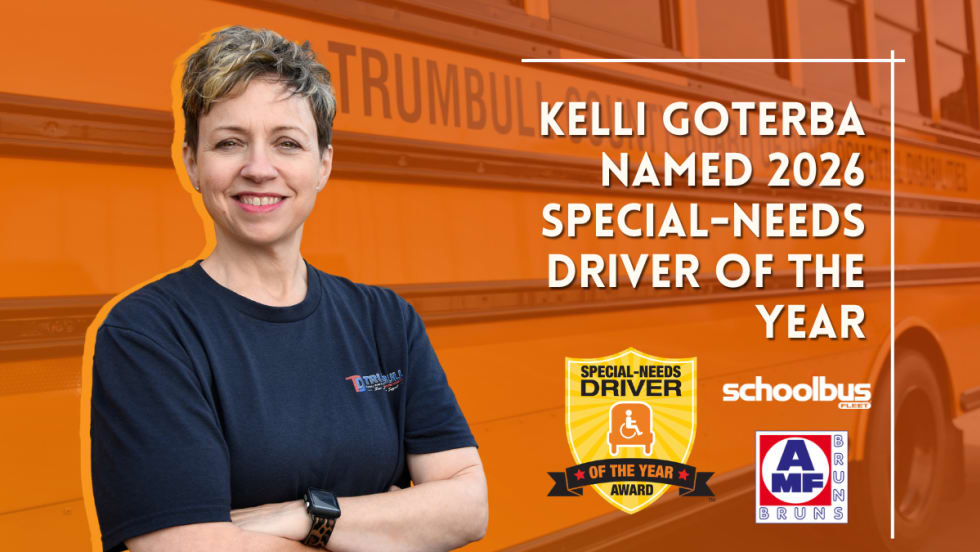
Kelli Goterba Named 2026 Special-Needs School Bus Driver of the Year
Through building trust with students and strengthening her transportation team, Goterba exemplifies the impact special-needs drivers can make.
Read More →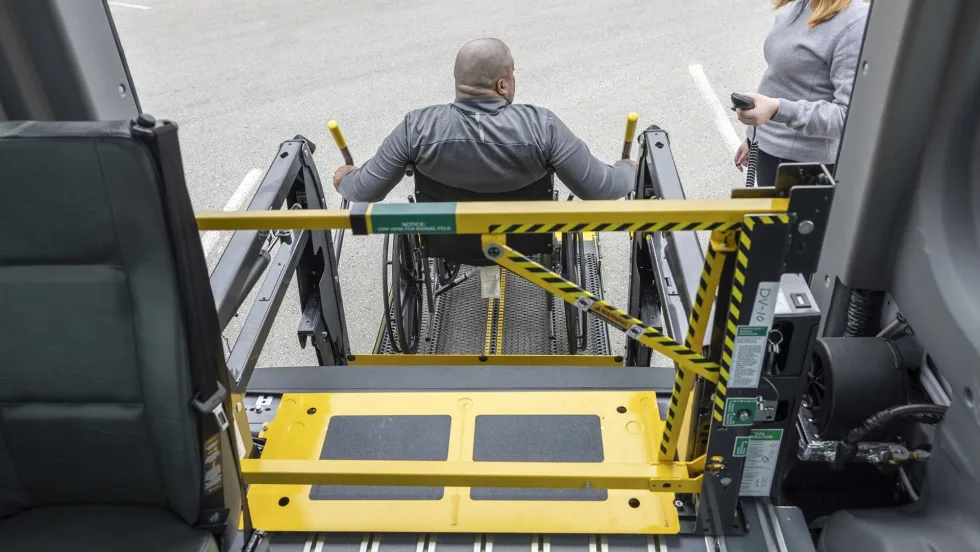
BraunAbility Introduces New Safety Barrier for Wheelchair Lifts
LiftSentinel is designed to add another layer of protection during wheelchair loading and unloading and can be retrofitted to many existing commercial lift installations.
Read More →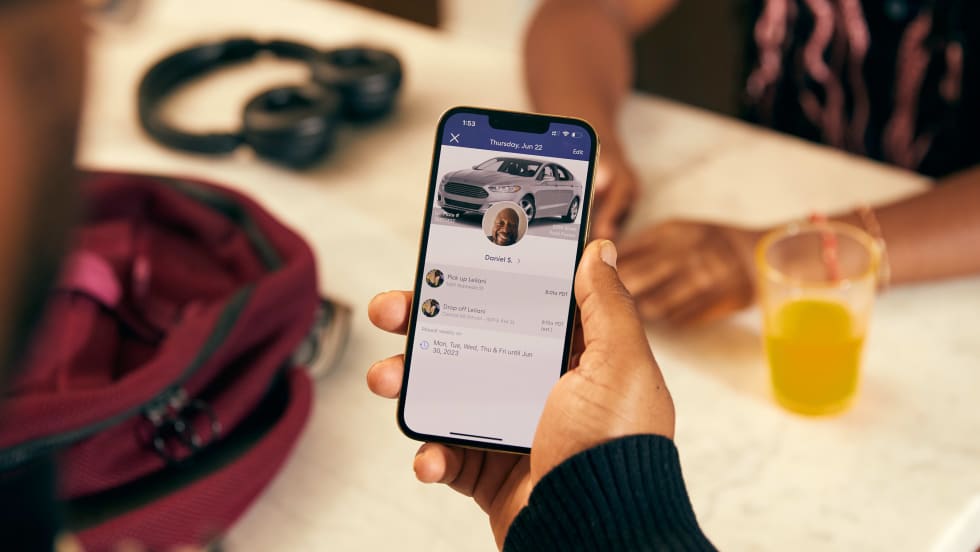
HopSkipDrive Launches New Safety, Driver Consistency Features for 2026-27 School Year
The company’s free ride recording, live ride tracking, and consistent driver assignments aim to improve safety and continuity for diverse student transportation needs.
Read More →
The Most Common Wheelchair Securement Mistakes on School Buses (and How to Fix Them)
Small missteps in wheelchair securement can have serious consequences. Here are 32 tips from experts to reduce risk and increase student safety on the bus.
Read More →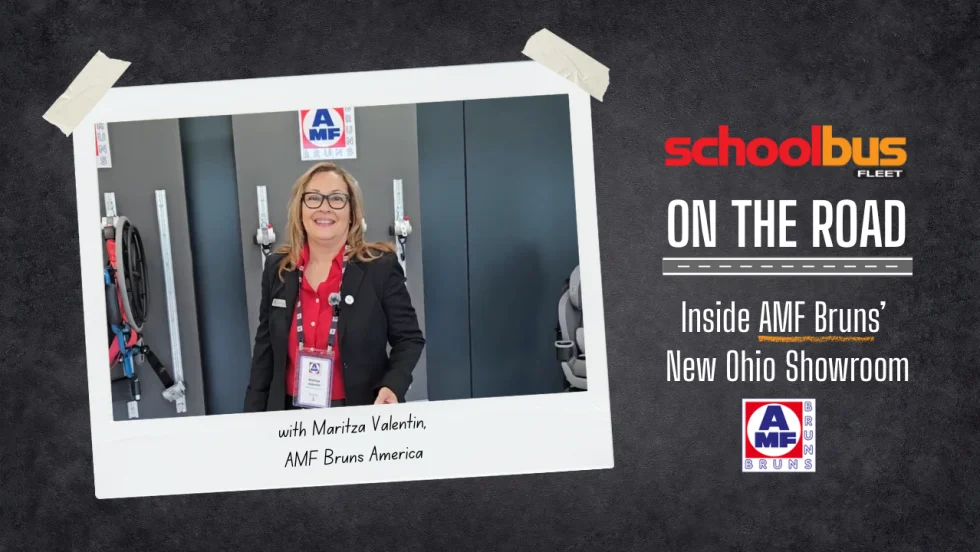
Inside AMF Bruns’ New Showroom: School Bus Securement Solutions Explained
Go inside AMF Bruns America’s new Ohio showroom with Maritza Valentin to see its FutureSafe technology, driver training tools, securement systems, and seating innovations.
Read More →
What AMF Bruns’ New Facility Means for Customers [Video]
Inside AMF Bruns’ new Stow, Ohio, operations: See how expanded space and innovation will enhance customer support and operations.
Read More →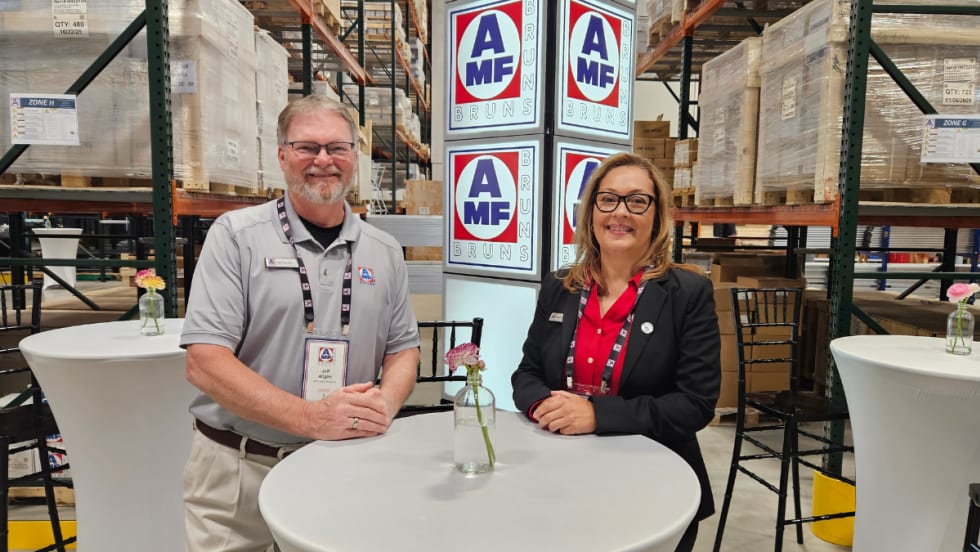
AMF Bruns Expands in Ohio, Investing in Growth and Community
With expanded production space, local investment, and a growing workforce, AMF Bruns is scaling its U.S. presence. Here’s an exclusive first look inside the new Stow, Ohio, HQ.
Read More →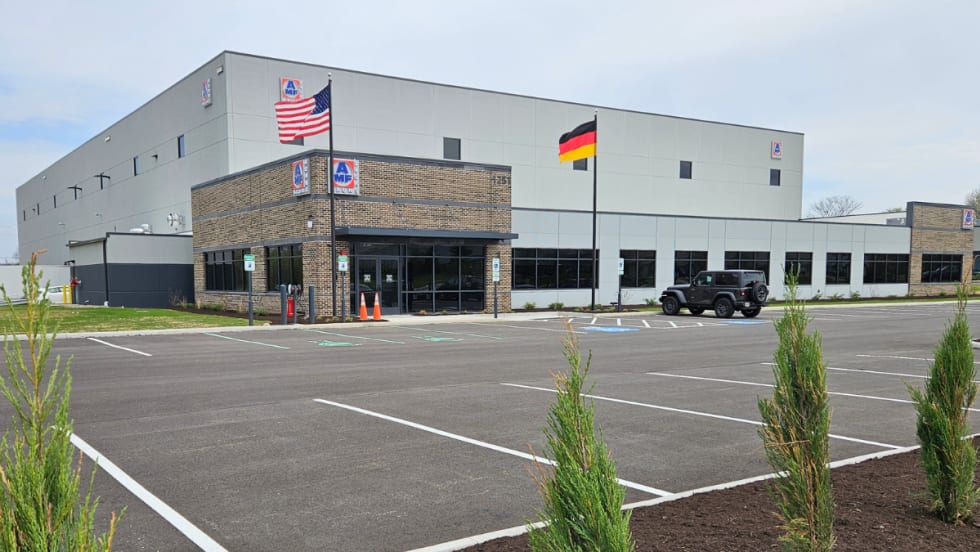
Inside AMF Bruns of America’s New Ohio Manufacturing Facility [Photos]
Take a behind-the-scenes look at AMF Bruns of America’s new 41,000-square-foot Stow, Ohio, headquarters, featuring advanced manufacturing, expanded space, and future-ready mobility solutions.
Read More →
First Student Boosts Student Support in Wichita & Texas
First Student and Wichita Public Schools are using behavioral support strategies to improve student ride experiences, while a separate initiative expands access to after-school programs through a bus donation.
Read More →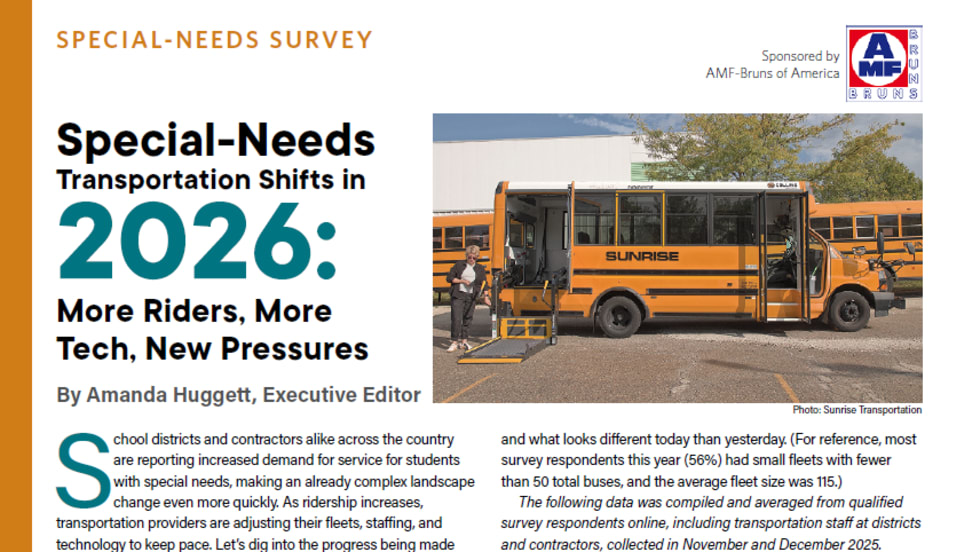
2026 Special-Needs Transportation Survey
What’s changing in special-needs transportation? This year, student transportation operators report a rising need, easing driver shortages, growing tech adoption, and evolving challenges. Sponsored by AMF Bruns of America.
Read More →