



Striking a balance between caution and imprudence
Beginning Jan. 1, motorcoach drivers who transport K-12 students in Illinois on school-sponsored trips will be required to have a school bus permit, m...
Beginning Jan. 1, motorcoach drivers who transport K-12 students in Illinois on school-sponsored trips will be required to have a school bus permit, meaning that they'll have to undergo specialized school bus training, pass another set of CDL knowledge and skills tests and submit a set of fingerprints for a federal criminal background check (see the Industry News section of this issue).
On the face of it, this new law makes perfect sense. After all, these motorcoach operators are transporting students; why shouldn't they be required to undergo the same intensive training, testing and background verification as school bus drivers?
No, a bus is not a bus
Well, first and foremost, they're not driving school buses. A motorcoach is very different from a school bus. Motorcoaches are designed for long, comfortable hauls, while school buses are designed for short trips with less emphasis on comfort.
More importantly, motorcoach operators do not transport students in the same fashion as a school bus. They do not make constant stops to pick up and drop off students. Thus, they don't need to concern themselves with controlling traffic with stop arms or eight-way warning light systems or about how to cross students in front of the bus. Also, in most cases, motorcoach operators have chaperones aboard, such as coaches, teachers and parents, to help with behavior management and other related issues.
When you examine the issues objectively, you discover that most of the school bus-specific training would be irrelevant to a motorcoach operator.
Looking at the spate of school charter crashes that resulted in serious injuries and death in the past few years, I think it's safe to say that school bus driver training would not have prevented them. Most commonly, the crashes were attributable to driver fatigue. A school bus permit will not ensure against this problem. Schools need to do their homework before hiring a charter company. They should verify that a proper pre-trip inspection has been performed and that the itinerary provided by the company observes hours of service regulations.
Yes, it would be nice if all motorcoach drivers were subjected to criminal background checks. And there's nothing to prevent a school from asking a motorcoach company to perform those checks.
Charter costs could go up
Although we'll have to see how this plays out in Illinois, the state's regulatory zeal could have other repercussions. For example, some motorcoach companies may decide to raise their rates to recover the costs of having drivers obtain school bus permits. That would exert additional financial pressure on schools already forced to curtail their spending. Even worse, it could force some companies to withdraw from the school charter business, resulting in fewer transportation options.
Admittedly, striking a balance between reasonable and unreasonable caution is difficult. But putting extraneous demands on charter bus operators at a time when motorcoach companies are strapped for business and school districts are strapped for funding is counterproductive. Let's hope that other states avoid enacting the same unnecessary restrictions.
I'd like to hear what you think about this issue. To register your opinion, visit the Web Poll at www.schoolbusfleet.com. We'll publish the results in next month's issue. Or you can send an e-mail to frank.digiacomo@bobit.com.
More Safety
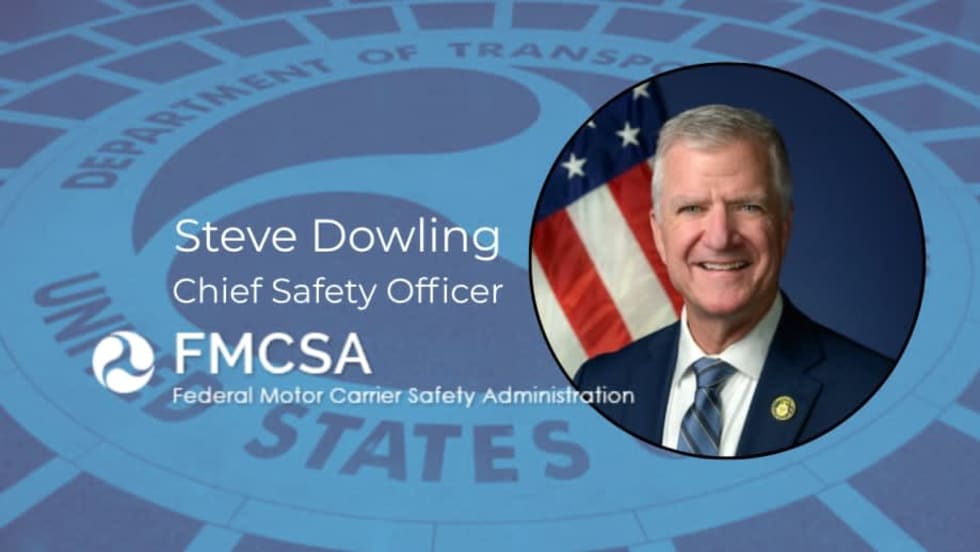
FMCSA Names New Chief Safety Officer: What School Bus Operators Should Know
Steve Dowling is set to lead the federal agency's efforts to advance commercial motor vehicle safety and reduce crashes, fatalities, and injuries on the nation's roadways.
Read More →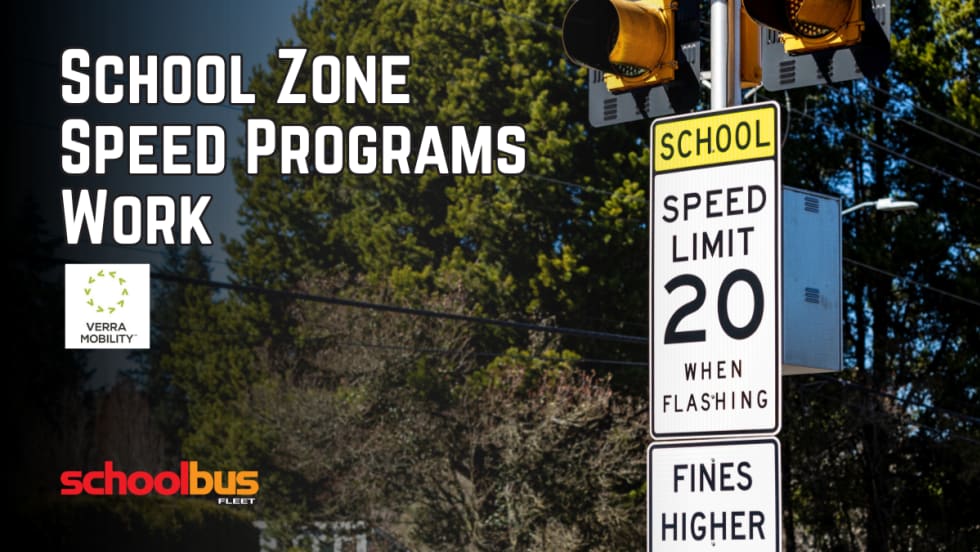
New Study Finds School Zone Speed Safety Cameras Cut Speeding Violations 97%
A Florida university's research demonstrates that Verra Mobility's automated enforcement changes driver behavior and significantly improves school zone safety.
Read More →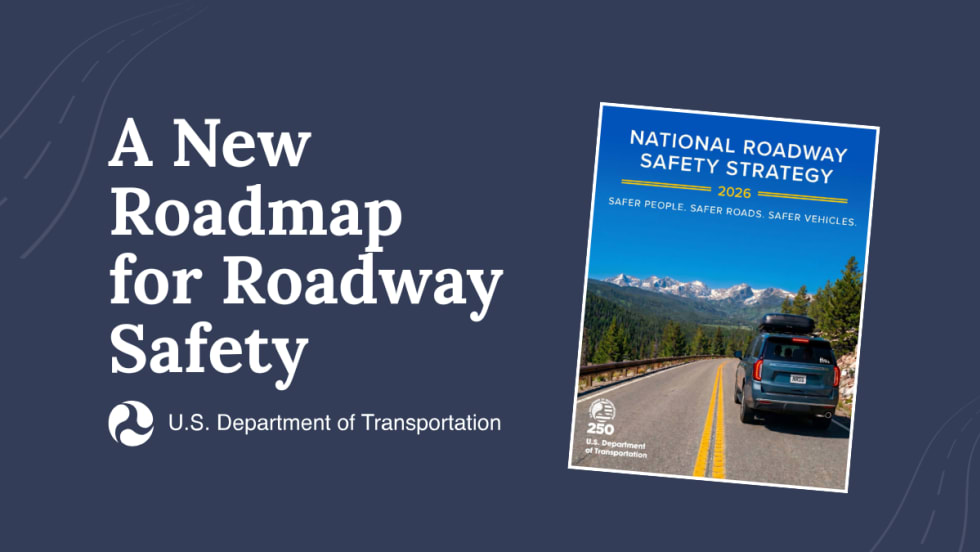
What Changed in DOT’s New National Roadway Safety Strategy?
The federal agency's new plan shifts its focus to safer people, roads and vehicles, with a new three-pronged approach instead of five. One outlined action even addresses a key industry concern around illegal school bus passing.
Read More →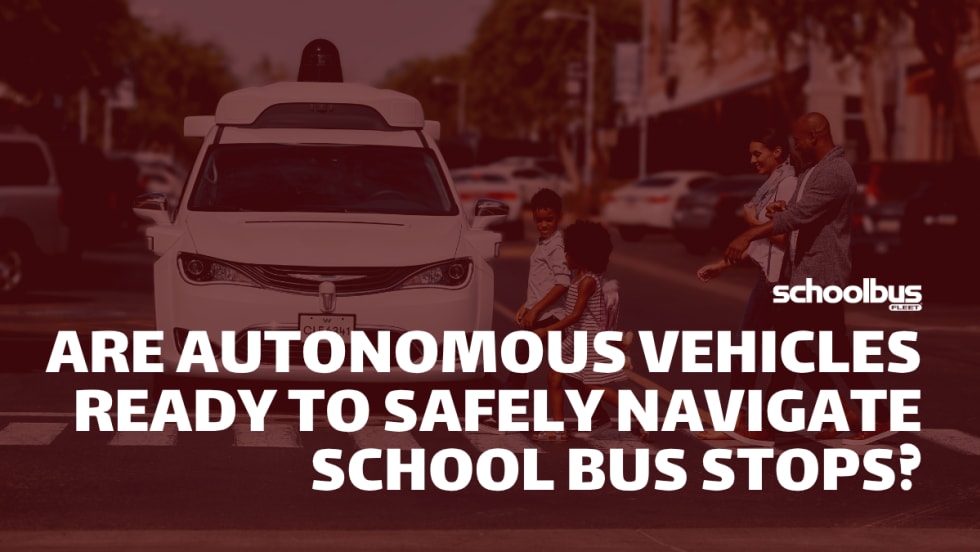
Are Autonomous Vehicles Ready to Safely Navigate School Bus Stops?
NHTSA is accelerating autonomous vehicle deployment through new safety standards and commercial approvals. See why school transportation leaders are watching.
Read More →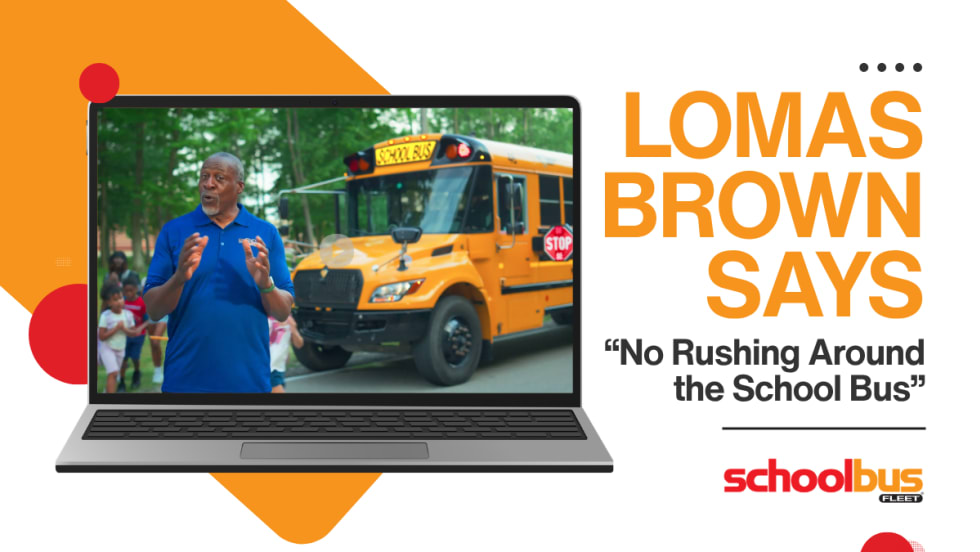
NFL Star Lomas Brown Kicks Off New Illegal School Bus Passing PSA
Just in time for the back-to-school season, the former Detroit Lions offensive tackle took time to record a video encouraging motorists to slow down around school buses.
Read More →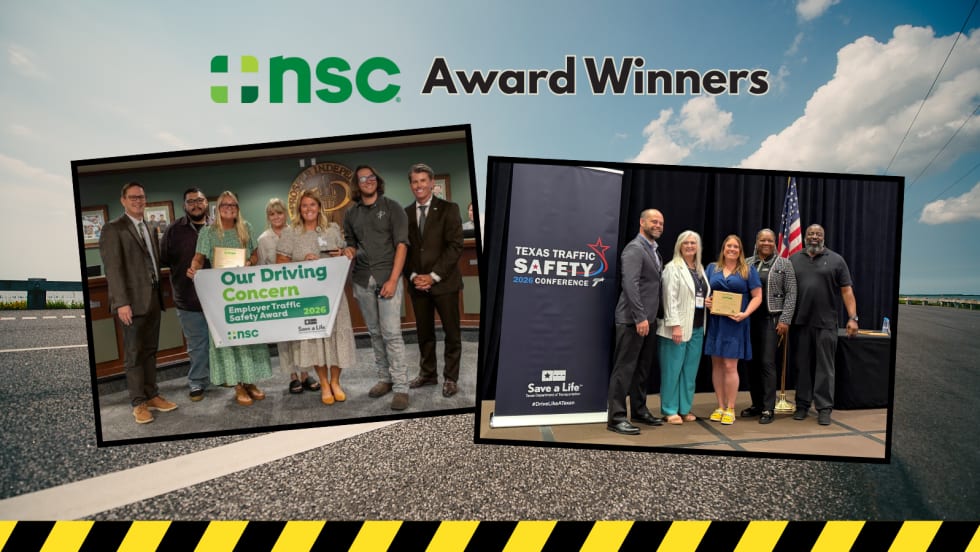
How Two Texas Districts Built Award-Winning Safety Programs
Learn how Prosper ISD and Rockwall ISD earned National Safety Council honors through hands-on training, safety culture, and strategies that reduced transportation incidents.
Read More →
NHTSA Releases 10-Year Review of Fatal School Bus Crashes
The latest federal analysis reinforces the safety of school buses while identifying where school-age pedestrians and other motorists remain most at risk.
Read More →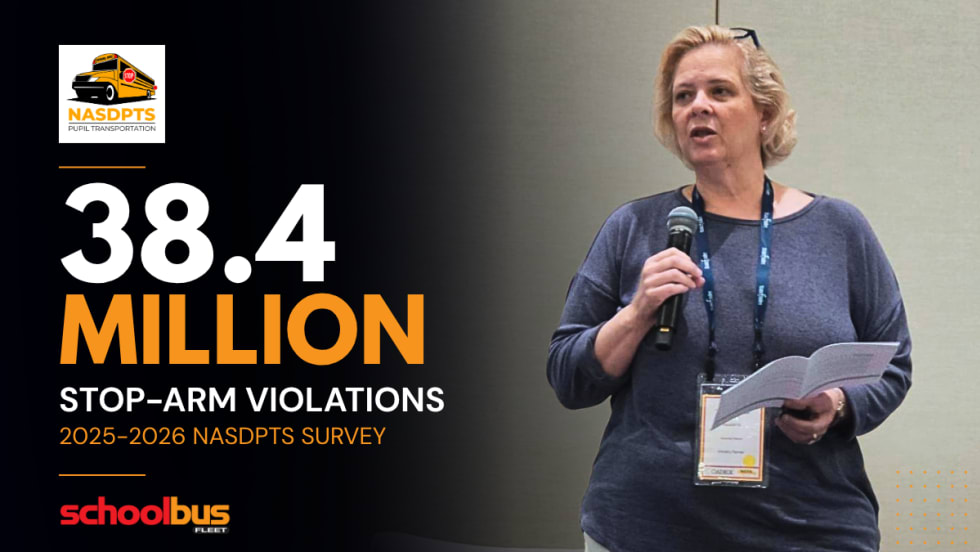
2026 NASDPTS Survey: Data Shows Further Reduction of Illegal Passing
New data is in! School bus stop-arm passings are down to 38.4 million violations per year, about a 2.3% decrease from last school year — but passings on the right side of the bus are higher than ever.
Read More →
Another School Bus Fatality Reported in Monsey, New York
A 7-year-old girl died after being struck by a school bus in Rockland County, New York while crossing the street. Here's what we know.
Read More →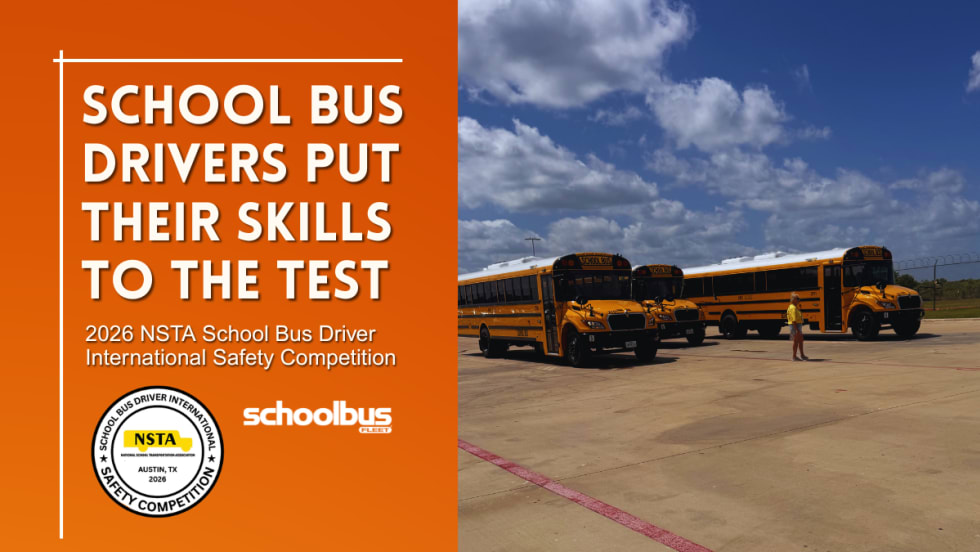
NSTA Announces 2026 School Bus Driver International Safety Competition Winners
Drivers from across the U.S. and Canada showcased their safety and driving skills, with two defending champions successfully retaining their titles.
Read More →