




Squeeze on Head Start puts strain on transportation
Welfare reform is changing the needs of underprivileged children who attend Head Start programs. That's because their parents are moving into the labo...
Welfare reform is changing the needs of underprivileged children who attend Head Start programs. That's because their parents are moving into the labor force in greater numbers, expanding the need for full-day and full-year Head Start programs. How does this affect the school bus industry? Unfortunately, it could have a negative effect. The cost of providing services for a full day is, of course, significantly greater than a partial day. That means that funding will be even tighter for auxiliary services such as transportation. Moreover, if parents are working full-time, they will be less available to transport their children to the Head Start facility, meaning that more program transportation will be required.
Safety efforts stalled?
The probable outcome is that Head Start operators who have been trying to convert their fleets from vans to small school buses will have to seriously review this effort. As we all know, school buses require greater capital expenditure than vans and also increase overall operating costs because of the need to hire drivers with CDLs. But, we also know that the liability exposure in operating non-conforming vans (in most states, 11- to 15-passenger models) is tremendous. Even if state law allows the use of non-conforming vans, the possible civil punishment in the event of an accident that injures or kills a child passenger could be quite severe. Can Head Start operators bear the risk of transporting children in anything other than school buses? I don't think so. More importantly, do they want to jeopardize the safety of their charges? Obviously not. It's very clear that school buses are safer than all other forms of surface transportation when you look at fatality statistics. Head Start transportation coordinators should not ignore this fact. If they want to give their clients an early push in the right direction, they should not sacrifice a safe ride to and from the Head Start facility. On a more positive note, the National Highway Traffic Safety Administration (NHTSA) has released a guideline for transporting preschool-age children on school buses, which should be useful to Head Start agencies as well as traditional school district operations. The guideline is designed to assist transportation managers in developing policies and procedures for safely transporting infants, toddlers and preschool children. The document is a fine resource for Head Start operators who require some direction in standardizing their transportation programs.
NHTSA provides guidance
As Diane Wigle, highway safety specialist at NHTSA, notes, the guideline is not meant to be a comprehensive manual on choosing and installing child safety restraints. Wigle says school bus operators need to be selective when they shop for child safety seats. "Try them out at the local store and see which one works best for you," she says. In addition, Wigle recommends that school bus operators seek guidance from certified child passenger safety technicians on the proper methods of attaching child safety seats. They should also make sure that the child safety restraint system, attachment hardware, anchorages and school bus seats meet federal safety standards. When ordering new buses, the transportation provider should specify bus seats that have the maximum seat spacing (24 inches from the seating reference point). For an inside look at how Head Start operators are overcoming the driver shortage, see "Head Start Programs Push 'Commitment' to Recruit, Retain Drivers," in this month's issue.
More Safety

How to Build a Better School Bus Driver Training Program
Is it time to strengthen your driver training? Here’s how to pick the right talent and improve recruitment, retention, and safety. This video is brought to you by IC Bus.
Read More →
Recent School Bus Accidents Leave 2 Dead, 2 Injured
Four school bus crashes in Florida, Illinois, and Georgia highlight risks in transportation lots, at bus stops, and during student loading and unloading.
Read More →
When Every Second Matters, Clarity Keeps Routes Moving
From routine delays to urgent incidents, strong communication practices help drivers, dispatchers, schools, and families respond with confidence.
Read More →

What Happens When a School Bus Catches Fire — and What Can Help
School bus fires are rare but can be devastating. Learn how advances in fire suppression and asset protection help fleets detect fires earlier, reduce damage, and improve safety.
Read More →
Geotab Launches Tool to Help Fleets Investigate Road Incidents
Geotab Investigations combines telematics data, video, documents, and other evidence to help fleets reconstruct incidents, resolve claims, and determine what happened.
Read More →
Texas Sixth Grader Wins 2026 National School Bus Safety Poster Contest
Sai Darshana Yekolu of Moseley Middle School in Prosper, Texas, was named the newest winner for her artwork, bringing the theme of “Safe Rides, Everyday Heroes” to life.
Read More →
Doing More With Less: How Transportation Directors Can Prioritize Safety Amid Budget Uncertainty
With diesel prices soaring and nearly one-third of transportation directors expecting budget cuts, maintaining student safety has never been more challenging. Download this guide to learn how leading districts are prioritizing risk, funding critical safety technology, and building stronger budget cases with data.
Read More →
Walton County Schools Adds Gatekeeper Stop-Arm Enforcement System
The Florida district will deploy Gatekeeper’s updated Student Protector technology, which now incorporates AI to improve video evidence.
Read More →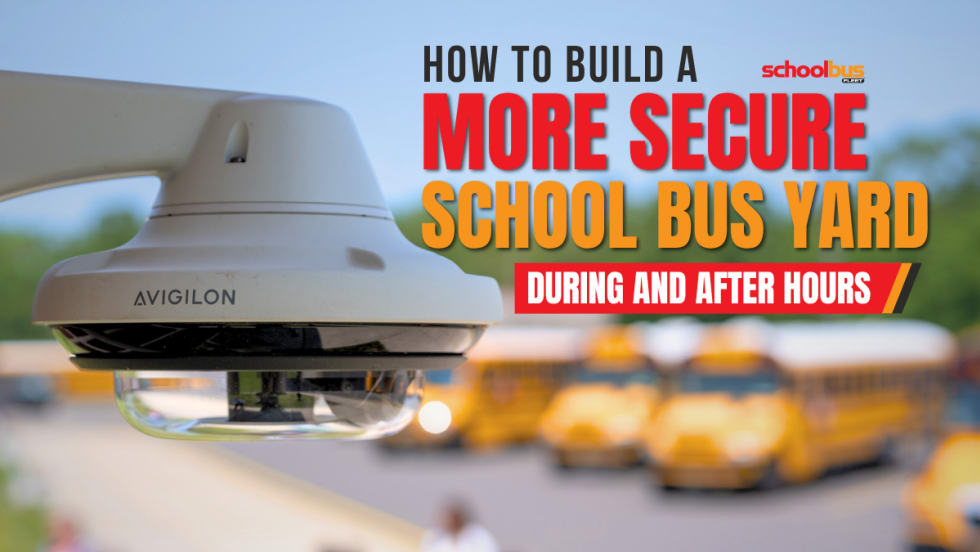
How To Build a More Secure School Bus Yard During and After Hours
As thefts and overnight security threats continue, school transportation leaders are combining stronger operational practices with AI-enabled surveillance to better protect buses, facilities, and staff.
Read More →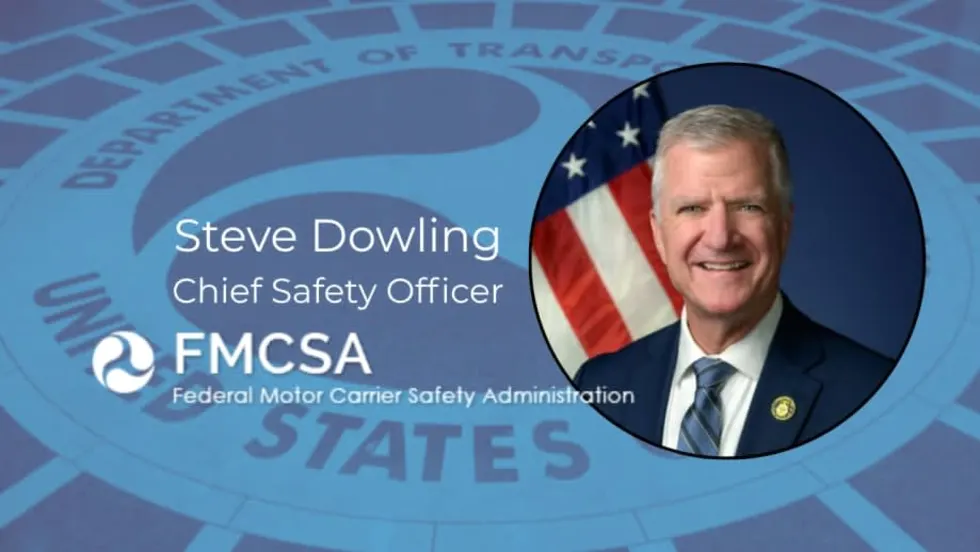
FMCSA Names New Chief Safety Officer: What School Bus Operators Should Know
Steve Dowling is set to lead the federal agency's efforts to advance commercial motor vehicle safety and reduce crashes, fatalities, and injuries on the nation's roadways.
Read More →