




Special-needs transportation: We're good, but we could be better
We, as an educational system, have not been fulfilling our obligations to prepare all students for a successful post-secondary life — at least with regard to transportation skills.
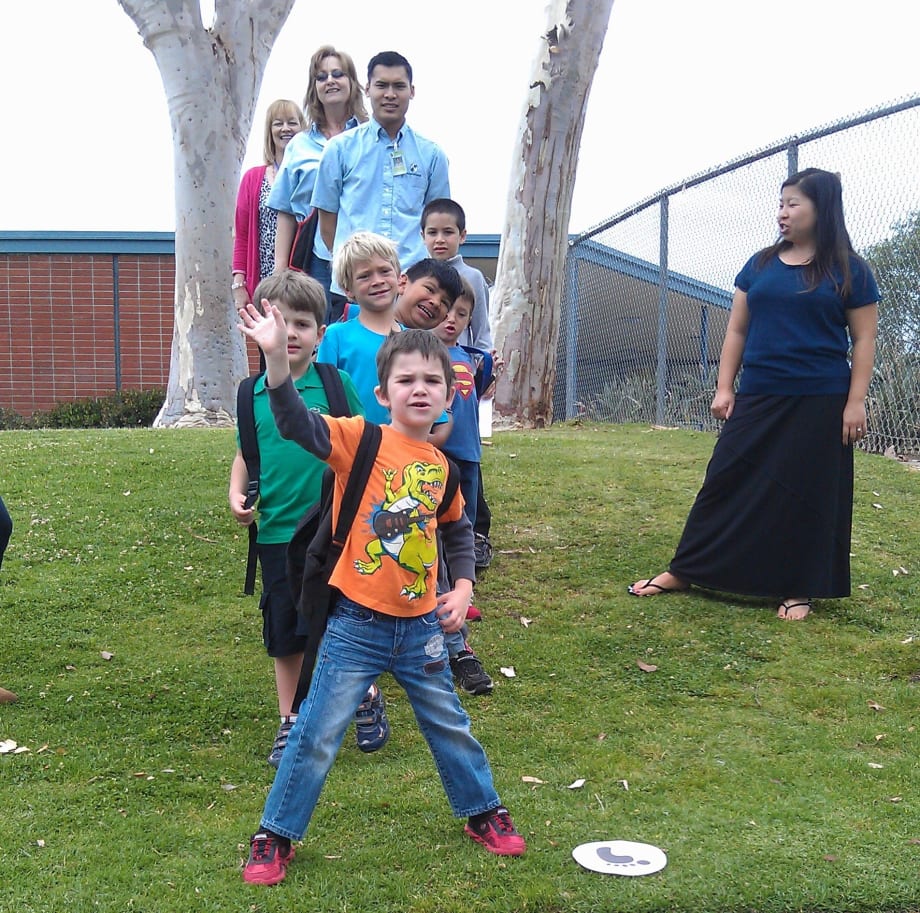
Newport-Mesa Unified School District has started teaching special-needs students transportation safety fundamentals, such as staying out of the danger zone, as shown here. The program, called “Bus in the Classroom,” will debut at the NASDPTS conference in November.
Fortunately, the era of referring to “the short bus” or “the special-ed bus” is finally fading.
The pupil transportation profession has made major strides in complying with the intent of the Individuals with Disabilities Act. Students are now more frequently receiving bus service in the least restrictive environment. Many transportation administrators now try to provide service for all students on the same bus where possible and appropriate.These trends are important steps in helping students with special needs achieve independence, a safer school career and a more productive post K-12 life.
In an attempt to foster independence, some of the more progressive districts have established educational standards for transportation-related skills. This educational model works just like any other academic subject. If a particular student has not demonstrated proficiency to the disability-specific standard, then transportation goals can be written into the student’s individualized education program (IEP). Theoretically, the educational staff can then provide remedial instruction to help the student reach the expected level.
For a transportation-related education plan to be effective for students with special needs, it is necessary to create at least one — and possibly several — transitional bus stops. As the student demonstrates “mastery” of essential skills, the transportation department can relocate bus stops in safe locations farther away from the student’s residence. Eventually, with continued success, it is reasonable to expect that a fair share of students will be able to transition to the neighborhood bus stop and receive bus service with their non-disabled peers.
“IEP teams mistakenly reason that student transportation skills are not something that can or should be taught prior to the age of 16 ... In the interim, the students do without the safety and behavior skills that would make them safer school bus riders.”
All of this makes total sense and, indeed, in theory this should describe a commonplace practice throughout the country. However, as Yogi Berra once famously said, “In theory there is no difference between theory and practice. In practice there is.”
The reality in student transportation today is that very few students with special needs receive bus service other than at the curbside directly in front of their homes. This is the most restrictive service available.

Pete Meslin is director of transportation at Newport-Mesa Unified School District in Costa Mesa, California.
IEP teams mistakenly reason that student transportation skills are not something that can or should be taught prior to the age of 16 (when IDEA requires a transition plan). In fact, many teams recommend that the student learn independent life skills related to transportation in an adult transition program, which usually starts at the age of 18. In the interim, the students do without the safety and behavior skills that would make them safer school bus riders.
Even more troubling is the fact that for many students, it will take years of repetition and practice to fully acquire these skills. By delaying their education, these students are effectively doomed to be less productive and functional adults because they will never fully master these essential skills.
We find ourselves in this position for a variety of reasons. Some will blame special educators, who are either too busy or not knowledgeable enough. Others will argue that these students need to be sheltered and protected, and moving them away from our most restrictive service endangers them. There are many other arguments — all of which might have some merit.
However, it is clear to me that we, as an educational system, have not been fulfilling our obligations to prepare all students for a successful post-secondary life — at least with regard to transportation skills.
We should address this problem by teaching a transportation skills curriculum that:
• is designed for different levels of special education;
• utilizes the knowledge of transportation personnel;
• is taught early and often using the latest educational research on how students learn;
• is taught in the classroom and practiced on the bus;
• enlists the help of special educators by providing them with the materials for follow-up lessons.
At the National Association of State Directors of Pupil Transportation Services conference in Richmond, Virginia, in November, I will debut a new free program called the “Bus in the Classroom” that meets all of these criteria. You’ll be amazed and surprised by the results.
More Special Needs Transportation
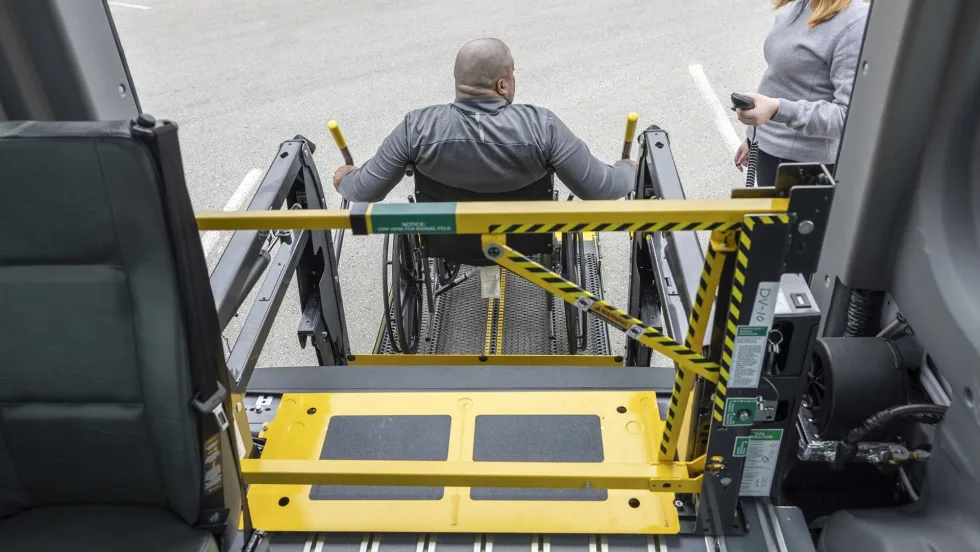
BraunAbility Introduces New Safety Barrier for Wheelchair Lifts
LiftSentinel is designed to add another layer of protection during wheelchair loading and unloading and can be retrofitted to many existing commercial lift installations.
Read More →
HopSkipDrive Launches New Safety, Driver Consistency Features for 2026-27 School Year
The company’s free ride recording, live ride tracking, and consistent driver assignments aim to improve safety and continuity for diverse student transportation needs.
Read More →
The Most Common Wheelchair Securement Mistakes on School Buses (and How to Fix Them)
Small missteps in wheelchair securement can have serious consequences. Here are 32 tips from experts to reduce risk and increase student safety on the bus.
Read More →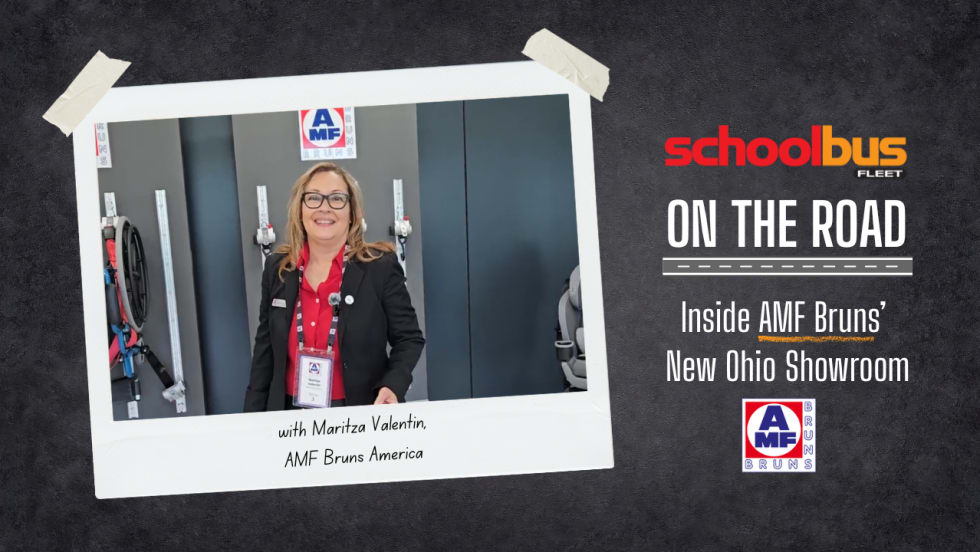
Inside AMF Bruns’ New Showroom: School Bus Securement Solutions Explained
Go inside AMF Bruns America’s new Ohio showroom with Maritza Valentin to see its FutureSafe technology, driver training tools, securement systems, and seating innovations.
Read More →
What AMF Bruns’ New Facility Means for Customers [Video]
Inside AMF Bruns’ new Stow, Ohio, operations: See how expanded space and innovation will enhance customer support and operations.
Read More →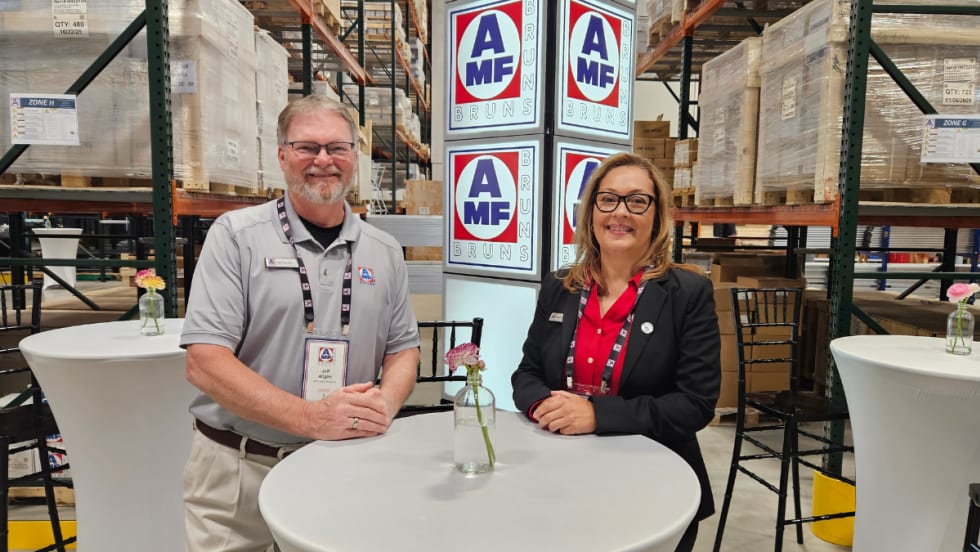
AMF Bruns Expands in Ohio, Investing in Growth and Community
With expanded production space, local investment, and a growing workforce, AMF Bruns is scaling its U.S. presence. Here’s an exclusive first look inside the new Stow, Ohio, HQ.
Read More →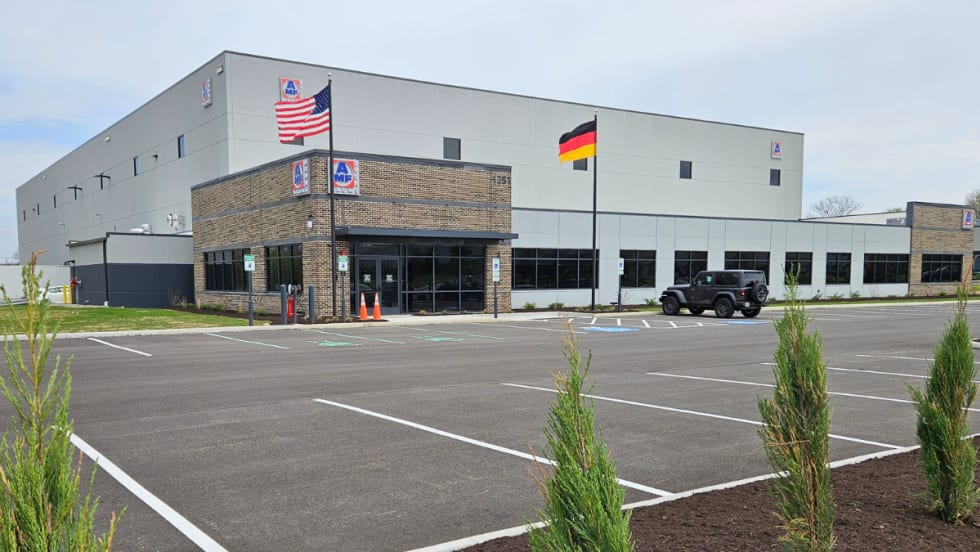
Inside AMF Bruns of America’s New Ohio Manufacturing Facility [Photos]
Take a behind-the-scenes look at AMF Bruns of America’s new 41,000-square-foot Stow, Ohio, headquarters, featuring advanced manufacturing, expanded space, and future-ready mobility solutions.
Read More →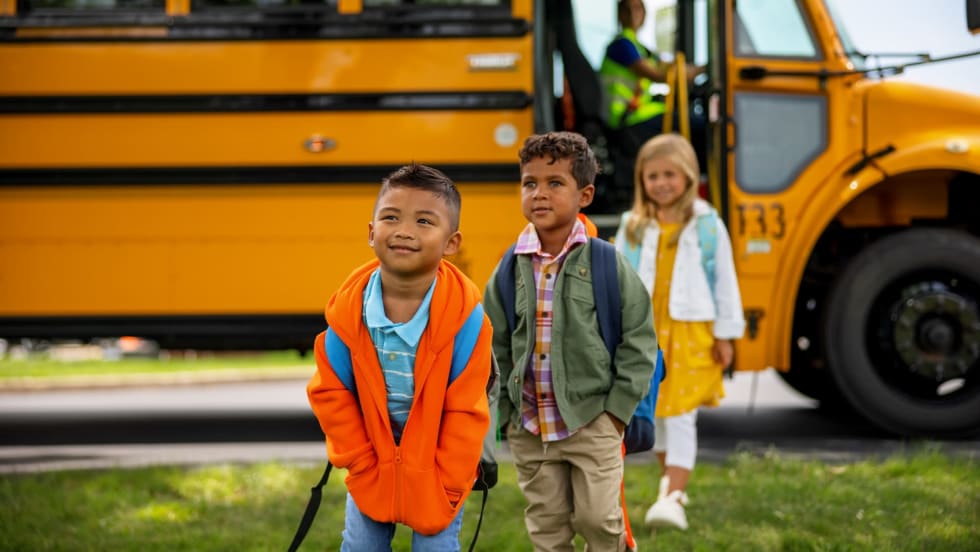
First Student Boosts Student Support in Wichita & Texas
First Student and Wichita Public Schools are using behavioral support strategies to improve student ride experiences, while a separate initiative expands access to after-school programs through a bus donation.
Read More →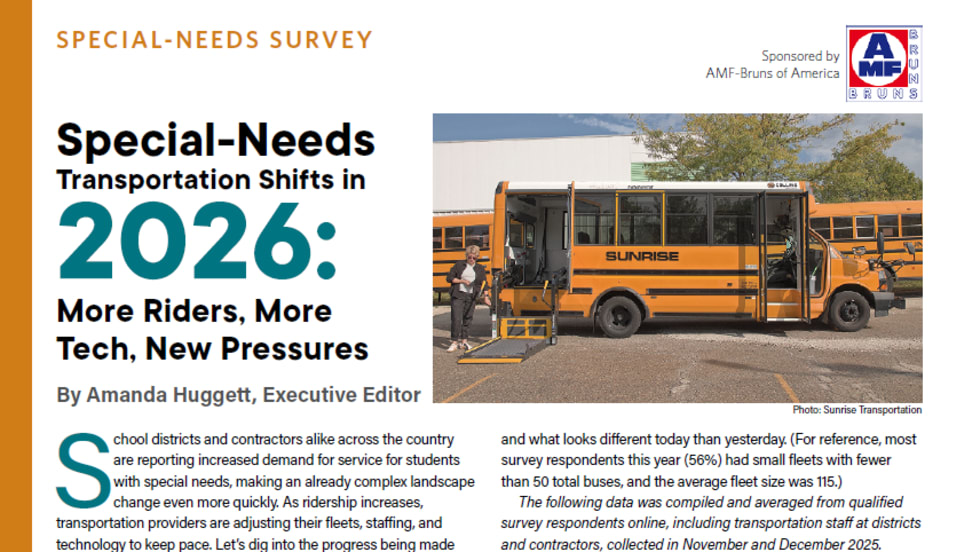
2026 Special-Needs Transportation Survey
What’s changing in special-needs transportation? This year, student transportation operators report a rising need, easing driver shortages, growing tech adoption, and evolving challenges. Sponsored by AMF Bruns of America.
Read More →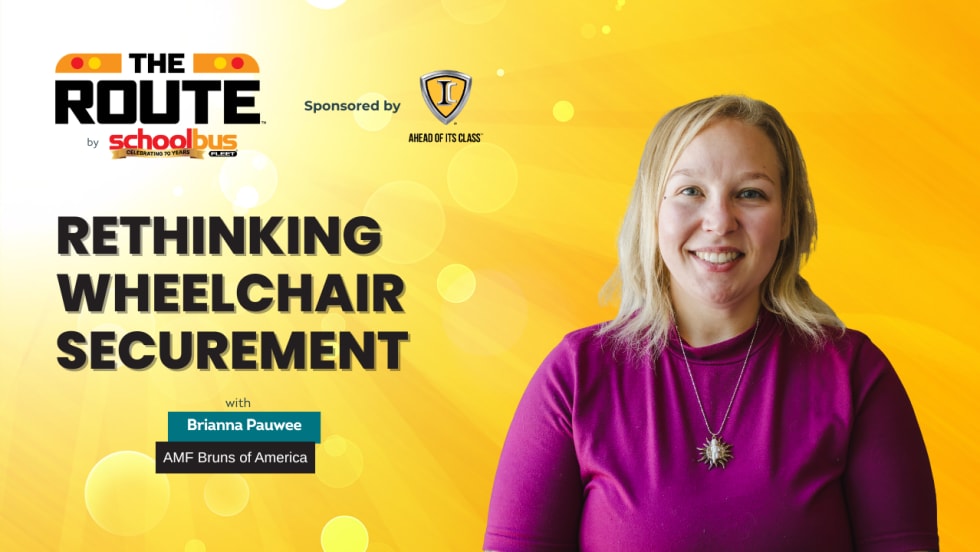
The Lived-Experience Gap in Mobility Tech: An Expert Take on Safe Student Transportation
Brianna Pauwee, a product application specialist at AMF Bruns of America and a wheelchair user, drops in to The Route to share practical securement and training insights, plus the story behind the new “Beyond Mobility” podcast. The Route is sponsored by IC Bus.
Read More →