




Shake-Ups Prompt a Closer Look at Safety
Although we all agree that the motoring public needs to be more cautious, bus drivers can also help mitigate the number of dangerous incidents by following safe and consistent loading and unloading practices.


File photo courtesy School Bus Safety Co.
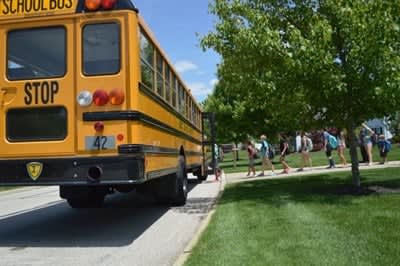
File photo courtesy School Bus Safety Co.
As you may have heard, we here in Southern California were recently shaken up by a couple of earthquakes. Although they were felt across a significant distance, overall damages and injuries were minimal outside of the epicenter, just a little northeast of the town of Ridgecrest.
Still, it was a powerful reminder of the importance of ensuring safe practices and emergency planning are in place at your workplace or operation. (No doubt our California readers conduct and participate in earthquake safety drills with staff and students every year.)
That is not to discount day-to-day safety practices. And one of the most important, as we were reminded recently by the results from the National Association of State Directors of Pupil Transportation Services’ (NASDPTS’) annual survey on stop-arm running incidents, is loading and unloading students.
Nearly 131,000 school bus drivers hailing from 39 states participated in NASDPTS’ ninth annual survey. Talking of shake-ups: those drivers reported that over 95,000 vehicles passed their buses illegally on a single day earlier this year. That number is even greater than last year’s shocking total of more than 83,000 vehicles running stop arms.
The association said that these survey results indicate that significantly more than 17 million violations occur over the course of a 180-day school year, since not all school bus drivers participated in the survey.
Although we all agree that the motoring public needs to be more cautious — always slowing down when the bus’s yellow lights flash and stopping when the red warning lights and stop arm are deployed — bus drivers can also help mitigate the number of dangerous incidents by following
safe and consistent loading and unloading practices.
California driver instructor Sabine Konrad reminds readers in our story on the state’s loading and unloading practices to stay focused during the entire process, use precise timing with the lights and the entrance door, and check the danger zone for students multiple times. She also details the practice of escorting students as they cross roadways, which is done exclusively in California.
And this escorting process gets a thumbs-up from Ted Finlayson-Schueler, president of Safety Rules in Syracuse, N.Y., and pupil transportation safety consultant and expert witness. He notes that the state’s crossing system “has been successful for decades.” (More to his point, in our story on safe loading and unloading practices, Anna Borges, California’s state director of pupil transportation, confirmed to us that the state hasn’t had a documented death since the crossing requirement was established in the 1950s.)
Finlayson-Schueler also mentions that the commercial driver’s license (CDL) manual in nearly every state includes a crossing procedure that drivers and students can use to avoid accidents.
“I have only seen one deposition of a driver in a court case who understands this procedure, and I have never had a case that would not have been avoided by using the procedure properly,” he said.
We hope that these stories, which can also be found in our upcoming September issue, help you bolster your operation with valuable safety refreshers and avoid any shake-ups as we work our way into the new school year.
More Safety
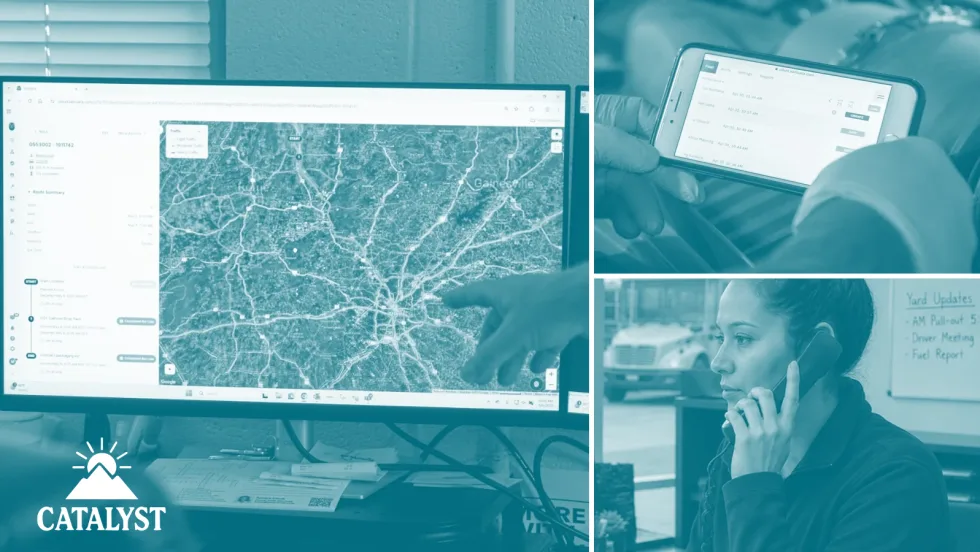
From Reactive to Proactive: Making Every Ride Visible
Smart technology only delivers its full value when it works together. See how Catalyst connects proven industry platforms to move student transportation from reactive to proactive.
Read More →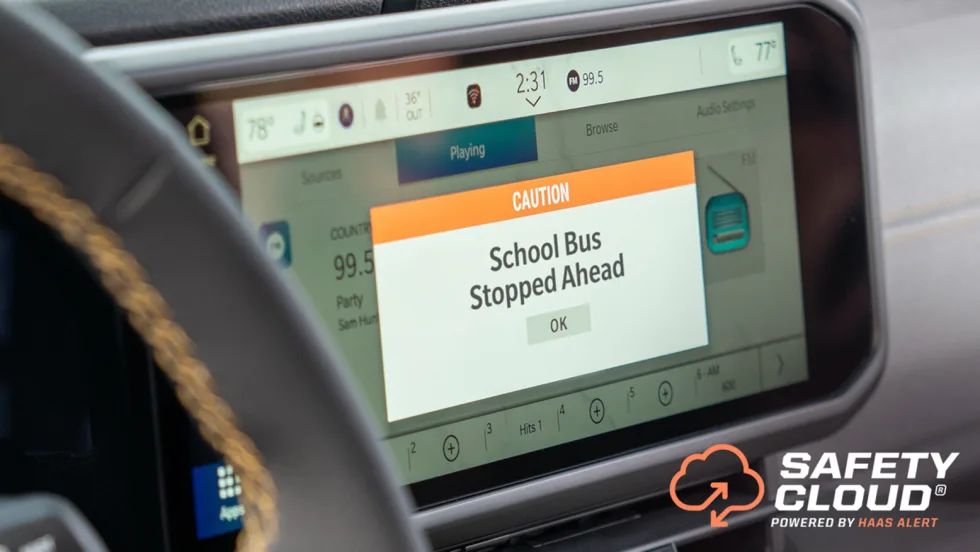
HAAS Alert’s Safety Cloud Warns Motorists of Stopped School Buses
Through a transponder or Samsara connection, the product lets school bus fleets send advance warnings to approaching drivers through in-vehicle alerts.
Read More →
HopSkipDrive Reports Progress on Safety Advisory Council
More than a year after forming the council, independent safety experts have helped shape new rider-safety features and policy progress, with a new goal to address rider behavior.
Read More →
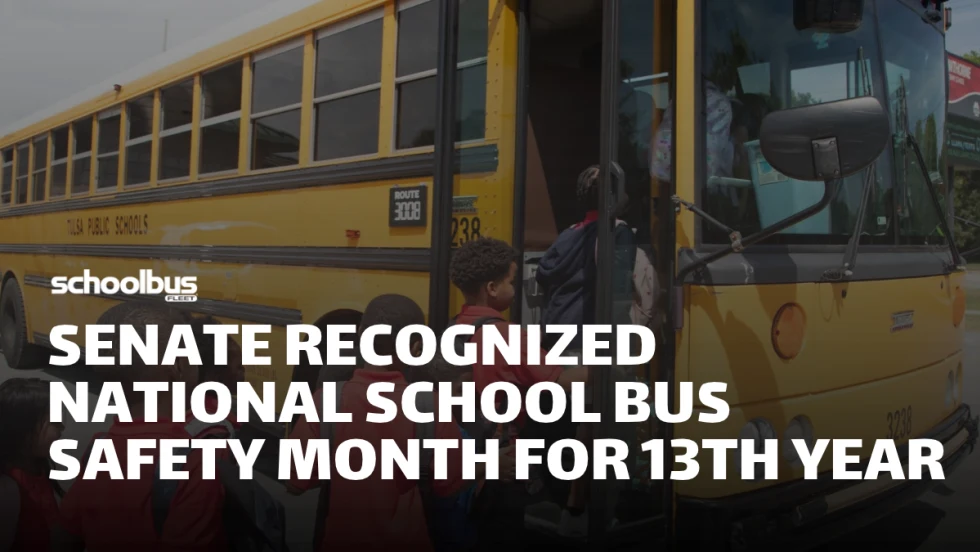
What the 2026 National School Bus Safety Month Resolution Means for Student Transportation
The bipartisan resolution highlights illegal school bus passing, student safety during loading and unloading, and the need for driver training and public education.
Read More →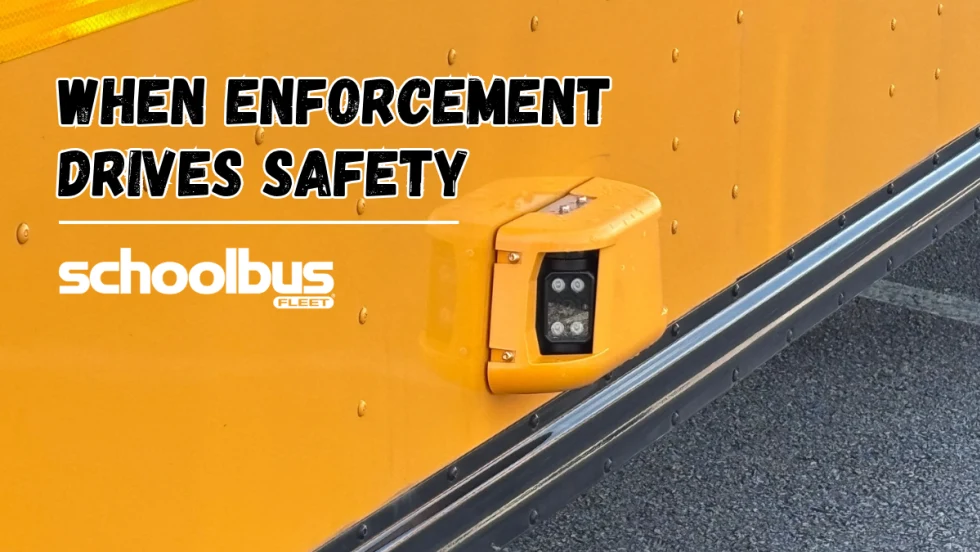
School Bus Stop-Arm Violations Decline 53% Across Verra Mobility Programs
Verra Mobility shares how school bus stop-arm cameras and school zone safety programs are changing driver behavior, reducing violations, and protecting students.
Read More →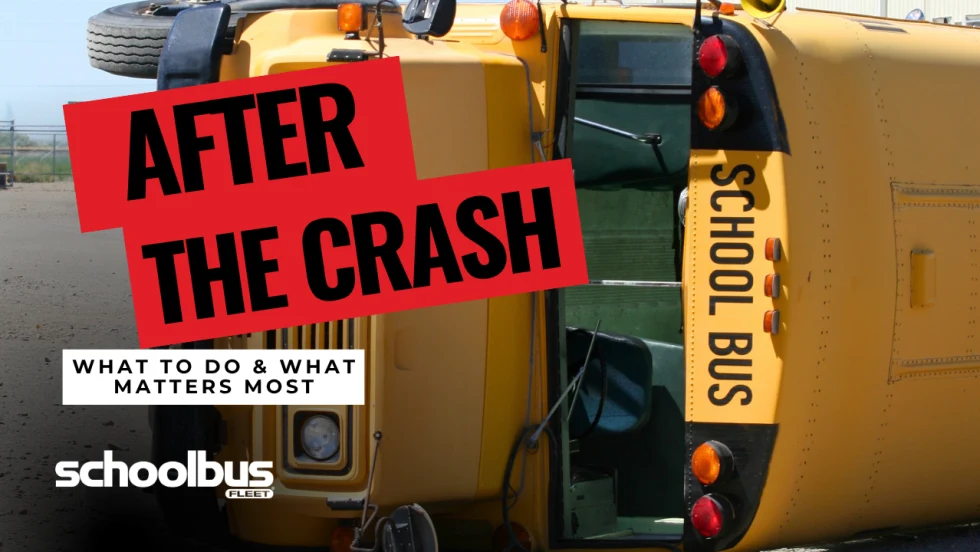
Most Bus Crashes Aren’t Your Fault. Here’s How to Prove It.
A guide for what to do in between a school bus crash and a claim: what to preserve, who to notify, and how to keep the facts available when they matter.
Read More →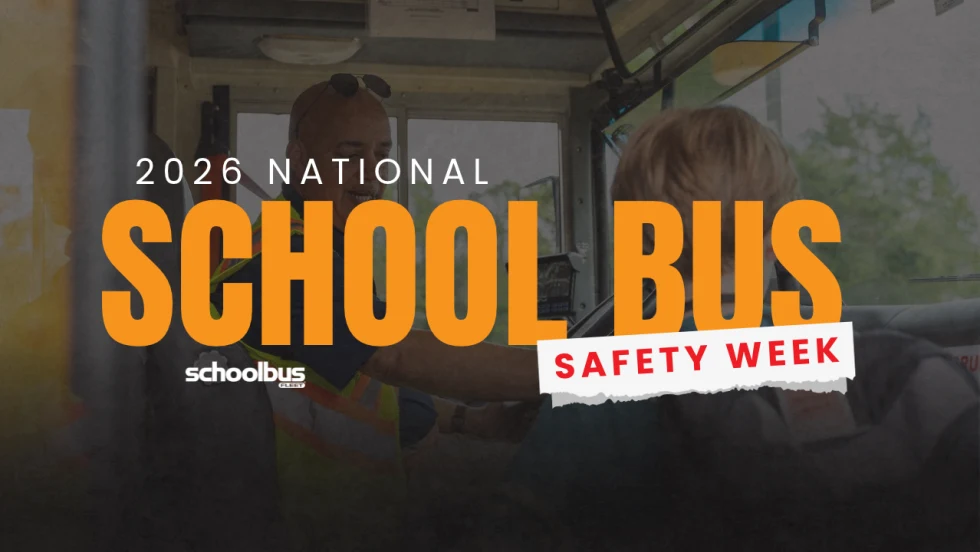
National School Bus Safety Week 2026: Tips, Toolkits & Resources to Keep Students Safe
School bus safety takes more than awareness. Explore expert tips, enforcement strategies, and free resources to help protect students on every ride.
Read More →
2 Killed, Dozens Injured in Florida School Bus Crash
A multi-vehicle collision caused a Polk County school bus carrying 37 students to overturn on its way to Winter Haven High School.
Read More →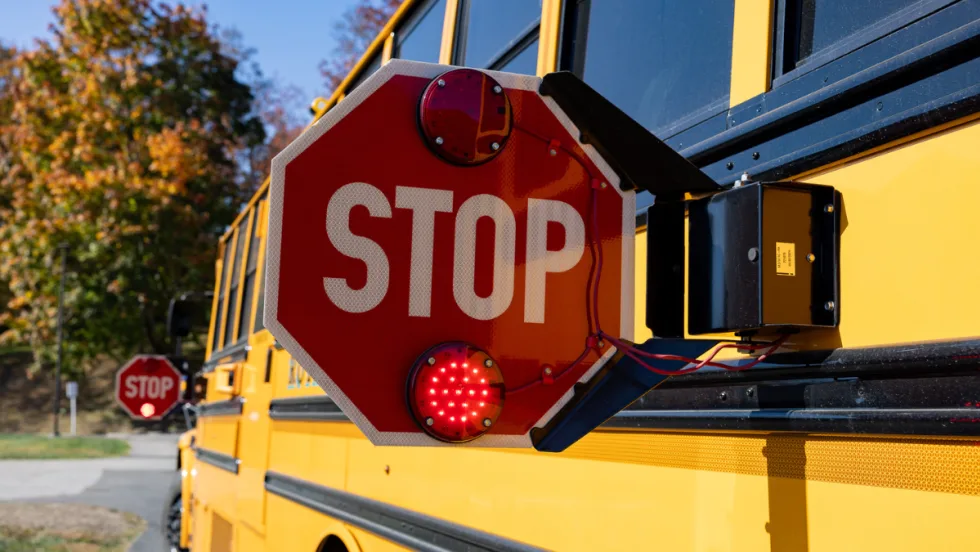
Illegal School Bus Passing Drops 24% in New York Districts
With fewer than 5% of citations involving repeat offenders, Westchester County officials said enforcement, education, and community partnerships are helping change driver behavior.
Read More →
School's Back. Here's What Happened to Traffic, Speeding & Distraction
What happens to traffic when school resumes? New data analysis examines changes in distracted driving, congestion, and speeding around schools.
Read More →