




Security gets a boost
The recent terrorist bombings in London underscore the need for transportation providers to focus on security. School bus operators are no exception. ...
The recent terrorist bombings in London underscore the need for transportation providers to focus on security. School bus operators are no exception. A terrorist attack on a school bus may seem unlikely, but the risks are higher now than ever.
At last year's National Association for Pupil Transportation (NAPT) conference in Cincinnati, the organizers blew up a school bus to illustrate the horrific possibility of a terrorist attack. It was a gut-wrenching scene and will never be forgotten by those in attendance.
As the 2005-06 school year gets underway, the school bus community needs to challenge itself to prepare for the unthinkable. Fortunately, we've got tools that didn't exist last year at this time.
School Bus Watch unveiled
You might already know that the federally funded Highway Watch Program developed for the U.S. trucking industry has been adapted for the school transportation community in a program called School Bus Watch. We have three associations to thank for this effort — the NAPT, the National Association of State Directors of Pupil Transportation Services and the National School Transportation Association.
School Bus Watch focuses on helping our school bus drivers recognize and report potential safety and security threats. It will provide them a history of terrorism worldwide, an outline of how a terrorist attack is carried out and tips on how to identify terrorist threats to themselves or others.
School Bus Watch will be passed along to the nation's school bus drivers through a train-the-trainer program. All training materials, handouts and other resources will be provided at no cost. For more information about the program, visit www.schoolbusinfo.org.
In addition to School Bus Watch, another new program has been developed to help school bus operators prepare for possible terrorist attacks. It's called the NAPT School Bus Security Assessment Program, and it's designed to help school districts and contractors conduct a security assessment of their own operations.
A similar risk assessment program has been conducted by the Federal Transit Administration for large transit systems around the country. It has helped these systems identify key vulnerabilities and weaknesses to possible attacks.
The NAPT program is designed along the same lines. It's a four-hour seminar that assesses the security of the transportation facility, buses, operational procedures, staff and communication systems. It also discusses the critical nature of teamwork and communication with emergency responders.
Take no chances
This is the time to prepare for the small but very real possibility of a school bus bombing, hijacking or other disturbance. Make sure you take advantage of the School Bus Watch training program and the NAPT's School Bus Security Assessment Program.
Also, try to get to Austin for the NAPT's annual meeting in November. Not only will you learn more about school bus security, you'll also be exposed to countless other opportunities to improve the safety and efficiency of your program. For more information about the NAPT and its meeting in Austin from Oct. 29 to Nov. 3, visit www.napt.org or call (800) 989-NAPT.
The school bus industry should be commended for taking steps to prepare for the worst. Although we can't control every circumstance that comes our way, we must try our best to minimize the chance of a catastrophe. That's the unfortunate truth of the world today.
I hope to see many of you in Austin.
More Safety

HopSkipDrive Reports Progress on Safety Advisory Council
More than a year after forming the council, independent safety experts have helped shape new rider-safety features and policy progress, with a new goal to address rider behavior.
Read More →
What the 2026 National School Bus Safety Month Resolution Means for Student Transportation
The bipartisan resolution highlights illegal school bus passing, student safety during loading and unloading, and the need for driver training and public education.
Read More →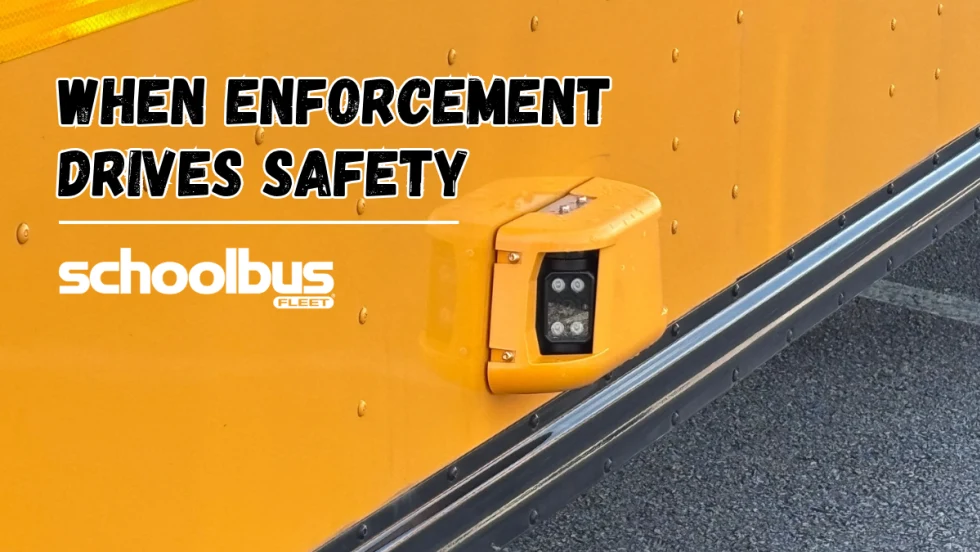
School Bus Stop-Arm Violations Decline 53% Across Verra Mobility Programs
Verra Mobility shares how school bus stop-arm cameras and school zone safety programs are changing driver behavior, reducing violations, and protecting students.
Read More →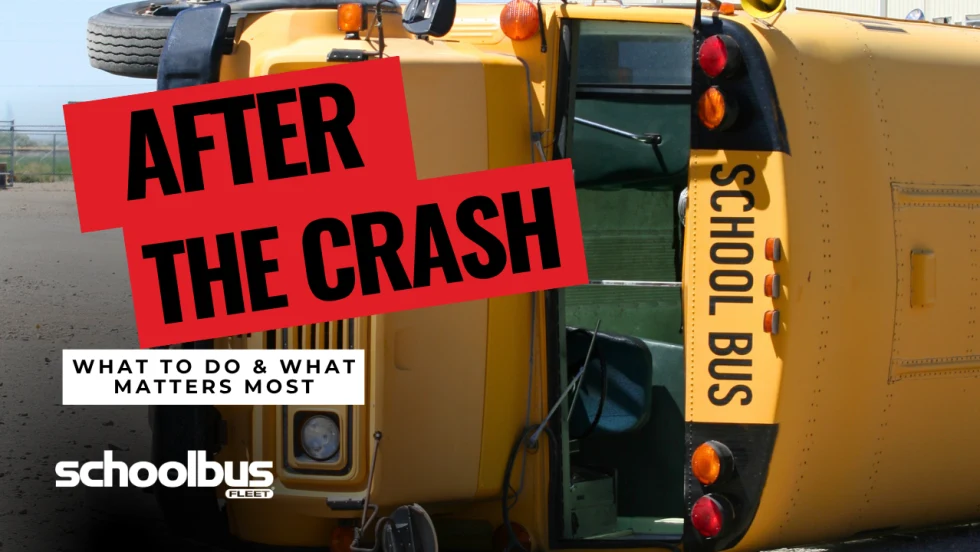
Most Bus Crashes Aren’t Your Fault. Here’s How to Prove It.
A guide for what to do in between a school bus crash and a claim: what to preserve, who to notify, and how to keep the facts available when they matter.
Read More →
National School Bus Safety Week 2026: Tips, Toolkits & Resources to Keep Students Safe
School bus safety takes more than awareness. Explore expert tips, enforcement strategies, and free resources to help protect students on every ride.
Read More →
2 Killed, Dozens Injured in Florida School Bus Crash
A multi-vehicle collision caused a Polk County school bus carrying 37 students to overturn on its way to Winter Haven High School.
Read More →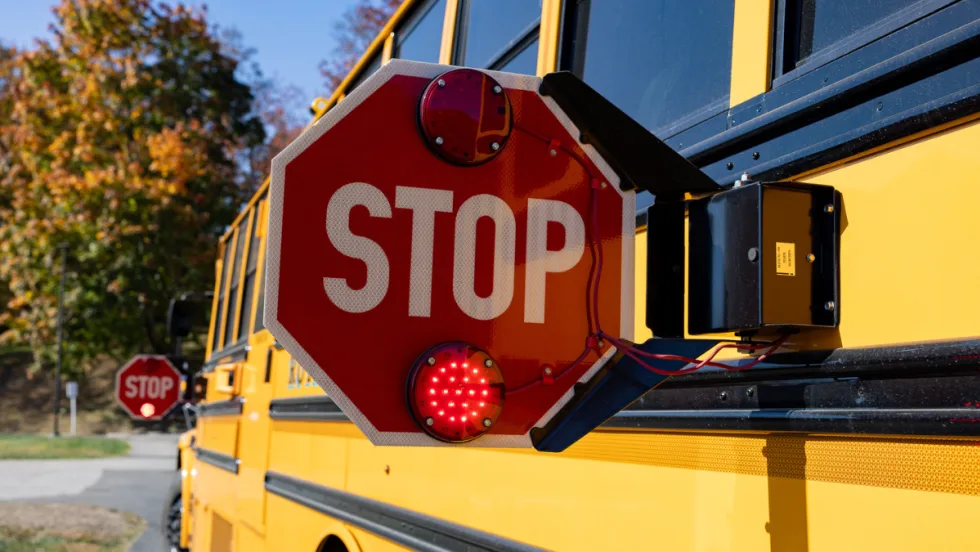
Illegal School Bus Passing Drops 24% in New York Districts
With fewer than 5% of citations involving repeat offenders, Westchester County officials said enforcement, education, and community partnerships are helping change driver behavior.
Read More →
School's Back. Here's What Happened to Traffic, Speeding & Distraction
What happens to traffic when school resumes? New data analysis examines changes in distracted driving, congestion, and speeding around schools.
Read More →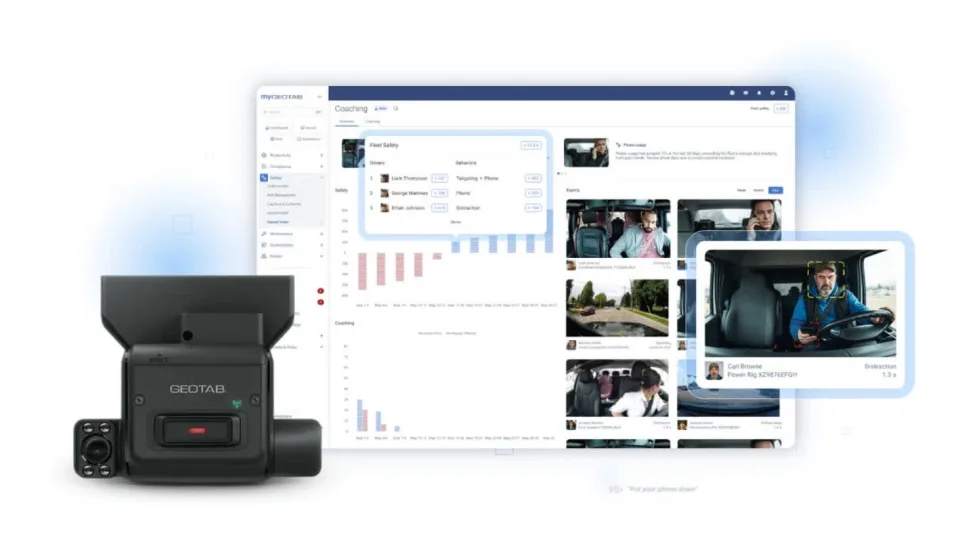
Geotab Expands Fleet Safety Tools With Video Coaching, Risk Insights
New safety and video capabilities aim to help fleet managers assess risk, support drivers, and take targeted action through video coaching, red-light violation detection, and more.
Read More →
How to Build a Better School Bus Driver Training Program
Is it time to strengthen your driver training? Here’s how to pick the right talent and improve recruitment, retention, and safety. This video is brought to you by IC Bus.
Read More →