




School bus drivers: Is trust enough?
The message should be framed not as “this monitoring device is here to make sure you don’t break the rules” but as “this device is here to protect you as well as the students.”
Do you trust your school bus drivers to make the right decisions?
That question came to mind recently when I read about a new antenna device that can be installed in commercial vehicles to identify cell phone wave frequencies in the driver area. If the device detects a phone call or texting, it gives the driver a verbal warning and alerts a manager.
One way to react to this new technology is to be discouraged — discouraged that there is a need for this type of device, that some professional drivers would disregard the safety of others and themselves just to take a phone call or text at the wheel.
Indeed, there seems to be a growing market for technology that monitors drivers in various ways — from recording video of their actions at the wheel to detecting speeding, hard braking, idling, etc.
This brings us back to the question: Do you trust your school bus drivers to make the right decisions? Or maybe a better question would be: Does technology make trust irrelevant when it comes to driver behavior?
High stakes
In my opinion, these cell phone detection and other driver-monitoring technologies are worthy investments for school bus operations for one simple reason: precious cargo.
With dozens of children on board, the stakes are just too high to solely rely on trust that all school bus drivers will do the right thing all of the time.
Now, that’s not to say that trust is an outdated notion. Hiring trustworthy people to drive our yellow buses is as important as ever — people who have good references and clean backgrounds, people who can be depended on to report to work every day and who show a genuine interest in providing students a safe ride to and from school.
But in these days, the temptations for distraction are powerful. It could be so easy and harmless, one might think in the moment, to just pull out the cell phone and check a text or make a quick call.
But as we’re constantly reminded by distracted driving data from the U.S. Department of Transportation and other safety-related agencies and organizations, a moment of taking one’s eyes off of the road could have fatal consequences.
Helpful technology
In a way, a device that detects cell phone use actually supports the driver — by thwarting that temptation to use the phone and setting clear expectations for focused driving.
Another argument for driver-monitoring technologies is that they can help in vindicating drivers who are falsely accused. Surveillance camera footage, for example, could show that a school bus driver didn’t do what a student claimed he or she did.
With these monitoring technologies, the message to drivers should be framed not as “this device is here to make sure you don’t break the rules” but as “this device is here to protect you as well as the students.”
Technology can’t make people do the right thing, but it can serve as a backup to trust.
More Management
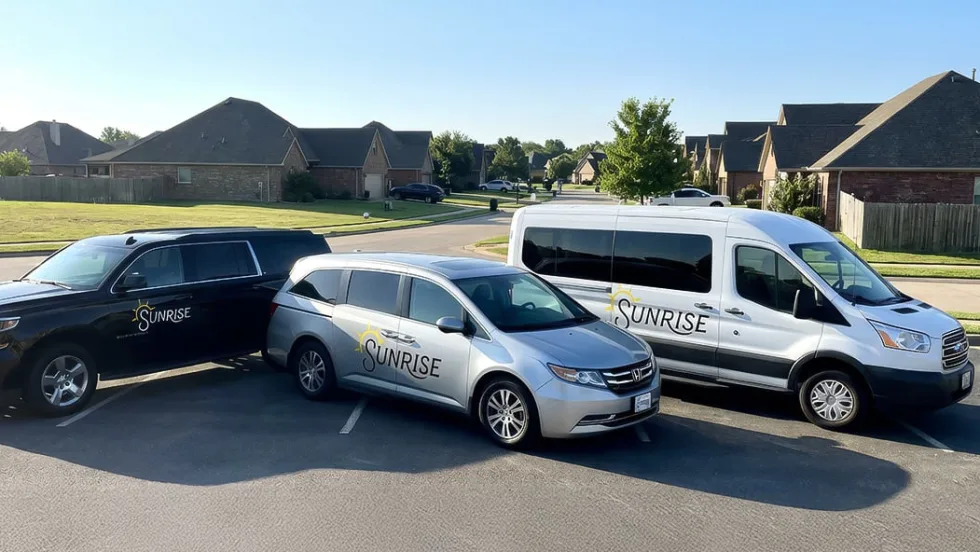
STA Acquires Sunrise Transportation
Student Transportation of America expands in Illinois and Connecticut through Sunrise's fleet of nearly 1,000 vehicles.
Read More →
EPA Opens $180M DERA Funding Round for Diesel Upgrades
The 2026 Diesel Emissions Reduction Act program seeks applications from eligible organizations to accelerate the retirement of legacy diesel vehicles.
Read More →
HopSkipDrive’s CareEngine Targets the ‘Exceptions’ in Student Transportation
The new platform works alongside districts’ existing transportation management systems to coordinate specialized rides, automate last-minute changes, and turn ride data into operational improvements.
Read More →


The Right Ride for Every Student: Navigating the New Student Transportation Ecosystem
How should districts blend school buses with small-vehicle transportation and other options? EverDriven CEO Mitch Bowling discusses safety, costs, partnerships, and strategy.
Read More →
Annette Brown Always Takes the Extra Time: Meet Our 2026 School Bus Driver Hero
For more than 30 years, the Wa-Nee Community Schools driver has treated students like family, combining safety, compassion, and servant leadership to make a lasting difference on and beyond the school bus.
Read More →
How to Build a Better Driver Training Program
Ready to boost up your school bus instructor training? Here’s how to pick the right talent and improve recruitment, retention, and safety.
Read More →
CALSTART and Forth Combine to Form Catalyst Mobility
The new name represents a renewed vision for the nonprofit focused on advancing clean, equitable, and affordable transportation solutions that move people and goods.
Read More →
What Makes a Great School Bus Driver Trainer?
Choosing the right school bus driver trainer takes more than experience. Learn six keys to selecting and developing trainers and evaluating program effectiveness.
Read More →
School Bus Contractors Expand Through New Deals, Acquisitions & Partnerships
STA's Canadian division acquires Ontario-based G&L Stevenson Transport; Durham School Services adds a new district in California; First Student expands in New Jersey; and Minnesota Coaches rebrands and acquires Halo Transportation.
Read More →
Logan Bus Company Rolls Out AI Phone System for NYC School Bus Families
A summer pilot found that AI agents could handle most routine calls, freeing up time for customer service staff to focus on emergencies and complex family concerns.
Read More →