




Safety and the economy
Compromising safety because of cost is a shortsighted decision. It is important to remember that the value of a human life does not change in a recession.
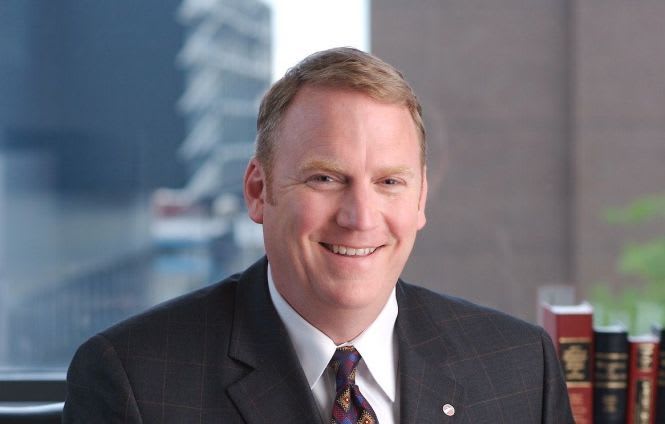
Mike Murray is president and CEO of FirstGroup America.
Open any newspaper and the lead story is likely to be about the recession and its effects on corporate America and, more importantly, those who've lost their jobs.
As revenues diminish in a down economy over a sustained period of time, busing companies are often forced to make dramatic cuts in their budgets. Companies might be forced to consider reductions in training, extension of maintenance intervals and the delay of equipment replacement and repairs.
These might appear to save dollars in the near term, but they always must be considered in light of how they negatively impact safety and may imply serious and longterm ramifications. Compromising safety because of cost is a shortsighted decision. It is important to remember that the value of a human life does not change in a recession.
At FirstGroup America (FGA), safety is our core value. With more than 4.5 million passengers each day and 96,000 employees, we believe it is a necessary investment into our company's long-term operation and an integral part of customer satisfaction. Our customers respect and appreciate quality, safe and reliable transportation for their students, and it is our duty to ensure we provide this each and every day.
Each employee's responsibility
A successful organization must have a sincere focus on safety from the top down. It takes a commitment from each individual — from board members and managers to drivers and mechanics — to ensure safe operation. Each employee must be accountable in everything that he or she does to ensure safety of our passengers. Our mantra is, "If you cannot do it safely, don't do it," and we empower employees to make decisions based on this.
Managers know that they are accountable for safe operations and injury prevention, which encourages ongoing communication and empowerment. In addition to clear and consistent policies and procedures in place across all divisions, our managers and employees understand what is expected and what can occur if safe practices are not followed.
No one wants an injury or accident, and when we each take it upon ourselves to make a difference, the entire company benefits.
Understanding one's drivers, fleet
Safe operations influence every aspect of a transportation business and impact its long-term viability. Using the best tools and resources in the industry, each FGA employee is subject to robust background checks that cover criminal, work and driving histories. More than 50 hours of classroom and behind-the-wheel training are required prior to transporting any students to ensure a thorough understanding of safe driving practices. Ongoing training and education is crucial to our drivers' abilities to perform well under a variety of conditions.
[PAGEBREAK]
In addition to training, technological advancements have helped us protect drivers and passengers and improve vehicle operation. Our First Student buses are equipped with an electronic and satellite-based tracking system that provides the location and speed of our fleet vehicles at any given time. In the event of an emergency, we can pinpoint the exact location of our school bus and immediately notify schools and parents. Electronic monitoring on pre-trip inspections alerts us to any maintenance issues or repairs, and allows drivers to inspect buses more efficiently by eliminating some of the paperwork.
Continuous improvement is crucial
Our goal is zero injuries and zero collisions. We track safety progress daily, weekly and monthly. It is important for each of us to know where we stand as a company and what needs to be done to improve.
Continuous improvement is crucial for our business. We use every situation as a learning tool to improve our processes and training procedures, as well as an opportunity for injury prevention. We foster an environment of active caring that provides opportunities for employees at all levels to share safety challenges and best practices in an open-door environment. By engaging all of our employees, we are able to see things from different perspectives and increase our ability to prevent injury.
I firmly believe that organizations that actively engage with their employees to create a world-class safety culture deliver a competitive edge to their customers.
Safety is the core of our business and something we take very seriously. Each student that steps foot on our bus is precious cargo, and we will do everything in our power to ensure his or her safety.
This isn't something on which a leader can put a value. It doesn't require a business case to put into practice. Safety is essential and the very foundation of our business, no matter what the state of the economy.
Mike Murray has more than 22 years of experience in the transportation business, including nine with First-Group America. In his current role, Murray oversees the $4.8-billion transportation company and its nearly 100,000 employees across North America.
More Safety

How to Build a Better School Bus Driver Training Program
Is it time to strengthen your driver training? Here’s how to pick the right talent and improve recruitment, retention, and safety. This video is brought to you by IC Bus.
Read More →
Recent School Bus Accidents Leave 2 Dead, 2 Injured
Four school bus crashes in Florida, Illinois, and Georgia highlight risks in transportation lots, at bus stops, and during student loading and unloading.
Read More →
When Every Second Matters, Clarity Keeps Routes Moving
From routine delays to urgent incidents, strong communication practices help drivers, dispatchers, schools, and families respond with confidence.
Read More →

What Happens When a School Bus Catches Fire — and What Can Help
School bus fires are rare but can be devastating. Learn how advances in fire suppression and asset protection help fleets detect fires earlier, reduce damage, and improve safety.
Read More →
Geotab Launches Tool to Help Fleets Investigate Road Incidents
Geotab Investigations combines telematics data, video, documents, and other evidence to help fleets reconstruct incidents, resolve claims, and determine what happened.
Read More →
Texas Sixth Grader Wins 2026 National School Bus Safety Poster Contest
Sai Darshana Yekolu of Moseley Middle School in Prosper, Texas, was named the newest winner for her artwork, bringing the theme of “Safe Rides, Everyday Heroes” to life.
Read More →
Doing More With Less: How Transportation Directors Can Prioritize Safety Amid Budget Uncertainty
With diesel prices soaring and nearly one-third of transportation directors expecting budget cuts, maintaining student safety has never been more challenging. Download this guide to learn how leading districts are prioritizing risk, funding critical safety technology, and building stronger budget cases with data.
Read More →
Walton County Schools Adds Gatekeeper Stop-Arm Enforcement System
The Florida district will deploy Gatekeeper’s updated Student Protector technology, which now incorporates AI to improve video evidence.
Read More →
How To Build a More Secure School Bus Yard During and After Hours
As thefts and overnight security threats continue, school transportation leaders are combining stronger operational practices with AI-enabled surveillance to better protect buses, facilities, and staff.
Read More →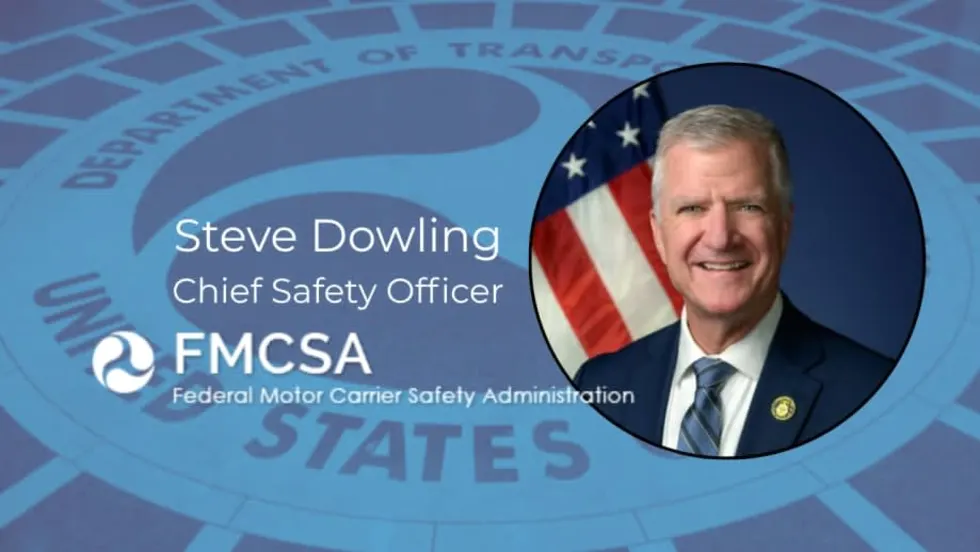
FMCSA Names New Chief Safety Officer: What School Bus Operators Should Know
Steve Dowling is set to lead the federal agency's efforts to advance commercial motor vehicle safety and reduce crashes, fatalities, and injuries on the nation's roadways.
Read More →